Toddler Booster Seats: What to Check Before You Buy
| May 26, 2026
A toddler booster seat can make family meals easier, but only if it fits your chair, your child, and the way your family actually eats. The best booster isn’t the fanciest one. It is the one that stays secure, wipes clean, and helps your child sit comfortably without turning dinner into a wrestling match.
Booster seats also hit that awkward stage between high chair and regular chair. Your child wants independence, but they still need support, height, and a safe place to sit. Here’s how to compare booster seats without buying the wrong style for your table.
What matters most in a toddler booster seat
Start with chair compatibility. A booster seat needs to attach securely to the dining chair you plan to use, not the perfect chair in a product photo. Check the required chair dimensions, strap style, and whether the booster is approved for the chair shape you have at home.
Next, look at restraint options. Younger toddlers usually need a secure harness and clear instructions. Older toddlers may do well with a simpler seat, but they still need a stable base and supervision during meals.
Height is another big one. The booster should bring your child close enough to the table to eat comfortably without forcing them to hunch, reach, or sit on their knees. If the seat is too low, it doesn’t solve the problem. If it is too high, it can feel awkward and unsafe.
For current options, compare toddler booster seats on Amazon and read the chair-fit notes before getting pulled in by cute colors.
Safety and everyday use considerations
A booster seat should be used only on a stable adult chair that matches the manufacturer’s instructions. Avoid folding chairs, lightweight chairs, chairs with loose cushions, or anything that rocks when pushed from the side.
Check straps often. Food crumbs, sticky fingers, and daily movement can loosen things over time. If the seat starts shifting during meals, stop using it until it is tightened and correctly positioned.
Portability is useful, but travel boosters still need a safe chair and proper setup. A booster that works at home might not fit a restaurant chair well. That’s frustrating, but forcing a bad fit isn’t worth the risk.
Features worth comparing before you buy
- Chair straps: Look for secure bottom and back straps that are easy to tighten.
- Harness style: Younger toddlers may need a three-point restraint with simple buckles.
- Seat height: Match the booster height to your table and dining chair.
- Cleaning: Smooth plastic is easier to wipe than fabric seams full of crumbs.
- Tray option: Some boosters include trays, which can help during the transition from high chair to table.
- Portability: Foldable seats are handy for travel, but only if they stay sturdy in real use.
If you’ve already got bibs, suction plates, or a splash mat, choose a booster that works with that meal setup instead of fighting it. Feeding gear should make cleanup easier, not add five new parts to scrub.
When a booster seat makes sense
A booster seat makes sense when your child has outgrown the high chair stage but still cannot sit comfortably at the table in a regular chair. It can also help in small kitchens where a full high chair takes up too much floor space.
It makes less sense if your child is not ready to sit safely with support, if your dining chairs aren’t compatible, or if meals are still easier in a high chair. There’s no prize for rushing the transition.

A simple buying checklist
Before buying, measure your dining chair, check the booster’s strap requirements, and think through cleaning. Will food collect in seams? Can the seat be wiped quickly after breakfast? Does the harness adjust without a fight?
The right booster should disappear into the routine. If it makes every meal harder to set up, clean, or supervise, it’s probably the wrong one.
Recommended baby supplies
As an Amazon Associate, Baby Supply World earns from qualifying purchases.

Keeps diapers, wipes, bottles, and small essentials separated so parents can find them fast.
View on Amazon
Useful on changing tables, in diaper stations, and anywhere wipes dry out too quickly.
View on Amazon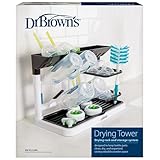
Helps bottles, pump parts, nipples, and small feeding pieces dry without taking over the counter.
View on AmazonFAQ
When can a toddler use a booster seat at the table?
Many toddlers use boosters during the transition from high chair to dining chair, but readiness depends on the child, the seat, and the manufacturer’s age and weight guidance.
Are booster seats safe on any dining chair?
No. Booster seats should only be used on chairs that match the product instructions. Avoid unstable, folding, cushioned, or unusually shaped chairs unless the manufacturer clearly allows them.
Do I need a booster seat with a tray?
Not always. A tray can help younger toddlers or messy eaters, while older toddlers may prefer sitting directly at the table. Choose based on your child’s stage and cleanup needs.
What is easiest to clean: fabric or plastic booster seats?
Smooth plastic is usually easier for daily wipe-downs. Fabric padding can be comfortable, but it may hold crumbs and stains unless it removes easily for washing.
Safety note: This article is general shopping education. Always follow manufacturer age guidance, weight limits, chair compatibility rules, safety instructions, recall notices, and your pediatrician’s advice.
Disclosure: This post contains Amazon affiliate links. As an Amazon Associate, Baby Supply World may earn from qualifying purchases.