Portable Blackout Curtains and Baby Travel Sleep Supplies: What Parents Should Compare
| August 20, 2026
Travel sleep is where perfectly reasonable packing lists go to die. A room that looks fine at noon can turn into a bright, noisy problem at bedtime, especially if your baby is used to a dark nursery and a steady routine.
Portable blackout curtains, travel crib sheets, sleep sacks, and small white noise machines can help, but they are not magic. The best kit is compact, safe, easy to set up in an unfamiliar room, and boring enough that you can repeat the same routine every night of the trip.
What matters most
Start with the sleep problem you are trying to solve. Some families need darkness because naps happen during bright afternoons. Others need a familiar sheet and sleep sack because hotel rooms feel strange. If you are staying with relatives, quick setup and easy storage may matter more than a perfect blackout seal.
- Room fit: Blackout products should work on the kinds of windows you actually see in hotels, rentals, and guest rooms.
- Pack size: Sleep gear should fit in a suitcase or diaper bag without taking over the whole trip.
- Setup speed: Anything used at bedtime should be simple enough to install when everyone is tired.
- Washability: Travel crib sheets and sleep sacks need to handle spills, sweat, and laundry away from home.
- Routine value: Choose items that support familiar sleep cues instead of adding a bunch of new steps.
For a broad starting point, compare portable blackout curtains and baby travel sleep supplies on Amazon. Look closely at window attachment style, folded size, cleaning instructions, age guidance, and whether reviews mention real hotel or rental use.
Safety and everyday use considerations
Safe sleep still comes first. Use a firm, flat sleep surface that follows current safety guidance, keep loose blankets and soft extras out of the sleep space, and follow the travel crib, bassinet, sleep sack, and monitor instructions exactly. Travel accessories should support the routine, not change the sleep environment in risky ways.
With blackout shades, watch for cords, suction cups, clips, or loose fabric within reach. With sound machines, keep volume reasonable and place the unit away from the baby’s ears and sleep surface. If a product has detachable pieces, pack and inspect it carefully before each use.
Features worth comparing
Product photos rarely show the annoying parts: suction cups that pop loose, curtains that do not cover a tall window, sheets that shrink after washing, or sound machines that are hard to control in a dark room. Compare details that affect the actual bedtime routine.
- Blackout attachment: Suction cups, static cling, adhesive strips, and tension designs all behave differently.
- Coverage size: Check actual dimensions, not just “travel size” language.
- Sleep sack warmth: Compare TOG rating or fabric weight against the room temperature you expect.
- Sound controls: Buttons should be easy to use quietly, without a bright screen or loud startup sound.
- Packing pouch: A dedicated pouch keeps clean sleep items away from shoes, snacks, and toiletries.
Related Baby Supply World guides that pair naturally with travel packing include diaper bags with changing pads and stroller clips, portable baby feeding supplies for daycare and travel, and baby wipe dispensers and travel cases.

When this item makes sense
This gear makes the most sense for hotel stays, family visits, vacation rentals, road trips, and daylight-heavy nap situations. It is also useful if your baby sleeps better with familiar cues: the same sleep sack, same sound, same crib sheet feel, and a darker room.
It may not make sense for a quick overnight if your baby sleeps easily anywhere, if the room already has blackout curtains, or if packing space is tight. In that case, bring the safety essentials first and skip the nice-to-have extras.
A practical buying approach
Build the kit in layers. Start with the sleep surface item you already use safely at home, such as a fitted travel crib sheet or sleep sack. Add a compact sound machine if background noise is the main problem. Add portable blackout curtains only if light is regularly ruining naps or early mornings.
Test everything before the trip. Set up the blackout option on a window, wash and dry the sheet, check the sound machine battery or cord, and pack the sleep items together. The goal is not a perfect nursery on the road. The goal is a predictable setup you can repeat without hunting through luggage at 8:30 p.m.
Recommended baby supplies
As an Amazon Associate, Baby Supply World earns from qualifying purchases.

Keeps diapers, wipes, bottles, and small essentials separated so parents can find them fast.
View on Amazon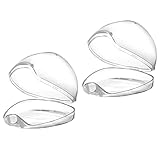
Keeps spare pacifiers cleaner in diaper bags, strollers, cars, and nursery drawers.
View on Amazon
Simple audio monitoring is still useful for naps, travel, and backup nursery setups.
View on AmazonFAQ
Do portable blackout curtains make travel sleep easier?
They can help when a baby is used to a darker room, but they are only one part of the routine. A familiar sleep sack, safe sleep surface, and consistent bedtime steps matter too.
Are suction-cup blackout shades safe around babies?
Use them only as directed, keep loose parts out of reach, and remove or reposition anything a child can grab. Check the window and shade before every sleep period.
Should a white noise machine run all night?
Follow the manufacturer's instructions and keep volume modest. Place the machine away from the sleep space, and avoid setting it louder than needed to mask household or hotel noise.
What should go in a baby travel sleep kit?
Common basics include a fitted travel crib sheet, sleep sack, portable blackout option, small white noise machine, pacifiers if used, and a simple packing pouch for keeping sleep items together.
Disclosure: This post contains Amazon affiliate links. As an Amazon Associate, Baby Supply World may earn from qualifying purchases.
Safety note: This article is general shopping education. Follow manufacturer age guidance, safety instructions, recall notices, and your pediatrician’s advice for your child and home.