Pacifier Clips, Teethers, and Soothing Gear: What Parents Should Compare
| August 11, 2026
Pacifiers, teethers, and small soothing items are easy to underestimate until one disappears under a car seat or lands on a restaurant floor. The right gear will not magically calm every fussy moment, but it can make everyday outings cleaner, quicker, and less chaotic.
The best pacifier clips and teethers are simple, washable, age-appropriate, and designed for supervised use. Skip the overcomplicated bundles. Parents usually need a few dependable pieces that are easy to inspect, easy to clean, and easy to replace when they wear out.
What matters most in soothing gear
Start with how the item will be used. A pacifier clip for a stroller walk has different demands than a teether used at home during active teething. Good soothing gear should reduce dropped items without introducing loose parts, awkward cleaning, or confusing age guidance.
- Supervised-use design: Clips, straps, and attached accessories should be used only when an adult is watching.
- Easy cleaning: Smooth shapes and clear washing instructions matter more than cute details.
- Age guidance: Match the product to your baby’s stage, mouth size, and motor skills.
- Secure attachment: Clips should hold to clothing or stroller fabric without sharp edges or loose pieces.
- Simple storage: A small case keeps clean pacifiers and teethers separate from crumbs and wipes in the diaper bag.
For a broad starting point, compare pacifier clips, teethers, and soothing baby gear on Amazon. Pay close attention to age ranges, material notes, cleaning instructions, and the exact parts included in the set.
Safety and everyday use considerations
Pacifier clips are not sleep products. Remove clips, cords, straps, and attached accessories before naps, bedtime, car-seat sleep, or any unsupervised rest. Do not attach clips to crib rails, blankets, swaddles, sleep sacks, or anything near a sleeping baby.
Inspect teethers often. Toss items that crack, split, smell odd, collect residue, or have damaged seams. Avoid homemade jewelry-style teethers unless you can verify they meet current safety guidance. Small parts, long cords, and loose beads are not worth the risk.
Features worth comparing before you buy
Most soothing products look similar online. The useful differences show up in the details: how the clip opens, whether the teether can be washed quickly, and whether the shape is practical when a baby is actually holding it.
- Material: Compare silicone, fabric, plastic, and mixed-material designs by cleaning needs and durability.
- Clip style: A firm clip is useful, but it should not have sharp teeth or tiny detachable parts.
- Teether texture: Some babies like ridges, while others prefer smoother shapes that are easier to grip.
- Storage case: A case or pouch helps keep clean items clean between home, daycare, and errands.
- Replacement plan: Pacifiers and teethers wear out, so choose items you can replace without hunting down a discontinued set.
Related Baby Supply World guides that pair naturally with this setup include portable baby feeding supplies for daycare and travel, diaper bag backpacks for new parents, and baby grooming and health kit registry essentials.

When pacifier clips and teethers make sense
Pacifier clips make the most sense during supervised awake time: stroller walks, babywearing, errands, waiting rooms, and quick trips where dropped items are frustrating. Teethers make sense when a baby is old enough for that specific product and can use it safely with an adult nearby.
You may not need a large bundle. A few pacifiers, a washable clip, a simple teether, and a clean storage case will cover many families. If your baby rejects one shape or texture, try one alternative before buying a giant variety pack.
A practical setup plan
Keep one clean pacifier and one teether in a small diaper-bag case. Keep backups at home in a labeled bin, not loose in a drawer. After outings, wash or replace anything that hit the floor, got sticky, or spent the afternoon in a snack-covered pocket.
Once a week, do a quick inspection. Check clips, straps, seams, pacifier nipples, teether edges, and storage cases. Anything cracked, stretched, sticky, or hard to clean should leave the rotation.
Recommended baby supplies
As an Amazon Associate, Baby Supply World earns from qualifying purchases.

Keeps diapers, wipes, bottles, and small essentials separated so parents can find them fast.
View on Amazon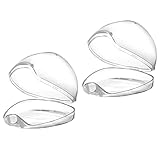
Keeps spare pacifiers cleaner in diaper bags, strollers, cars, and nursery drawers.
View on Amazon
Adds cup holders and quick-access pockets without replacing the stroller.
View on AmazonFAQ
Are pacifier clips safe for naps or sleep?
No. Pacifier clips are for supervised awake time only. Remove clips, cords, and attached accessories before naps, bedtime, or any time your baby is in a crib, bassinet, or play yard.
What should parents compare on a teether?
Look at the age guidance, material, size, cleaning instructions, texture, and whether the shape is easy for your baby to hold without creating hard-to-clean crevices.
How long should a pacifier clip be?
Follow the manufacturer's stated length and safety guidance. Avoid long straps, homemade cords, or anything that could wrap around a baby's neck, hand, or crib rail.
How many soothing items belong on a registry?
A small mix is usually enough: a few pacifiers, one or two supervised-use clips, two easy-clean teethers, and a storage case for clean items in the diaper bag.
Disclosure: This post contains Amazon affiliate links. As an Amazon Associate, Baby Supply World may earn from qualifying purchases.
Safety note: This article is general shopping education. Follow manufacturer age guidance, safety instructions, recall notices, and your pediatrician’s advice for your child and home.