Baby Laundry Detergent and Stain Removers: What Parents Should Compare
| August 6, 2026
Baby laundry looks harmless until the hamper fills with sleepers, bibs, burp cloths, crib sheets, tiny socks, and one mysterious outfit that somehow got stained in three places. The right detergent and stain remover do not need to be fancy. They need to clean well, rinse cleanly, and make sense for the fabrics your baby wears every day.
This is one of those parent-shopping categories where simple is often better. Start with skin-friendly basics, then add targeted stain help if your household is dealing with formula marks, diaper leaks, food stains, or daycare laundry that comes home looking like it lost a fight.
What matters most in baby laundry detergent
Start with residue, scent, and skin comfort. A detergent can smell clean and still be the wrong fit if it leaves fragrance on pajamas or makes towels feel stiff. For newborn clothes and fabrics that touch the face, fragrance-free and dye-free options are usually the safest place to begin.
- Fragrance and dyes: Unscented, dye-free detergent is easier to test first than a heavily scented formula.
- Rinsing: Baby laundry should come out clean without a slick feel, strong smell, or powdery residue.
- Machine type: Check whether the detergent works for HE machines, cold-water washing, or the cycle you use most.
- Load size: Concentrated liquids and pods are convenient, but measuring matters when loads are small.
- Fabric range: Make sure it works for sleepers, blankets, towels, bibs, cloth toys, and crib sheets unless the label says otherwise.
For a broad starting point, compare baby laundry detergents and stain removers on Amazon. Look at fragrance, fabric directions, ingredient notes, and how the product handles everyday baby stains.
Safety and everyday use considerations
Baby laundry products are household cleaners, so store them like cleaners. Keep bottles, pods, sprays, and refill bags sealed and out of reach. Pods are especially risky because they look bright and soft, so they belong in a locked or high cabinet, not under a sink a toddler can open.
If your baby has eczema, allergies, persistent redness, or unusual skin reactions, do not keep guessing through products. Pause the new detergent, rewash with a simple option, and ask your pediatrician what makes sense. Also check clothing labels before using oxygen boosters, enzyme sprays, bleach, or hot water.
Features worth comparing before you buy
The label matters more than the front of the bottle. Compare how the product works in real laundry routines, not just how gentle the packaging looks.
- Liquid, powder, pod, or sheet: Liquids are easy for pretreating, powders store well, pods are convenient but need extra safety storage, and sheets save space.
- Enzymes: Enzyme formulas can help with milk, food, and diaper stains, but some sensitive-skin households prefer simpler formulas.
- Pretreat options: A spray, stick, or small brush can help when stains hit before wash day.
- Cold-water performance: Useful for delicate baby clothes and lower-energy washing.
- Bulk value: Big jugs can save money, but only if you already know the formula works for your baby.
Related guides from Baby Supply World: baby bibs and burp cloth sets, baby drawer organizers and diaper caddies, and diaper pails and refill bags.

When baby laundry products make sense
A dedicated baby detergent makes sense when you are washing newborn clothes before birth, building a baby shower registry, dealing with sensitive skin, or separating baby laundry from the rest of the household. A stain remover makes sense once feeding, crawling, daycare, or diaper blowouts become regular events.
You may not need a special baby-branded bottle forever. Some families start with a gentle detergent, then later move to the household detergent if it is fragrance-free and rinses well. The trick is changing one thing at a time so you know what caused a skin reaction or solved a stain problem.
A simple buying plan
Start with a small bottle of fragrance-free detergent, not the biggest bulk size. Wash a few baby items, watch for skin comfort, and see how clean the laundry feels after drying. Add a baby-safe stain remover only if detergent alone is not keeping up with spit-up, food, or diaper stains.
For stain control, rinse fresh messes when you can, pretreat before they dry, and check the spot before putting the item in the dryer. Heat can set stains fast. Keep one small stain product near the laundry area and one travel-size option in the diaper bag if daycare or road trips are part of your week.
Recommended baby supplies
As an Amazon Associate, Baby Supply World earns from qualifying purchases.

Keeps diapers, wipes, bottles, and small essentials separated so parents can find them fast.
View on Amazon
Keeps tiny laundry, blankets, bibs, and nursery clutter from spreading across the room.
View on Amazon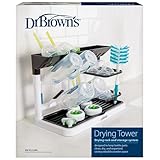
Helps bottles, pump parts, nipples, and small feeding pieces dry without taking over the counter.
View on AmazonFAQ
Do babies need a separate laundry detergent?
Not every family needs a separate detergent, but many parents start with a fragrance-free, dye-free option because newborn skin can be easily irritated.
Should baby laundry detergent be fragrance-free?
Fragrance-free is usually the safest first choice for everyday baby clothes, burp cloths, bibs, sheets, and towels, especially if your baby has dryness or sensitivity.
What stains are hardest to remove from baby clothes?
Formula, breast milk, spit-up, diaper leaks, baby food, and iron drops can all set quickly. Pretreat early, rinse when possible, and check the stain before drying.
Are stain remover sprays safe for baby clothes?
They can be useful, but read the label carefully, rinse or wash as directed, and avoid products that leave strong scent or residue on fabrics that touch skin.
Disclosure: This post contains Amazon affiliate links. As an Amazon Associate, Baby Supply World may earn from qualifying purchases.
Safety note: This article is general shopping education. Follow manufacturer age guidance, safety instructions, recall notices, and your pediatrician’s advice for your child and home.