Baby Drawer Organizers and Diaper Caddies: What Parents Should Compare Before Buying
| July 24, 2026
Nursery organization gear looks simple until the first week home, when burp cloths, diapers, tiny socks, pacifiers, swaddles, and spare pajamas all start migrating to the same pile. The goal is not to build a picture-perfect drawer. The goal is to make the next diaper change, outfit change, or 3 a.m. cleanup easier to handle.
This guide focuses on baby drawer organizers, closet dividers, diaper caddies, small bins, and changing-station storage. These are practical registry items because they help parents use the supplies they already have instead of buying duplicates they cannot find.
What matters most
Start with where baby care actually happens. Some families change every diaper on a nursery dresser. Others use a portable caddy in the living room during the day and only use the nursery at night. The best organizer is the one that matches that real routine.
Drawer dividers work well for clothing, bibs, socks, pajamas, swaddles, and backup crib sheets. Open baskets work better for bulky items like diapers, wipes, blankets, towels, and extra changing pad covers. A portable diaper caddy is useful when supplies need to move from room to room.
- Visibility: If you cannot see the item quickly, the organizer is mostly decoration.
- Reach: Diapers, wipes, diaper cream, burp cloths, and a change of clothes should be easy to grab with one hand.
- Flexibility: Adjustable compartments last longer than fixed tiny slots.
- Cleaning: Wipe-clean bins and washable fabric organizers are better around creams, bottles, and blowout laundry.
- Growth: Newborn storage needs change fast, so avoid systems that only work for one size of clothing.
If you want to compare sizes and layouts, browse baby nursery drawer organizers and diaper caddies on Amazon. Look closely at measurements, drawer depth, basket material, and recent parent photos before choosing a set.
Safety and everyday use considerations
Keep organization gear boring around a baby. That is a compliment. Skip heavy bins on high shelves, dangling cords near the changing area, and anything that can slide off a dresser when bumped. A nursery organizer should make care smoother without creating new hazards.
Changing tables and dressers need extra attention. Supplies should be close enough that you do not step away, but they should not crowd the changing pad. Keep diaper cream, grooming tools, medicines, thermometer covers, and small parts out of reach. As babies get more mobile, anything near the edge becomes interesting very quickly.
Closet and drawer labels can help adults stay consistent, but avoid sharp clips, loose tags, or small pieces that could end up in a crib, play area, or laundry pile. For baby clothes, soft dividers and simple baskets usually beat complicated systems.
Features worth comparing
Drawer divider sets: Adjustable dividers are the safest bet if you are not sure how big your dresser drawers are. Fabric box sets can be handy for socks, mittens, bibs, and onesies, but measure first. Deep drawers may need taller dividers so stacks do not collapse.
Diaper caddies: A good caddy has sturdy handles, enough structure to stay open, and compartments wide enough for diapers and a full wipes pack. Very tiny pockets look neat online, but they can be annoying when you are trying to grab supplies quickly.
Open baskets: Baskets are ideal for diapers, blankets, towels, and seasonal clothing. Choose smooth interiors so fabric does not snag. If the basket sits on the floor, make sure it is easy to vacuum around and not so deep that small items disappear at the bottom.
Closet dividers: Size dividers can help with newborn, 0-3 month, 3-6 month, and 6-12 month clothing. They are most useful when clothes are hanging. If most baby clothes are folded, drawer bins may do more for you than closet tags.
Over-door or wall storage: These can work in a small nursery, but keep weight limits in mind. Avoid storing anything heavy above a crib, changing pad, chair, or play space. Use wall-mounted storage only when it is properly installed.
Clear bins: Clear containers are helpful for backup wipes, unopened pacifiers, pump parts, bottle nipples, and next-size clothing. For daily-use items, open-top storage is usually faster.

When nursery organizers make sense
Nursery organizers make the most sense when you are setting up a registry, preparing for a second baby, or trying to tame a dresser that has turned into one giant mixed drawer. They also help when multiple caregivers use the same space. If grandparents, babysitters, or partners can find supplies without asking, the system is working.
Drawer dividers are especially useful for tiny clothing because baby sizes change quickly. A simple layout can keep current-size clothing in one drawer, next-size clothing in another, and too-small items in a labeled bin for donating, storing, or passing along.
A diaper caddy makes sense if you change diapers away from the nursery. Stock it with diapers, wipes, diaper cream, a changing mat, a backup outfit, a burp cloth, and a small trash bag or wet bag. Do not overload it. If it becomes a junk drawer with handles, it stops helping.
Related Baby Supply World guides
If you are planning the whole baby-care setup, pair nursery storage with diaper caddies and changing station organizers, newborn care gift sets, and baby bibs and feeding smocks. Those categories overlap in real life because diapers, feeding messes, laundry, and quick outfit changes all happen in the same few rooms.
Quick buying checklist
- Measure drawer width, depth, and height before buying divider sets.
- Choose wipe-clean or washable materials for anything near diapers, wipes, bottles, or creams.
- Keep daily supplies visible and reachable, but out of the baby’s reach.
- Use open bins for bulky items and smaller compartments for socks, bibs, and pacifiers.
- Leave room for bigger clothing sizes, seasonal items, and the supplies you will restock later.
Recommended baby supplies
As an Amazon Associate, Baby Supply World earns from qualifying purchases.
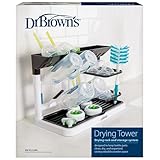
Helps bottles, pump parts, nipples, and small feeding pieces dry without taking over the counter.
View on Amazon
Keeps tiny laundry, blankets, bibs, and nursery clutter from spreading across the room.
View on Amazon
Keeps diapers, wipes, bottles, and small essentials separated so parents can find them fast.
View on AmazonFAQ
How many nursery organizer bins do I need?
Most families can start with a small set: a diaper caddy, two or three drawer dividers, and a few open baskets. Add more only after you see where supplies naturally pile up.
Are fabric drawer organizers better than plastic bins?
Fabric organizers are soft and flexible for clothing, bibs, and socks. Plastic or wipe-clean bins are usually better for creams, bottles, pump parts, wipes, and anything that might leak.
What should go in a diaper caddy?
Pack diapers, wipes, diaper cream, a portable changing mat, a burp cloth, a backup outfit, and a small wet bag or trash bag. Keep medicines and small grooming tools somewhere adults can access but babies cannot reach.
Should I organize baby clothes by size or type?
Use both if you have the space. Keep the current size sorted by type, such as pajamas, onesies, pants, and sleepers. Store future sizes separately so they do not mix into daily drawers too early.
Do nursery organizers make good baby shower gifts?
Yes, especially diaper caddies, drawer dividers, and open storage baskets. They are practical gifts that help parents manage all the smaller registry items that arrive with a new baby.
Disclosure: This post contains Amazon affiliate links. As an Amazon Associate, Baby Supply World may earn from qualifying purchases.
Safety note: This article is general shopping education. Always follow manufacturer age guidance, safety instructions, recall notices, and your pediatrician’s advice for your child.