Baby Bottle Drying Racks and Feeding Station Organizers: What Parents Should Compare
| July 12, 2026
A bottle drying rack sounds like a small purchase until the counter is covered with nipples, pump parts, pacifiers, bottle collars, tiny snack lids, and a brush that never seems to dry. The right setup gives everything a clean landing spot without taking over the kitchen.
This guide focuses on practical baby bottle drying racks and feeding station organizers for everyday homes: what actually matters, which features are worth comparing, and when a simple rack is enough.
What matters most
Start with capacity. A compact rack may work for one or two bottles a day, but parents washing several bottles, pump parts, or daycare containers usually need more vertical space. Look for a rack that can hold bottles upside down without crowding the nipples and small parts underneath.
Drainage matters just as much as size. A good rack should let water move away from the parts instead of pooling under silicone pieces. Removable trays are easier to empty and clean, especially if the rack sits near a sink but not directly over it.
Counter footprint is the tradeoff. Wide racks are easier to load, while taller racks save space but can feel crowded if you are drying chunky bottle parts or sippy-cup valves. Before buying, measure the counter area where bottles actually land after washing.
If you are comparing options now, this Amazon search for baby bottle drying racks and organizers is a useful way to compare shapes, capacities, and current prices.
Safety and everyday use considerations
Drying racks do not sterilize bottles, so keep them separate from sanitizing routines. Wash bottle parts according to the manufacturer instructions first, then place them on a clean rack where air can circulate. If your baby is premature, medically fragile, or your pediatrician recommends stricter feeding hygiene, follow that guidance over any general shopping advice.
Choose materials that are easy to rinse and inspect. Mold usually starts in hidden seams, deep grooves, or trays that stay damp. A rack with removable pieces is easier to scrub thoroughly than one solid unit with hard-to-reach corners.
Placement also matters. Keep racks away from raw food prep areas, pet dishes, and splash zones from handwashing. If the rack sits near a window or under a cabinet, make sure bottles still get enough airflow to dry fully.
Features worth comparing
Removable drip tray: This is one of the most useful features. It lets you dump standing water and wipe the base instead of dragging the whole rack to the sink.
Small-parts basket: Parents using pump parts, pacifiers, bottle vents, straws, or medicine syringes will appreciate a basket that keeps tiny pieces from falling through the rack.
Brush storage: Some organizers include a place for bottle brushes and straw brushes. That can help keep wet brushes upright, but only if the holder itself is easy to clean.
Vertical pegs or flexible branches: Peg-style racks work well for standard bottles. Flexible branch-style racks can handle oddly shaped parts, but they may be more annoying to clean if the base has many grooves.
Dishwasher-safe parts: If the rack pieces can go in the dishwasher, regular deep cleaning is easier. Check the product instructions before assuming every tray or insert is dishwasher-safe.
When a bottle drying rack makes sense
A dedicated drying rack makes the most sense when bottle washing is part of your daily routine. It is especially helpful for formula feeding, pumping, combo feeding, daycare prep, and homes where baby items need a separate spot from regular dishes.
A very small household may only need a compact rack. Families washing bottles in batches may want a wider organizer with a tray and small-parts area. If you already use a lot of feeding accessories, pair this decision with a broader counter setup so clean items have a predictable home.
For related setup ideas, see Baby Supply World guides on baby feeding mats and splat mats and travel snack cups and on-the-go feeding gear.

Quick buying checklist
- Enough pegs or drying space for your normal bottle load
- Removable tray that is simple to empty and wipe
- Small-parts basket for nipples, valves, pacifiers, and pump pieces
- Stable base that will not tip when bottles are loaded on one side
- Easy-to-clean surfaces without deep hidden grooves
- Footprint that fits your real counter space
Recommended baby supplies
As an Amazon Associate, Baby Supply World earns from qualifying purchases.
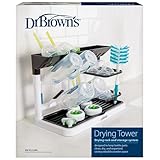
Helps bottles, pump parts, nipples, and small feeding pieces dry without taking over the counter.
View on Amazon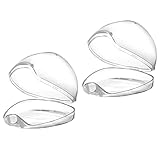
Keeps spare pacifiers cleaner in diaper bags, strollers, cars, and nursery drawers.
View on Amazon
Bundles small health and grooming tools parents usually need at inconvenient times.
View on AmazonFAQ
Do baby bottle drying racks need to be sterilized?
Usually they need regular washing rather than sterilizing, but follow the rack manufacturer’s cleaning instructions. If your pediatrician recommends sterilizing feeding items because of your baby’s health needs, follow that medical guidance.
Is a grass-style drying rack better than a peg-style rack?
Grass-style racks are flexible and easy to load with odd-shaped parts. Peg-style racks can be better for bottles that need more structure and airflow. The better choice depends on what you wash most often.
How often should I clean a bottle drying rack?
Wipe standing water daily if possible and wash the rack regularly, especially the tray and small-parts areas. Clean it sooner if you see residue, cloudy buildup, or any musty smell.
Can pump parts dry on the same rack as bottles?
Yes, many parents use one rack for bottles and pump parts. Choose a rack with enough space and a small-parts basket so valves, membranes, and connectors do not get lost or stay wet.
What size drying rack should new parents buy?
For occasional bottle use, compact is usually fine. For formula feeding, pumping, or daycare prep, a larger rack with a drip tray and small-parts storage is usually more practical.
Safety note: This article is general shopping education. Always follow manufacturer age guidance, cleaning directions, safety instructions, recall notices, and your pediatrician’s advice for feeding and baby-care products.
Disclosure: This post contains Amazon affiliate links. As an Amazon Associate, Baby Supply World may earn from qualifying purchases.