Baby Food Storage Containers, Freezer Trays, and Reusable Pouches: What Parents Should Compare
| November 26, 2026
Homemade baby food storage is easier to manage when the container matches the job. Small glass or plastic containers can work for refrigerator portions, silicone freezer trays can divide batches, and reusable pouches can help with travel. The best setup depends on the child’s stage, how often you cook, freezer space, and how thoroughly each part can be cleaned.
This guide compares baby food containers, freezer trays, and reusable pouches by portion size, leak resistance, cleaning, storage, and everyday handling. These products store food; they do not determine when a child is ready for a food or replace advice from a pediatric clinician.
Plan the storage routine before buying
Start with the path from cooking to serving. Decide where warm food will cool, which portions belong in the refrigerator, which will be frozen, and where clean lids and pouch parts will dry. A container set that stacks neatly may save space, while a tray with flexible wells may make batch portions easier to remove. Measure the shelf or freezer drawer so a tall lid or wide tray does not become an awkward fit.
Choose a size that suits the amount you normally serve rather than buying the largest set. Smaller portions can reduce waste, but too many tiny pieces create more lids and crevices to wash. Keep a clean serving utensil separate from the storage container so a used spoon does not go back into the batch.
Compare baby food storage containers, freezer trays, and reusable pouches on Amazon after checking dimensions, materials, temperature limits, and the maker’s care instructions.
Baby food containers: lids, portions, and materials
Compare the container body, lid seal, opening size, and whether the lid is easy to identify after washing. Glass can make contents visible and may resist staining, but it is heavier and can break. Plastic can be light for a diaper bag, but the exact material and temperature limits matter. Look for clear manufacturer information instead of relying on a generic claim about being “food safe.”
A leak-resistant lid is useful for a refrigerator, but a seal is not a promise that a container can be shaken, frozen, heated, or carried in every position. Check the manual for those uses. Leave the headspace the maker recommends when freezing, and inspect the rim and gasket for cracks, warping, or trapped residue before each use.
Silicone freezer trays: portioning and release
Freezer trays are convenient when one cooked batch needs to become several small portions. Compare the well size, tray footprint, stiffness, lid fit, and whether the tray can be moved without flexing a full row. A rigid outer frame or a fitted lid may help prevent spills, but it still needs a level place in the freezer.
Flexible silicone can release frozen portions easily, yet its folds and corners deserve careful washing. Turn the tray as directed, clean each well and the underside, and let it dry fully before stacking. If a tray develops a tear, sticky surface, persistent odor, or a lid that no longer stays in place, retire it rather than improvising a cover.
Reusable pouches: travel fit and cleaning access
Reusable pouches can be practical for travel when the opening is wide enough to inspect and clean. Compare the fill opening, zipper or closure, spout design, base stability, and whether the pouch comes with a brush or drying stand. A pouch that is easy to fill but difficult to turn inside out may not fit a busy washing routine.
Pay close attention to the maker’s directions for dishwashers, temperatures, and drying. Separate removable parts, rinse promptly, and check the spout, seam, and closure for residue. Do not keep using a pouch with a split seam, damaged closure, cloudy material that cannot be cleaned, or a loose part. A pouch is a storage and serving accessory, not a reason to leave a child unattended while eating.
Cleaning and drying checks
Read the care label before the first use. Wash containers, lids, trays, and pouch parts with the method the manufacturer specifies, then allow them to dry completely before assembly. Closed lids can trap moisture; store pieces slightly open or separated when the instructions permit it.
Inspect the places food can hide: lid channels, silicone folds, pouch seams, spouts, valves, and removable gaskets. A narrow opening or one-piece design may look tidy but be harder to verify visually. Replace any part that stays stained with residue, grows mold, smells sour after cleaning, or has a crack or split.
The nursery cleaning-supplies guide has related advice about drying and storage. If your feeding area also includes warming equipment, compare its cleaning and temperature instructions with the bottle warmers and portable feeding-prep guide.
Age, texture, and serving considerations
Storage products do not set a child’s readiness for complementary foods. Follow guidance from your child’s clinician and use age-appropriate textures and serving methods. For a younger baby, a smaller portion may reduce waste; for an older child, a container may be used for prepared ingredients or snacks according to the family’s routine. Keep food preparation and serving decisions separate from the marketing language on a package.
When traveling, bring only what you can keep at the temperature and for the time recommended by the food-safety guidance you follow. Label portions with the date when helpful, rotate older food first, and discard food when you are unsure how long it has been stored or whether it stayed cold enough. Do not taste a questionable portion to decide whether it is still suitable.
Manufacturer instructions and recall checks
Keep the product name, model information, lot code, and care instructions. Before buying or relying on a product, search the U.S. Consumer Product Safety Commission recall database for the exact product when appropriate. A recall may affect one model, batch, closure, or accessory rather than every similar container.
If the manufacturer or regulator says to stop using a product, stop using it and follow the stated remedy. Do not patch a split pouch, reuse a cracked lid, or swap an unapproved valve into a food container. The current manual and recall notice take priority over a general buying comparison.

Which storage setup fits your kitchen?
Choose containers that match your refrigerator portions, a tray that stays level and releases cleanly, and pouches only if their seams and parts are easy to inspect. Prioritize complete drying and accessible cleaning over a large accessory bundle. The simplest system is usually the one you can label, wash, dry, and check consistently.
Keep food storage separate from direct infant-care equipment, and store clean parts where they will not collect dust or splash. The high-chair and bibs comparison can help with the serving side of the routine, including wipe-down and fit considerations.
Recommended baby supplies
As an Amazon Associate, Baby Supply World earns from qualifying purchases.

Keeps diapers, wipes, bottles, and small essentials separated so parents can find them fast.
View on Amazon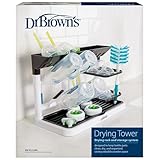
Helps bottles, pump parts, nipples, and small feeding pieces dry without taking over the counter.
View on Amazon
Keeps tiny laundry, blankets, bibs, and nursery clutter from spreading across the room.
View on AmazonFAQ
Can silicone freezer trays be used for every baby food?
Use a tray only for foods and temperatures covered by its manufacturer instructions. Check the material, temperature limits, lid fit, cleaning directions, and the tray for damage before using it.
How do I clean reusable baby food pouches?
Follow the pouch maker’s directions, separate removable parts, rinse promptly, clean the spout and seams, and let every piece dry completely. Replace a pouch with a split seam, damaged closure, persistent residue, or mold.
Are glass or plastic baby food containers better?
Neither is automatically better. Compare breakage risk, weight, visibility, lid design, temperature limits, and whether the container is practical for the way your household stores and washes food.
How long can homemade baby food stay in storage?
Follow current food-safety guidance and your clinician’s advice for the specific food and child’s age. Label portions, keep them at the recommended temperature, and discard food when its storage history is uncertain.
Disclosure: This post contains Amazon affiliate links. As an Amazon Associate, Baby Supply World may earn from qualifying purchases.
Safety note: This article is general shopping education, not medical or food-safety advice and not a substitute for guidance from your child’s clinician. Follow current food-safety guidance and the exact manufacturer instructions, supervise eating, and stop using damaged or recalled products.