Baby Bottle Drying Racks, Brushes, and Sterilizer Bags: What Parents Should Compare
| September 15, 2026
Bottle cleaning gear sounds boring until you are standing at the sink at 11 p.m. trying to find one clean nipple, one matching collar, and a brush that does not smell like yesterday’s formula. A good setup keeps washed parts separated, lets everything dry fully, and makes the next feeding easier to prep.
You do not need every bottle-cleaning gadget online. The useful pieces are usually a drying rack that fits your counter, a brush set that reaches the bottle shape you use, and sterilizer bags or a sterilizing system only when your routine actually calls for it.
What matters most
Start with how many bottles you wash in a normal day. A parent who pumps, formula-feeds, or preps daycare bottles may need more drying space than a household washing one or two bottles at night. The right setup should keep parts upright, easy to see, and away from regular dishes.
- Airflow: Bottles, nipples, rings, valves, and caps need room to dry instead of sitting in a damp pile.
- Counter footprint: Measure the space beside your sink before buying a wide rack or grass-style mat.
- Small-part control: A tray, cup, or separate basket helps keep valves and pacifier parts from disappearing.
- Brush fit: Narrow bottles, wide-neck bottles, straw cups, and pump parts may need different brush shapes.
- Cleaning the cleaner: Racks and brushes should rinse and dry easily, because trapped moisture defeats the point.
For a quick comparison pass, compare baby bottle drying racks, bottle brushes, and sterilizer bags on Amazon. Check dimensions, dishwasher guidance, replacement brush heads, bag reuse limits, and whether the rack can handle the bottle style your family uses.
Safety and everyday use considerations
Follow the feeding product manufacturer’s cleaning and sterilizing instructions, especially for newborns, premature babies, medically fragile babies, pump parts, and specialty bottles. Sterilizing does not replace washing. Bottles and parts still need to be cleaned first so milk residue is removed before any sterilizer bag, steam unit, or dishwasher cycle.
Keep hot steam, microwave bags, boiling water, and fresh dishwasher items away from children. Let parts cool before handling, and check that silicone nipples, valves, and plastic pieces are not cracked, cloudy, sticky, warped, or torn. Damaged parts should be replaced instead of scrubbed harder.
Features worth comparing
The difference between a rack you love and one you shove under the sink is usually in the details. Look past the photo and picture the nightly wash routine.
- Rack layout: Tall posts are good for bottles. Flat mats can be better for pump flanges, snack cups, and odd-shaped parts.
- Drainage: Removable trays are easier to wash. Sloped trays can send water toward the sink if the rack sits close enough.
- Brush materials: Nylon bristles scrub well, silicone brushes dry quickly, and sponge tips can help with bottle bottoms but may wear faster.
- Detail brushes: Tiny brushes for nipples, valves, straws, and vent pieces matter if your bottle system has many parts.
- Sterilizer bag count: Some microwave bags can be reused a set number of times. Mark each use so you do not guess later.
Related Baby Supply World guides that pair well with this topic include silicone baby bibs, suction bowls, and beginner feeding sets, baby food storage containers and freezer trays, and bottle warmers, formula dispensers, and night feeding stations.

When this item makes sense
A dedicated bottle drying rack makes sense if bottles, pump parts, pacifiers, or straw cups are washed every day. It is especially helpful when multiple caregivers prep feeds because clean parts are easier to find and less likely to be mixed into the regular dish pile.
A separate sterilizer bag supply makes sense for travel, shared caregiving, daycare prep, or the early newborn period if your pediatrician or product instructions recommend sterilizing. If your household already uses a dishwasher cycle approved for your bottle parts, bags may be more of a backup than a daily tool.
A practical buying approach
Choose the rack first, then the brush set, then decide whether sterilizer bags belong in your routine. The rack sets the daily workflow. The brush determines how clean the parts get before drying. Sterilizer bags are useful only if they match your bottle materials, microwave, and safety routine.
The best setup is easy to repeat. Wash parts, place them where air can reach them, let them dry fully, and store them before the counter turns into a bottle-part puzzle.
Recommended baby supplies
As an Amazon Associate, Baby Supply World earns from qualifying purchases.
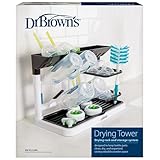
Helps bottles, pump parts, nipples, and small feeding pieces dry without taking over the counter.
View on Amazon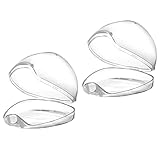
Keeps spare pacifiers cleaner in diaper bags, strollers, cars, and nursery drawers.
View on Amazon
Keeps diapers, wipes, bottles, and small essentials separated so parents can find them fast.
View on AmazonFAQ
Do parents need a separate baby bottle drying rack?
A separate rack helps keep bottle parts together and away from regular dishes, but a clean dedicated dish rack can work if it has enough airflow and space for small parts.
How often should bottle brushes be replaced?
Replace bottle brushes when bristles bend, sponge tips tear, odors linger, or the brush no longer dries cleanly between uses.
Are microwave sterilizer bags necessary?
They are convenient for travel, daycare prep, or occasional sterilizing, but parents should follow the bottle maker's cleaning guidance and the bag's reuse limit.
What features make bottle drying easier?
Look for upright posts, a tray that drains or removes for cleaning, room for nipples and rings, and a footprint that fits beside your sink.
Disclosure: This post contains Amazon affiliate links. As an Amazon Associate, Baby Supply World may earn from qualifying purchases.
Safety note: This article is general shopping education. Follow manufacturer age guidance, safety instructions, recall notices, and your pediatrician’s advice for your child and home.