Silicone Baby Bibs, Suction Bowls, and Beginner Feeding Sets: What Parents Should Compare
| September 11, 2026
Starting solids turns a clean kitchen into a tiny gear test lab. A bib that looked perfect in the package may flip up under the tray. A suction bowl may hold beautifully on one high chair and slide around on another. Beginner feeding sets are useful, but only when the pieces match the way your baby eats and the way your family cleans up.
The best setup is usually simple: a few rinseable bibs, a bowl or plate that works with your tray, soft spoons that fit a small mouth, and pieces that can survive daily washing. You do not need a cabinet full of feeding gadgets. You need the items that make breakfast, daycare prep, and tired weeknight dinners less messy.
What matters most
Focus on fit, cleanup, and repeat use before color or matching sets. Baby feeding gear gets handled with wet hands, dropped on the floor, packed in bags, and washed constantly.
- Bib shape: A structured pocket helps catch dropped food, but the neck closure still needs to sit comfortably without gapping.
- Tray compatibility: Suction bowls and plates need a smooth, flat surface. Measure your high chair tray and check whether raised edges leave enough room.
- Spoon size: Beginner spoons should be shallow and soft enough for early bites, with handles that parents can grip easily.
- Cleaning routine: Dishwasher-safe gear is convenient, but hand washing may help some silicone pieces last longer. Follow the manufacturer instructions.
- Storage: Stackable bowls, nesting plates, and bibs that roll or hang neatly are easier to keep in daily rotation.
If you are building a starter kit, compare silicone baby bibs, suction bowls, and beginner feeding sets on Amazon. Look past the bundle size and check measurements, cleaning guidance, age recommendations, tray-surface notes, and replacement policies.
Safety and everyday use considerations
Feeding gear should support supervision, not replace it. Babies and toddlers should be seated upright and watched while eating. Skip pieces with loose parts, cracked silicone, peeling coatings, sharp edges, or deep crevices that trap food. If a suction base starts separating from the bowl or plate, retire it.
Pay attention to age guidance. Some cups, utensils, and divided plates are designed for babies who already have certain motor skills. Soft spoons and shallow bowls usually make more sense early on, while heavier plates and open cups can come later when your child has better control.
Features worth comparing
Feeding sets are easy to overbuy because the photos all look cheerful. The useful details are more boring, but they matter every day.
- Neck closure range: Adjustable snaps or secure tabs help the bib fit longer as your baby grows.
- Pocket depth: A pocket that stays open catches more food than one that collapses against the bib.
- Suction footprint: Wider suction bases tend to hold better, but they also need more tray space.
- Material feel: Silicone should feel flexible, smooth, and easy to wipe, not sticky or thin.
- Heat guidance: Check whether bowls can go in the microwave, dishwasher, freezer, or sterilizer before using them that way.
- Set balance: A useful bundle includes pieces you will actually use, not six tiny extras that crowd the drawer.
Related Baby Supply World guides that pair well with this topic include baby food freezer trays and leakproof storage containers, portable baby booster seats and travel high chairs, and baby shower registry starter kits.

When this item makes sense
A dedicated feeding set makes sense when your baby is starting solids, when grandparents or caregivers need a simple mealtime kit, or when you want duplicate gear for daycare, travel, or the diaper bag. It is also a smart baby shower registry add-on because it gets used long after the newborn stage.
It may not make sense to buy a huge bundle before you know your high chair tray, cleaning routine, and baby’s preferences. Starting with a smaller set helps you learn what works before ordering more of the same style.
A practical buying approach
Choose two bibs first, then one suction bowl or plate that fits your tray, then a few spoons. Use those pieces for a week. If cleanup is easier and the suction actually works on your surface, add duplicates. If the bib pocket collapses or the bowl pops loose constantly, switch styles before stocking up.
The right feeding gear should make meals calmer, not more complicated. Easy cleanup, good fit, and sturdy materials beat a big matching bundle that only looks good in the drawer.
Recommended baby supplies
As an Amazon Associate, Baby Supply World earns from qualifying purchases.

Keeps diapers, wipes, bottles, and small essentials separated so parents can find them fast.
View on Amazon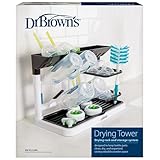
Helps bottles, pump parts, nipples, and small feeding pieces dry without taking over the counter.
View on Amazon
Good for comparing newborn support, cleaning, storage, and toddler transition features.
View on AmazonFAQ
Are silicone baby bibs better than fabric bibs?
Silicone bibs are easier to rinse after meals and usually have a food-catching pocket. Fabric bibs can be softer for drool, bottles, and short snacks, so many parents use both.
Do suction bowls work on every high chair tray?
No. Suction works best on smooth, clean, flat trays. Textured, curved, damp, or scratched surfaces can make even good bowls release more easily.
What should a beginner feeding set include?
A practical starter set usually includes two or three bibs, one or two suction bowls or plates, soft-tip spoons, a small training cup, and easy-clean storage.
When should parents replace silicone feeding gear?
Replace pieces that are cracked, sticky, torn, strongly stained, warped, or holding odors after washing. Always follow the product maker's cleaning and replacement guidance.
Disclosure: This post contains Amazon affiliate links. As an Amazon Associate, Baby Supply World may earn from qualifying purchases.
Safety note: This article is general shopping education. Follow manufacturer age guidance, safety instructions, recall notices, and your pediatrician’s advice for your child and home.