Baby Feeding Spoons, Bowls, and Silicone Bib Sets: What Parents Should Compare
| August 31, 2026
Starting solids adds a new category of baby gear to the kitchen: tiny spoons, bowls that may or may not stay put, bibs with pockets, splash mats, starter cups, and storage for all the parts. None of it needs to be fancy, but the right basics can make early meals easier to clean up and less frustrating to repeat three times a day.
The best feeding setup is simple, washable, and realistic for your actual home. A beautiful bowl is not very useful if it pops loose from the tray every meal, and a bib is not doing much if food slides straight past it.
What matters most
Focus first on fit, cleanup, and how the item behaves when a baby grabs it. Feeding supplies get dropped, bent, rinsed, packed, and washed constantly.
- Soft spoon edges: Early feeding spoons should feel gentle on gums and be easy for an adult to control.
- Stable bowls and plates: Suction bases can help, but only if they match the tray or table surface you use most.
- Bib coverage: Look at neck fit, shoulder coverage, pocket depth, and whether the material wipes clean.
- Dishwasher practicality: Check whether items can go on the top rack and whether small parts need hand washing.
- Storage: Stacking bowls, nesting cups, and flexible bibs are easier to live with in small kitchens.
For a practical starting point, compare baby feeding spoons, bowls, silicone bibs, and starter sets on Amazon. Pay attention to dimensions, care instructions, age guidance, and recent parent comments about staining, suction, and durability.
Safety and everyday use considerations
Feeding gear should support safe routines, not replace supervision. Use products only when your child is ready for that stage, keep small removable parts out of reach, and inspect cups, spoons, and silicone pieces for wear.
Skip products with sharp seams, peeling coatings, loose decorative pieces, or hard-to-clean crevices where food can sit. If a suction bowl loses its grip, treat it as a convenience problem rather than a safety feature. Babies can still pull, twist, and launch things when they are motivated enough.
Features worth comparing
Most starter feeding kits look similar in product photos. The details show up during cleanup and repeated use.
- Spoon shape: Long handles help adults feed younger babies, while chunky short handles can be easier for self-feeding practice later.
- Bowl depth: Shallow bowls are easier for scooping thicker foods; deeper bowls help contain purees and oatmeal.
- Plate dividers: Dividers can keep foods separate, but they also add corners to clean.
- Bib pocket structure: A pocket that stays open catches more food than one that folds flat against the baby.
- Material notes: Silicone is flexible and rinse-friendly, stainless steel is durable, and plastic can be lightweight but should still feel sturdy.
Related Baby Supply World guides that pair naturally with this setup include baby bibs, burp cloths, and feeding smocks, baby food storage containers and snack cups, and portable bottle warmers and formula dispensers.

When this item makes sense
A feeding starter set makes sense when your baby is approaching solids, when you want a compact registry add-on, or when your current kitchen setup is mostly adult plates and full-size utensils. It is also useful for caregivers who need a consistent setup between home, daycare, and grandparents’ houses.
It may not make sense to buy a large matching bundle right away. Some babies prefer certain spoon shapes, some trays do not work well with suction bowls, and some families discover that a few washable bibs beat a drawer full of specialty pieces. Start small, then add what solves a real cleanup problem.
A practical buying approach
Choose one soft spoon style, one or two bowls or divided plates, and two easy-clean bibs before buying extras. If the first set works with your high chair tray and dishwasher routine, then duplicates make sense.
For travel or daycare, keep a separate small pouch with a spoon, bib, snack cup, and wipeable mat. That setup is easier to remember than borrowing pieces from the kitchen every time you leave the house.
Recommended baby supplies
As an Amazon Associate, Baby Supply World earns from qualifying purchases.

Useful on changing tables, in diaper stations, and anywhere wipes dry out too quickly.
View on Amazon
Keeps diapers, wipes, bottles, and small essentials separated so parents can find them fast.
View on Amazon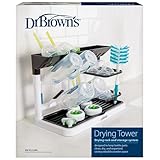
Helps bottles, pump parts, nipples, and small feeding pieces dry without taking over the counter.
View on AmazonFAQ
When should parents buy baby feeding supplies?
Many families start comparing feeding supplies before solids begin, often around the middle of the first year. Timing still depends on the child, so follow pediatrician guidance before starting solids.
Are silicone bibs better than fabric bibs for meals?
Silicone bibs are usually easier to rinse after messy meals, while fabric bibs can feel softer and work well for drool or lighter snacks. Many homes use both.
How many baby bowls and spoons do parents need?
A small starter set is usually enough at first: a few soft spoons, two or three bowls or divided plates, and one backup bib for laundry days.
Do suction bowls work on every high chair tray?
No. Suction works best on smooth, clean, flat surfaces. Textured trays, curved tray edges, and worn silicone bases can make suction less reliable.
Disclosure: This post contains Amazon affiliate links. As an Amazon Associate, Baby Supply World may earn from qualifying purchases.
Safety note: This article is general shopping education. Follow manufacturer age guidance, safety instructions, recall notices, and your pediatrician’s advice for your child and home.