Baby Nasal Aspirators, Thermometers, and Medicine Dispensers: What Parents Should Compare
| August 22, 2026
A small baby health kit is one of those purchases parents rarely think about until they need it at 2 a.m. A stuffy nose, a low-grade fever, or a dose of medicine feels a lot easier to handle when the basics are clean, easy to find, and simple to use.
The goal is not to buy the biggest kit on the shelf. The better move is to compare a few practical tools: a thermometer you trust, a nasal aspirator you can clean properly, and a medicine dispenser with clear markings. Those three pieces do more useful work than a drawer full of mystery gadgets.
What matters most
Start with the tools you can use confidently when you are tired. Baby health supplies should be readable, washable, and stored together so you are not hunting through the nursery during a rough night.
- Clear readings: Thermometers should be fast, easy to read, and appropriate for the age range listed by the manufacturer.
- Cleanable parts: Nasal aspirators and dispensers need parts you can rinse, dry, and inspect without guesswork.
- Comfort: Rounded tips, gentle suction, and simple grips matter more than fancy extras.
- Storage: A case or labeled pouch keeps small pieces together and away from diaper-bag clutter.
- Replacement parts: Filters, tips, batteries, and spare syringes are worth checking before you buy.
For a practical starting point, compare baby nasal aspirators, thermometers, and medicine dispensers on Amazon. Look at age guidance, cleaning instructions, included parts, review photos, and whether replacement pieces are easy to find.
Safety and everyday use considerations
Health supplies deserve a little more caution than ordinary nursery gear. Follow the product directions exactly, especially for thermometers and nasal suction tools. Do not use more suction, deeper placement, or a different measurement method just because a product looks simple.
For medicine, clear markings matter. A dispenser with faded lines or confusing units is not worth keeping. Store medicine out of reach, use the dosing tool recommended for that medicine, and call your pediatrician or pharmacist when instructions are unclear.
Features worth comparing
Product photos can make every kit look complete. The useful differences show up in the details: how the pieces come apart, whether readings are visible in a dark room, and whether the case actually fits the supplies after you open everything.
- Digital thermometer: Check response time, display size, memory features, and battery type.
- Manual nasal aspirator: Simple and quiet, but it needs careful cleaning and may require disposable filters.
- Electric aspirator: Convenient for some families, though it adds charging, noise, and more parts to maintain.
- Medicine syringe: Look for high-contrast measurement marks and a plunger that moves smoothly.
- Storage case: A washable case helps keep medical-use items separate from toys, pacifiers, and loose diaper-bag supplies.
Related Baby Supply World guides that pair naturally with a health-supplies setup include baby grooming and health kits, formula dispensers and bottle prep supplies, and baby drawer organizers and diaper caddies.

When this item makes sense
A focused baby health kit makes sense for newborn registries, grandparents’ houses, diaper-bag backups, and parents who want the basics ready before the first cold or fever. It is also handy if your current supplies are scattered between the bathroom, nursery, and kitchen drawer.
It may not make sense to buy a large bundled kit if you already own a thermometer you trust and only need one replacement piece. In that case, buy the specific tool you are missing and keep the kit lean.
A practical buying approach
Build the setup around clarity first. Choose a thermometer that matches your pediatrician’s guidance, an aspirator with cleaning steps you will actually follow, and dispensers with markings that will not make you squint.
Before you buy, check the age range, cleaning routine, included parts, and storage case. The boring details matter here. The best baby health supplies are the ones you can grab quickly, use correctly, clean thoroughly, and put back in the same place every time.
Recommended baby supplies
As an Amazon Associate, Baby Supply World earns from qualifying purchases.

Bundles small health and grooming tools parents usually need at inconvenient times.
View on Amazon
Keeps tiny laundry, blankets, bibs, and nursery clutter from spreading across the room.
View on Amazon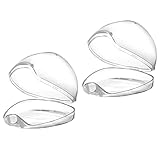
Keeps spare pacifiers cleaner in diaper bags, strollers, cars, and nursery drawers.
View on AmazonFAQ
Do new parents need every item in a baby health kit?
Not always. A reliable thermometer, a simple nasal aspirator, nail care, and a medicine dispenser cover many everyday needs. Extra tools are useful only if you understand how to clean and use them.
What kind of thermometer is best for a baby?
Many parents keep a fast digital thermometer because it is straightforward and easy to store. Follow your pediatrician's guidance on the best measurement method for your baby's age.
Are electric nasal aspirators worth it?
They can be helpful for frequent congestion, but they add batteries, noise, and cleaning steps. A manual aspirator may be enough if you only need occasional gentle suction.
How should baby medicine dispensers be cleaned?
Use the product instructions first. In general, parents should rinse parts right after use, let them dry fully, and avoid reusing a dispenser that has worn markings or trapped residue.
Disclosure: This post contains Amazon affiliate links. As an Amazon Associate, Baby Supply World may earn from qualifying purchases.
Safety note: This article is general shopping education. Follow manufacturer age guidance, safety instructions, recall notices, and your pediatrician’s advice for your child and home.