

A bottle warmer or formula dispenser can make feeding prep feel calmer, especially at night or when you are packing for daycare. The catch is that these products solve different problems. A countertop warmer helps with temperature control at home. A portable warmer helps when you are away from an outlet. A formula dispenser keeps pre-measured powder tidy, but it does not make formula preparation rules disappear.
The best setup is the one that fits how your baby is fed, how often you travel, and how much cleaning you will realistically do. Before buying a bundle, compare heating method, bottle fit, formula storage, power source, and manufacturer safety guidance. Then check the current recall pages for the exact product you are considering.
Start with the feeding routine you already have
Parents often shop for bottle prep gear because one part of the routine is annoying: cold milk from the refrigerator, clumpy formula on the counter, a messy diaper bag, or a warmer that only fits one bottle shape. Name the friction first. That keeps you from buying three gadgets when one simple organizer or travel container would do.
- For refrigerated breast milk or prepared formula: compare warmers by bottle fit, thaw or warm settings, shutoff behavior, and cleaning access.
- For powdered formula: compare formula dispensers by compartment seals, scoop access, labeling space, and whether the pieces are easy to dry fully.
- For travel: compare portable warmers by battery life, charging method, leak resistance, heating speed, and how bulky they are in a diaper bag.
- For daycare: look for clearly labeled containers, simple lids, and parts that caregivers can open without spilling powder or milk.
For a quick product comparison pass, compare baby bottle warmers, formula dispensers, and portable bottle prep gear on Amazon. Read the low-star reviews as carefully as the glowing ones. They often reveal bottle-fit problems, slow heating, awkward cleaning, or lids that pop open in a bag.
Countertop bottle warmers: fit matters more than features
A countertop warmer can be useful if your baby regularly takes chilled bottles. The first question is not whether the warmer has many modes. It is whether your actual bottles fit without tipping, squeezing, or forcing the nipple into a cramped lid. Wide bottles, glass bottles, silicone sleeves, and storage bags all change the fit.
Look for a clear water-fill line, an automatic shutoff, a basket or lift-out piece that keeps fingers away from hot water, and instructions that explain how to descale mineral buildup. Skip any warmer if the listing is vague about bottle compatibility or safe cleaning. If you use breast milk, avoid overheating and follow the storage and warming guidance from your pediatrician, lactation professional, and the milk storage instructions you trust.
Formula dispensers: convenient, but still food-contact gear
Formula dispensers are simple, which is why they are useful. You pre-measure powder into compartments, close the lid, and pour when it is time to mix a bottle. The shopping details are small but important: tight dividers, a pour spout that aims cleanly into your bottle, a lid that will not rotate open in the diaper bag, and surfaces that do not trap powder in corners.
Cleaning matters because powder can cling to seams and damp plastic. Choose pieces that open fully, wash easily, and dry completely before you refill them. If the product has tiny hinges, silicone inserts, or stacking threads, make sure you can inspect those areas after washing. Baby Supply World has a related guide to baby bottle drying racks and sterilizer accessories if your feeding station needs better airflow and drying space.
Portable warmers and travel prep
Portable bottle warmers can be handy for road trips, stroller days, and long appointments. Compare how they heat, how they charge, and whether they require a proprietary bottle adapter. Some models warm water that you then mix with formula. Others warm a bottle directly. Either way, the product should have clear temperature guidance, a secure cap, and parts that are easy to clean once you are home.
Do not treat a portable warmer as a food-safety shortcut. The CDC says prepared infant formula should be used within two hours of preparation and within one hour from when feeding begins. The FDA also reminds caregivers that Cronobacter can get into powdered infant formula after the container is opened, so clean hands, clean surfaces, safe water, and proper storage still matter. Those rules are more important than any gadget feature.
If you pack bottles often, the guide to insulated baby bottle bags and formula travel containers pairs well with this one. For home organization, the article on baby feeding station organizers and bottle storage can help you keep clean bottles, nipples, scoops, and drying pieces separated.
Safety, recalls, and manufacturer limits
Before you buy, check the product manual or manufacturer page for age guidance, bottle compatibility, warming limits, cleaning instructions, and replacement-part warnings. A warmer that works with one bottle system may not be safe with another. A dispenser that is easy for an adult to open may also be easy to spill if it is tossed loose into a bag.
For recalls, start with the U.S. Consumer Product Safety Commission recall database for bottle gear, warmers, and feeding accessories. For formula handling, review the CDC’s infant formula preparation and storage guidance and the FDA’s infant formula safety guidance. If your baby was premature, has immune concerns, or has a medical feeding plan, ask your pediatrician which formula format and preparation method they want you to use.

Cleaning and fit checklist
Before the return window closes, test the warmer and dispenser with the bottles, lids, nipples, bags, and scoops you actually use. Fill and empty the warmer. Remove every washable piece. Check whether your hand or a bottle brush can reach the corners. Let the parts dry and look for hidden water in seams or screw threads.
For formula dispensers, shake the closed container gently over the sink. If powder escapes during a sink test, it will probably escape in a diaper bag. For portable warmers, check the cap, charging port cover, and any silicone gasket after washing. Small parts are easy to misplace when you are tired, so a simpler design may beat a clever one.
What I would buy first
For most families, I would start with a sturdy formula dispenser or travel container, a bottle drying setup with enough room for small parts, and only then a warmer if cold bottles are a daily issue. If you mostly prepare bottles fresh at room temperature, a warmer may sit unused. If you regularly use refrigerated bottles at night, a reliable countertop warmer may be worth the counter space.
For travel-heavy families, prioritize leak resistance and cleaning over heating speed. A portable warmer that leaks or has fussy parts is not a bargain. A simple insulated bag plus clean pre-measured powder may be the better everyday setup, depending on your baby’s feeding plan and your pediatrician’s advice.
Recommended baby supplies
As an Amazon Associate, Baby Supply World earns from qualifying purchases.


Keeps diapers, wipes, bottles, and small essentials separated so parents can find them fast.
View on Amazon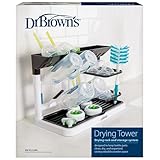
Helps bottles, pump parts, nipples, and small feeding pieces dry without taking over the counter.
View on Amazon
Adds cup holders and quick-access pockets without replacing the stroller.
View on AmazonFAQ
Do I need a bottle warmer?
Not always. Some babies accept room-temperature or safely prepared bottles without warming. A warmer is most useful when you regularly serve chilled milk or formula and want more consistent temperature control than a bowl of warm water.
Can formula powder stay in a dispenser all day?
Follow the formula manufacturer’s storage directions and keep the dispenser clean, dry, and closed. A dispenser is for short-term convenience, not long-term storage. If powder gets damp, clumpy, or exposed to a dirty surface, do not use it.
Are portable bottle warmers safe for newborns?
They can be useful, but safety depends on the exact product, bottle type, temperature control, cleaning, and your baby’s health needs. Follow the warmer instructions and your pediatrician’s feeding guidance, especially for premature babies or babies with medical concerns.
What should I check before buying a formula dispenser?
Check compartment size, seal strength, pour control, ease of washing, drying access, and whether the lid can rotate open in a diaper bag. Also make sure the product is meant for food contact and does not have unresolved recall concerns.
Disclosure: This post contains Amazon affiliate links. As an Amazon Associate, Baby Supply World may earn from qualifying purchases.
Safety note: This article is general shopping education. Follow manufacturer age guidance, feeding instructions, cleaning directions, formula preparation rules, recall notices, and your pediatrician’s advice for your child. Feeding gear does not replace safe food handling or medical guidance.