

A baby feeding station does not have to look like a catalog setup. It just needs to make the next bottle, snack, bib, or burp cloth easier to find when one hand is busy and the other hand is already reaching for something.
The best organizers are not the biggest ones. They separate wet parts from dry supplies, keep everyday pieces visible, and stop the counter from turning into a pile of bottle caps, brushes, pump parts, and laundry. A small, thoughtful setup usually works better than a huge bin that swallows everything.
What matters most
Start with the feeding routine you actually have. A newborn bottle area, a pumping station, and an older baby’s snack corner need different storage. Before buying a matching set of bins, count what you use every day and what only needs backup storage.
- Wet versus dry storage: Drying racks need airflow. Backup bibs, caps, and containers can live in bins or drawers.
- Counter footprint: Measure the space next to the sink, bottle warmer, or prep area before ordering anything wide.
- Daily visibility: Clear bins, open caddies, and labeled dividers make it easier to see when you are almost out of clean parts.
- Cleaning: Smooth plastic, silicone, or coated metal usually wipes down faster than woven baskets near feeding supplies.
- Portability: A small caddy with handles can move from kitchen to nursery when late-night feeds are still part of the routine.
For a practical comparison pass, compare baby feeding station organizers and bottle storage options on Amazon. Look closely at dimensions, washable materials, bottle capacity, drawer height, drying airflow, and whether the organizer fits the bottles, nipples, caps, snack cups, or pump parts you already use.
Safety and everyday use considerations
Feeding storage should make sanitation easier, not hide mess. Anything that touches milk, formula, food, or a baby’s mouth needs to be washed, dried, and stored according to the manufacturer’s instructions. If a bin traps moisture or keeps parts stacked while damp, it can create exactly the problem the organizer was supposed to solve.
Keep small caps, valves, bottle nipples, and loose accessories out of a child’s reach. Also separate cleaning tools from ready-to-use feeding parts. A bottle brush that sits in splash water next to clean nipples is not doing anyone favors. If you use formula, follow the formula maker’s prep and storage guidance carefully.
Features worth comparing
Most feeding organizers look calm in product photos because they are empty. The real test is whether they still work once bottles, pump pieces, bibs, and brushes are in the mix.
- Tiered shelves: Helpful for formula containers, snack cups, and backup bottles, but only if the shelves are tall enough.
- Divided bins: Good for caps, nipples, pacifier cases, and small utensils that disappear in deep drawers.
- Dedicated drying space: Bottle trees and racks should keep parts separated with enough air movement.
- Drawer inserts: Useful for bibs, burp cloths, and sealed food pouches, especially if counter space is limited.
- Carry handles: Worth it if supplies move between kitchen, nursery, grandparents’ house, or daycare prep areas.
Related Baby Supply World guides that fit naturally with this setup include newborn feeding supplies, baby bottle drying racks and feeding station organizers, and baby bibs, burp cloths, and feeding smocks.


When this item makes sense
A feeding station organizer makes sense if bottles and feeding supplies are part of your daily rhythm, especially during the newborn months or while pumping. It also helps shared-care homes where more than one adult needs to find the same items without asking where everything went.
It may not be worth buying if you already have a small bottle routine, a dishwasher basket that handles most parts, or drawer space that is working fine. In that case, a single drying rack, a drawer divider, or one washable caddy may be enough.
A practical buying approach
Before ordering, make a tiny inventory: bottles, nipples, caps, brushes, bibs, burp cloths, formula containers, snack cups, pacifier cases, and pump parts if relevant. Then split them into three groups: wet items that need drying, dry items used daily, and backup items that can live somewhere else.
The best setup should make the next feed feel less chaotic. You can see what is clean, grab the right piece quickly, and reset the station without turning a tired kitchen counter into a second nursery closet.
Recommended baby supplies
As an Amazon Associate, Baby Supply World earns from qualifying purchases.

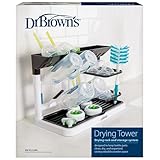
Helps bottles, pump parts, nipples, and small feeding pieces dry without taking over the counter.
View on Amazon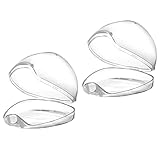
Keeps spare pacifiers cleaner in diaper bags, strollers, cars, and nursery drawers.
View on Amazon

Keeps tiny laundry, blankets, bibs, and nursery clutter from spreading across the room.
View on AmazonFAQ
Do parents need a dedicated baby feeding station organizer?
Not always. It helps most when bottles, pump parts, bibs, burp cloths, and formula or snack containers keep landing in different places throughout the day.
What should go in a bottle storage setup?
Keep daily-use bottles, nipples, caps, burp cloths, bibs, a bottle brush, and measured formula or snack containers nearby. Store backup inventory somewhere separate so the counter stays usable.
Are countertop bottle organizers safe?
They can be useful, but they still need regular washing, drying, and clutter control. Follow bottle, pump, and formula safety instructions instead of relying on the organizer to keep everything sanitary.
What is better: a drying rack or a closed bin?
A drying rack is better for clean wet parts that need airflow. A closed bin is better for dry backup supplies, travel containers, bibs, or items you want protected from dust.
Disclosure: This post contains Amazon affiliate links. As an Amazon Associate, Baby Supply World may earn from qualifying purchases.
Safety note: This article is general shopping education. Follow manufacturer age guidance, safety instructions, recall notices, and your pediatrician’s advice for your child and home.