

Newborn feeding supplies are easy to overbuy because every bottle, bib, warmer, and drying rack claims to make life easier. Some really do. Others just turn a small kitchen counter into a plastic obstacle course.
The best setup is simple: enough clean bottles or feeding tools to get through the day, a way to wash and dry everything, and a few soft items that handle spit-up without creating more laundry chaos. Here’s how to build a practical newborn feeding station without filling three cabinets before the baby arrives.
What matters most for newborn feeding supplies
Start with your feeding plan, then buy around it. Formula feeding, pumped breast milk, combo feeding, and direct nursing all use slightly different gear. You don’t need every item on every registry list.
For bottle feeding, most families need a small set of newborn-friendly bottles, slow-flow nipples, a bottle brush, a drying rack, and a safe storage spot for clean parts. If you plan to pump, add milk storage bags or containers, labels, and a small bin for pump pieces.
For nursing, the essentials may be simpler: burp cloths, a few easy-clean bibs, nipple cream if recommended, and a comfortable place to keep water and snacks nearby. Even nursing households often keep a couple of bottles on hand for flexibility.
Before buying a large bundle, compare newborn feeding supplies on Amazon and look closely at nipple flow, cleaning instructions, and whether replacement parts are easy to find.
Safety and everyday use considerations
Feeding gear touches milk, formula, and your baby’s mouth, so cleaning matters more than cute colors. Choose bottles and parts that come apart fully, rinse easily, and have clear manufacturer instructions for washing, sterilizing, and replacement.
Newborn nipples should match your baby’s age and feeding needs. A flow that is too fast can make feeding stressful. If your baby coughs, gulps, leaks milk often, or seems uncomfortable, ask your pediatrician or feeding specialist for guidance instead of guessing through a pile of nipples.
Skip used bottle nipples, cracked plastic, cloudy parts that won’t clean well, and anything missing instructions. For warmers, sterilizers, and prep machines, read the manual before the first sleep-deprived night. Convenience gear is only helpful when you know how to use it safely.
Features worth comparing before you buy
- Bottle shape: Wide-neck bottles are usually easier to clean, while narrow bottles may fit some bags and warmers better.
- Nipple availability: Make sure slow-flow and replacement nipples are easy to reorder.
- Dishwasher guidance: Some parts are top-rack safe; others need handwashing.
- Drying rack footprint: A compact rack is better for small kitchens, but it still needs airflow.
- Burp cloth fabric: Soft cotton, muslin, and absorbent blends are more useful than decorative pieces that barely catch anything.
- Storage: A small bin or drawer divider keeps clean nipples, caps, and rings from disappearing.
If you’ve already got a diaper caddy or nursery organizer, use the same thinking here: everything should have a home. Feeding supplies get frustrating when clean and dirty parts mix together.
When a feeding starter set makes sense
A feeding starter set makes sense if you’re building a baby registry, setting up a grandparent’s house, or starting from zero before the baby arrives. It gives you enough pieces to learn what your baby tolerates without committing to twenty bottles from one brand.
If your baby already has a bottle preference, buy more of that exact system instead of experimenting. Newborns can be picky, and “highly rated” does not always mean “works for this baby.”


A simple newborn feeding checklist
For a practical starter setup, think in small groups: bottles or feeding tools, cleaning supplies, drying space, burp cloths, bibs, and storage. That covers the daily rhythm without turning feeding into a gear collection.
Buy a modest amount first, then adjust after your baby shows preferences. That one decision saves money, cabinet space, and a surprising amount of frustration.
Recommended baby supplies
As an Amazon Associate, Baby Supply World earns from qualifying purchases.

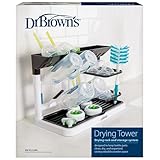
Helps bottles, pump parts, nipples, and small feeding pieces dry without taking over the counter.
View on Amazon

Keeps tiny laundry, blankets, bibs, and nursery clutter from spreading across the room.
View on Amazon
Keeps diapers, wipes, bottles, and small essentials separated so parents can find them fast.
View on AmazonFAQ
How many newborn bottles should I buy before birth?
Many families start with four to six bottles instead of a huge set. Once you know which bottle your baby accepts and how often you wash parts, you can buy more confidently.
Do I need a bottle sterilizer?
Not always. Some families don’t need one and use boiling water or dishwasher settings when manufacturer instructions allow it. A sterilizer can be convenient, but check your pediatrician’s guidance, especially for premature babies or medical concerns.
Are burp cloths or bibs more useful for newborns?
Both help, but burp cloths usually get used constantly in the early weeks. Soft bibs become more helpful as drool and bottle drips pick up.
Should I buy a bottle warmer?
A warmer is optional. Some babies take room-temperature milk, while others prefer warmed bottles. If you buy one, make sure it fits your bottles and has clear safety instructions.
Safety note: This article is general shopping education. Always follow manufacturer age guidance, safety instructions, recall notices, safe formula and milk handling guidance, and your pediatrician’s advice.
Disclosure: This post contains Amazon affiliate links. As an Amazon Associate, Baby Supply World may earn from qualifying purchases.