

Bibs and burp cloths are the kind of baby supplies parents reach for all day, then wonder why every clean one has disappeared by dinner. They are small purchases, but the wrong set can mean wet collars, stained shirts, and a laundry basket that fills faster than expected.
The best setup is usually a mix: soft bibs for bottles and drool, larger bibs or smocks for food, and absorbent burp cloths that can handle spit-up, shoulder duty, and quick cleanup. Shopping gets easier once you compare these items by job instead of buying the cutest print in a ten-pack.
What matters most
Start with the mess you are trying to solve. A newborn who spits up after bottles needs different gear than a toddler learning oatmeal. Thin fashion bibs may look nice in photos, but everyday feeding supplies need coverage, absorbency, and easy cleaning.
- Absorbency: Burp cloths and drool bibs should soak up moisture without feeling rough against the baby’s skin.
- Coverage: Meal bibs and smocks should protect the chest, lap, and sometimes sleeves.
- Closures: Snaps, ties, hook-and-loop, and pull-on designs all behave differently during squirmy changes.
- Wash routine: Anything used several times a day should survive hot washes and frequent drying.
- Storage: A stack near the feeding chair, changing area, and diaper bag saves more stress than one perfect drawer.
For a broad starting point, compare baby bibs, burp cloths, and feeding smocks on Amazon. Look closely at size charts, fabric layers, closure style, care instructions, and whether reviews mention shrinking, curling edges, or weak snaps after washing.
Safety and everyday use considerations
Bibs and smocks should only be used while a baby is awake and supervised. Remove them before naps, bedtime, and car-seat use. Check that closures release properly, avoid long loose ties for young babies, and stop using any item with torn fabric, loose snaps, peeling waterproof layers, or pieces that could come off.
Material matters too. Babies with sensitive skin may do better with soft cotton layers around the neck, while waterproof smocks are better saved for messy meals and art-style play. If a bib leaves red marks, feels stiff, or bunches under the chin, it is not the right daily option.
Features worth comparing
Product photos rarely show how a bib behaves after the tenth wash. Compare the little details that affect real use: neck adjustability, pocket shape, backing material, and whether the cloth still lies flat after drying.
- Neck sizing: Adjustable snaps usually last longer across growth stages than one fixed opening.
- Crumb pockets: Silicone pockets should stay open instead of collapsing against the baby’s shirt.
- Backing layers: A waterproof or fleece-backed bib can protect clothing better during teething.
- Burp cloth shape: Longer cloths cover adult shoulders better, while smaller cloths fit easily in a diaper bag.
- Smock sleeves: Elastic cuffs help, but they should not feel tight or leave marks.
Related Baby Supply World guides that pair naturally with feeding cleanup include baby bottle drying racks and cleaning brushes, baby food storage containers and freezer trays, and baby laundry detergent and stain removers.

When this item makes sense
A larger bib and burp cloth stash makes sense if the baby has reflux, bottle feeds often, drools heavily during teething, attends daycare, or if laundry does not happen every day. Feeding smocks make more sense once meals get hands-on and the baby is practicing with spoons, pouches, sauces, and soft finger foods.
You may not need every style right away. For a newborn, a stack of absorbent burp cloths and soft bibs is usually more useful than a full smock collection. For a toddler, wipeable bibs and sleeved smocks can save outfits and make cleanup less annoying.
A practical buying approach
Buy in small groups first: a few soft bibs, several burp cloths, and one or two wipeable meal bibs. After a week, you will know what disappears fastest. If the burp cloths are always in the wash, add more of that exact style. If the silicone bib sits unused because the baby hates the feel, skip the bulk pack.
The sweet spot is boring in the best way: soft enough for daily wear, tough enough for laundry, easy to fasten with one hand, and cheap enough that you do not panic when one gets stained by blueberries.
Recommended baby supplies
As an Amazon Associate, Baby Supply World earns from qualifying purchases.


Keeps diapers, wipes, bottles, and small essentials separated so parents can find them fast.
View on Amazon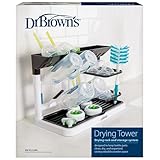
Helps bottles, pump parts, nipples, and small feeding pieces dry without taking over the counter.
View on Amazon
Useful on changing tables, in diaper stations, and anywhere wipes dry out too quickly.
View on AmazonFAQ
How many bibs and burp cloths do new parents usually need?
Many families are comfortable starting with 8 to 12 everyday bibs and 10 to 16 burp cloths, then adding more if the baby spits up often or laundry runs only a few times a week.
Are silicone bibs better than fabric bibs?
Silicone bibs are easy to rinse after meals and often have crumb pockets. Fabric bibs are softer for drool, bottles, and younger babies. Most homes use both for different parts of the day.
When should I use a full feeding smock?
A smock makes sense once a baby or toddler is self-feeding, using puree pouches, practicing with utensils, or eating foods that stain sleeves and shirt fronts.
What material is best for burp cloths?
Cotton muslin, cotton terry, and bamboo blends are common because they feel soft and absorb well. The best choice is usually the one that stays absorbent after repeated washing.
Disclosure: This post contains Amazon affiliate links. As an Amazon Associate, Baby Supply World may earn from qualifying purchases.
Safety note: This article is general shopping education. Follow manufacturer age guidance, safety instructions, recall notices, and your pediatrician’s advice for your child and home.