

Baby food storage sounds simple until the fridge has three unlabeled cups, the freezer tray lid will not stay flat, and nobody remembers whether the green puree was peas or pears. A good container setup keeps meals visible, portioned, and easy to move from freezer to daycare bag without turning the kitchen into a guessing game.
The best baby food containers and freezer trays are not the fanciest ones. They are the pieces you can wash quickly, label clearly, stack without drama, and trust for the temperatures you actually use. For most parents, that means a small mix of freezer portions, fridge containers, and one or two travel-ready cups.
What matters most
Start with your feeding routine. A parent making one fresh meal at a time needs a different setup than a family batch-freezing purees on Sunday night. The right choice should make the next feeding easier, not create a pile of tiny parts that need special handling.
- Portion size: Smaller compartments waste less food during early feeding, while larger containers make more sense once meals are predictable.
- Lid fit: Loose lids are frustrating in the freezer and risky in a diaper bag. Look for lids that seal firmly and sit flat.
- Cleaning: Smooth corners, removable seals, and clear dishwasher guidance matter more than cute shapes.
- Labeling space: You need room for the food and date, especially if several batches look alike after freezing.
- Stackability: Containers should use freezer and fridge space efficiently without tipping over.
For a broad starting point, compare baby food storage containers and freezer trays on Amazon. Check capacity, material, lid style, cleaning instructions, and whether the listing clearly says the item is intended for baby food or food storage.
Safety and everyday use considerations
Use containers only as directed by the manufacturer. If a tray is freezer-safe but not microwave-safe, do not stretch that guidance because it seems convenient. Temperature ratings, washing instructions, and age guidance are there for a reason.
Inspect lids and seals often. Toss anything cracked, cloudy, sticky, warped, or hard to clean. With baby food, the boring habits are the useful ones: label dates, rotate older portions forward, thaw safely, and avoid reheating the same food over and over.
Features worth comparing
Online photos make most sets look equally tidy. The real differences show up when your hands are wet, the baby is hungry, and the freezer shelf is already crowded.
- Silicone trays: Flexible trays make frozen portions easier to pop out, but flimsy lids can be annoying if they bow or spill.
- Hard-sided cups: Small containers stack neatly and travel better, but seams and lids need careful cleaning.
- Measurement marks: Marks help with portion tracking, but only if they are easy to read and do not rub off quickly.
- Freezer-to-fridge workflow: Some parents freeze portions in trays, then move cubes to a labeled freezer bag or larger container.
- Daycare use: If food goes to daycare, choose containers that are easy to label and simple for another adult to open.
Related Baby Supply World guides that fit naturally with feeding storage include portable baby feeding supplies for daycare and travel, baby bibs and burp cloth sets, and baby formula dispensers and bottle prep supplies.


When this item makes sense
Baby food storage containers make the most sense when you are prepping meals ahead, sending food to daycare, saving leftovers from a fresh meal, or trying to keep feeding supplies organized in a small kitchen. Freezer trays are especially useful during the puree stage because they turn a batch of food into small portions you can thaw one at a time.
You may not need a huge set. A practical starter setup might include one covered freezer tray, six to ten small fridge containers, and a couple of leak-resistant travel cups. Add more only after you know how often you prep and how quickly your baby goes through portions.
A practical buying approach
Choose a simple system first: one tray size, one container style, and labels you will actually use. Matching pieces stack better and make it easier to spot missing lids. If a set has a dozen different shapes, ask whether those options solve a real problem or just look good in the listing photo.
Before buying multiples, test how a container opens with one hand, whether the lid can be cleaned around the seal, and whether frozen portions release without wrestling. Small inconveniences get old fast when you repeat them every day.
Recommended baby supplies
As an Amazon Associate, Baby Supply World earns from qualifying purchases.


Keeps diapers, wipes, bottles, and small essentials separated so parents can find them fast.
View on Amazon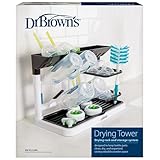
Helps bottles, pump parts, nipples, and small feeding pieces dry without taking over the counter.
View on Amazon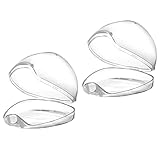
Keeps spare pacifiers cleaner in diaper bags, strollers, cars, and nursery drawers.
View on AmazonFAQ
How many baby food storage containers do parents need?
Many families do well with enough containers for two or three days of meals plus one freezer tray. Bigger stashes can help batch cooking, but too many tiny containers become hard to track and label.
Are silicone freezer trays better than plastic trays?
Silicone trays are often easier for popping out frozen portions, while sturdy plastic containers may stack better in the fridge. Compare cleaning instructions, lid fit, temperature guidance, and whether the product is made for food storage.
Should baby food containers go in the dishwasher?
Only if the manufacturer says they are dishwasher-safe. Small lids and seals can warp or trap residue, so inspect them after washing and replace pieces that no longer close securely.
What size portions work best for early baby food?
Smaller portions are usually easier to thaw and waste less food. Choose trays or containers that match your baby's current stage, then size up as meals become more predictable.
Disclosure: This post contains Amazon affiliate links. As an Amazon Associate, Baby Supply World may earn from qualifying purchases.
Safety note: This article is general shopping education. Follow manufacturer age guidance, safety instructions, recall notices, and your pediatrician’s advice for your child and home.