

Baby bottle cleanup gets repetitive fast. One bottle turns into a nipple, collar, cap, vent piece, travel lid, and maybe a pump part or two. If those pieces are scattered across a dish towel, it is easy to lose track of what is clean, what is dry, and what still needs a proper scrub.
A good bottle drying rack and brush setup does not need to be fancy. It needs to fit your counter, hold the parts you actually wash, drain well, and make cleanup feel a little less like a nightly obstacle course. The useful details are usually small: brush reach, rack spacing, removable trays, and whether tiny parts have a place to dry without rolling away.
What matters most
Start with your feeding routine. A family using four bottles a day needs a different setup than a pumping parent washing flanges, valves, storage bottles, and pacifiers after every session. The right rack should match your real sink-to-counter workflow, not just look tidy in the product photo.
- Rack capacity: Count bottles, nipples, pacifiers, pump pieces, and sippy cup parts before choosing a size.
- Drainage: A rack should let water move away from parts instead of pooling under them.
- Brush reach: The main brush should scrub the bottom and shoulders of your bottles without awkward pressure.
- Small-part storage: Nipples, valves, caps, and straws need secure spots so they do not disappear under larger items.
- Cleaning the cleaner: Racks and brushes need to dry and be cleaned too. Removable trays and simple shapes help.
For a broad starting point, compare baby bottle drying racks and cleaning brushes on Amazon. Check bottle capacity, brush length, replacement brush availability, drainage style, and whether the rack handles the small parts your bottles use.
Safety and everyday use considerations
Follow the feeding-item manufacturer’s cleaning and sanitizing instructions. Some bottle parts are dishwasher-safe, some need top-rack placement, and some pieces may require hand washing or replacement after wear. A drying rack is only helpful if the parts going on it were cleaned the right way first.
Keep drying areas away from raw-food prep zones, damp dish towels, and crowded counters. Let brushes dry between uses, replace them when they look worn, and wash removable rack trays before residue builds up. If any feeding part is cracked, sticky, cloudy, or hard to clean, replace that part instead of trying to rescue it with a stronger scrub.
Features worth comparing
Online photos make every rack look peaceful. Real life is wetter. The better comparison is what happens when your sink is full, one hand is holding a brush, and you need a clean spot for six little pieces.
- Vertical peg racks: Good for holding bottles upright, but they can get crowded if pegs are packed too tightly.
- Grass-style racks: Flexible for odd-shaped parts, though they may need more frequent cleaning underneath.
- Tiered racks: Useful when counter space is tight, but make sure taller bottles fit without tipping.
- Brush sets: Main brush, nipple brush, straw brush, and detail brush sets are helpful if your feeding gear has valves or narrow channels.
- Travel drying mats: Handy for grandparents’ houses, daycare prep, or trips, but they usually hold less than a countertop rack.
Related Baby Supply World guides that fit naturally with feeding cleanup include baby formula dispensers and bottle prep supplies, baby bibs and burp cloth sets, and baby food storage containers and freezer trays.

When this item makes sense
A dedicated drying rack makes sense if bottles are part of your daily routine, if pump parts are taking over the counter, or if you want feeding supplies separated from the rest of the dishes. It is also useful when multiple caregivers help with cleanup because everyone can see where clean parts belong.
You may not need the biggest rack. A practical starter setup is usually one rack that fits your daily bottle count, one main bottle brush, one small detail brush, and a drying area that drains cleanly. Add extras only after you know which parts pile up fastest.
A practical buying approach
Choose for your actual counter space first. Measure the spot beside the sink, then compare rack footprints before getting pulled into cute designs. If you have cabinets above the counter, check height too. Tall racks can be efficient, but only if they fit where you plan to use them.
For brushes, match the tool to the bottle shape. Wide-neck bottles need different pressure than narrow bottles, and straw cups call for skinny detail brushes. Replacement brush heads are worth comparing because brushes wear out long before most racks do.
Recommended baby supplies
As an Amazon Associate, Baby Supply World earns from qualifying purchases.

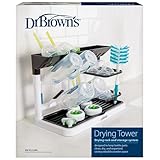
Helps bottles, pump parts, nipples, and small feeding pieces dry without taking over the counter.
View on Amazon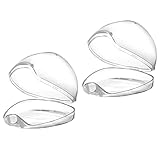
Keeps spare pacifiers cleaner in diaper bags, strollers, cars, and nursery drawers.
View on Amazon
Bundles small health and grooming tools parents usually need at inconvenient times.
View on AmazonFAQ
Do parents need a special drying rack for baby bottles?
Not always, but a dedicated rack can keep bottle parts together, upright, and away from regular dishes. That matters most when you wash several bottles, pump parts, nipples, and pacifiers every day.
What kind of bottle brush is easiest to use?
Look for a brush that reaches the full depth of your bottles, has a nipple-cleaning tip or separate detail brush, and dries quickly between uses. The best choice depends on your bottle shape and how many small parts you wash.
Should bottle brushes be replaced often?
Yes. Replace brushes when bristles flatten, sponge tips tear, handles loosen, or the brush starts to smell. Cleaning tools touch feeding parts, so worn brushes are not worth stretching.
Are countertop drying racks better than foldable racks?
Countertop racks are convenient for daily bottle washing, while foldable racks can be better for travel or small kitchens. Compare capacity, drainage, storage space, and how easily the rack itself can be cleaned.
Disclosure: This post contains Amazon affiliate links. As an Amazon Associate, Baby Supply World may earn from qualifying purchases.
Safety note: This article is general shopping education. Follow manufacturer age guidance, safety instructions, recall notices, and your pediatrician’s advice for your child and home.