

A good bottle bag is not glamorous. It is the quiet little piece of gear that keeps a morning from turning into a sink full of spilled formula, warm bottles, and one more thing to clean before you leave the house.
If you are packing bottles for daycare, errands, pumping, or a weekend visit with family, the best setup is usually simple: an insulated bag that fits your real bottles, a formula container that does not leak powder everywhere, and enough structure that you can find things quickly with one hand.
What matters most
Start with the way you already feed your baby. A parent sending two bottles to daycare has different needs than a parent carrying powdered formula, snacks, and a bottle warmer for a long car day. Measure your bottles before shopping. Tall bottles, wide-neck bottles, and glass bottles can all change what fits.
- Interior height: Bottles should stand upright without forcing the zipper closed.
- Insulation: Thicker lining and room for an ice pack matter more than a vague “keeps cold all day” claim.
- Wipe-clean surfaces: Formula dust, condensation, and milk drips are normal. Fabric that holds moisture gets annoying fast.
- Easy opening: A wide zipper top is easier than a narrow pouch when you are rushing out the door.
- Bag compatibility: Check whether it clips to a stroller, slips inside your diaper bag, or needs to be carried separately.
For a quick comparison pass, compare insulated baby bottle bags and formula travel containers on Amazon. Skip the cute color first and read reviews for leaks, zipper quality, bottle fit, ice-pack space, and whether the lining wipes clean after real use.
Safety and everyday use considerations
Insulated bags help with transport, but they do not replace safe feeding and storage rules. Follow your pediatrician’s advice and current guidance for prepared formula, expressed milk, thawed milk, and unfinished bottles. If a bottle has been sitting out too long or your child has already fed from it, do not let a cooler bag talk you into stretching the rules.
Also check how the bag is meant to be cleaned. A cooler that cannot be fully dried can start to smell. If the seams trap moisture, leave it open after washing and let it air out completely before packing it again.
Features worth comparing
Small design choices make a big difference once the bag is in daily rotation. A slim cooler may look tidy, but it may not fit two wide bottles plus an ice pack. A large bag may fit everything, but it can eat up half the stroller basket.
- Separate formula portions: Stackable containers and rotating-lid dispensers keep powder measured and easier to pour.
- Included ice pack: Handy, but check whether it leaves enough room for your bottles.
- Removable dividers: Useful if you switch between bottles, snacks, and pumping parts.
- Handle or clip: A short carry handle is fine for daycare. A stroller clip or shoulder strap helps on longer outings.
- Leak resistance: Look for raised lining, sealed seams, and reviews that mention real spills.
Related Baby Supply World guides that pair well with this setup include bottle drying racks, brushes, and sterilizer bags, feeding station organizers and bottle storage, and compact stroller organizers for parent gear.

When this item makes sense
An insulated bottle bag makes the most sense when bottles leave the kitchen often: daycare drop-off, pumping at work, grandparents’ houses, stroller walks, appointments, or road trips. It is also useful when you want bottle gear separated from diapers, wipes, extra clothes, and toys.
A formula travel container makes sense if you mix bottles away from home. Pre-measured portions are faster and less messy than scooping from a full canister in a parking lot or waiting room. Just label anything that needs labeling for daycare and keep preparation instructions clear for anyone helping with feeds.
A practical buying approach
Choose the container system first, then the bag. Count the bottles you usually carry, add the ice pack, then add the formula dispenser or snack cup. If the listing photo shows tiny sample bottles, do not assume your bottles will fit the same way.
For most families, the sweet spot is a wipe-clean insulated bag that holds two to four bottles upright, plus a separate formula dispenser with secure lids. That covers normal errands without turning the diaper bag into a puzzle.
Recommended baby supplies
As an Amazon Associate, Baby Supply World earns from qualifying purchases.


Keeps diapers, wipes, bottles, and small essentials separated so parents can find them fast.
View on Amazon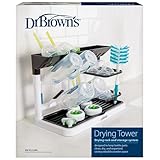
Helps bottles, pump parts, nipples, and small feeding pieces dry without taking over the counter.
View on Amazon
Useful on changing tables, in diaper stations, and anywhere wipes dry out too quickly.
View on AmazonFAQ
How long can an insulated baby bottle bag keep bottles cold?
It depends on the bag, the starting temperature, how many ice packs you use, and the outside temperature. Treat the bag as short-term help, not a guarantee, and follow current formula or breast milk storage guidance from your pediatrician or public health source.
Is a formula dispenser better than carrying the whole formula container?
For errands and daycare drop-off, a portioned dispenser is usually easier. It keeps scoops measured, saves room in the diaper bag, and lowers the chance of spills. For longer trips, you may still want the original container or clearly labeled backup portions.
Should bottle cooler bags be waterproof?
A wipe-clean or water-resistant lining is worth paying for. Small leaks, condensation, and loose bottle caps happen. A bag that can be wiped out and air-dried is much easier to live with than one that traps moisture in seams.
Can one bag handle bottles, snacks, and pumping parts?
Sometimes, but only if the interior layout fits your routine. Look for dividers, washable lining, and enough height for bottles to stand upright. If pumping parts are involved, check cleaning and storage guidance carefully.
Disclosure: This post contains Amazon affiliate links. As an Amazon Associate, Baby Supply World may earn from qualifying purchases.
Safety note: This article is general shopping education. Follow manufacturer age guidance, safety instructions, recall notices, and your pediatrician’s advice for your child and home.