

Bottle drying racks and sterilizer accessories are small purchases, but they can decide whether the feeding corner stays sane. A good setup gives clean bottles a place to drain, keeps nipples and pacifiers from rolling around the counter, and makes it obvious when parts are dry enough to put away.
The trick is not buying the biggest rack you can find. It is matching the setup to how many bottles you wash, whether you pump, how much counter space you have, and whether you use a sterilizer, dishwasher basket, or old-school hand-washing routine.
What matters most
Start with your real feeding volume. A newborn who takes several bottles a day needs more drying space than a mostly-nursing baby who only uses one or two bottles. Parents who pump also need room for flanges, valves, storage lids, and small silicone pieces that disappear fast in a crowded sink area.
- Airflow: Bottles should dry with open space around them, not pressed into a damp pile.
- Small-part storage: Nipples, rings, pacifiers, pump valves, and straw pieces need a tray or basket so they do not fall into the sink.
- Counter footprint: A compact rack that fits your daily routine beats a giant rack that takes over the kitchen.
- Drainage: Look for a removable drip tray, angled drain board, or easy-clean base so water does not sit underneath.
- Cleaning: Smooth surfaces and dishwasher-safe parts are easier to keep fresh than narrow grooves and decorative shapes.
For a practical comparison pass, compare baby bottle drying racks and sterilizer accessories on Amazon. Check dimensions, tray style, small-part capacity, dishwasher-safe notes, and whether the rack works with wide-neck bottles, pump parts, and pacifiers.
Safety and everyday use considerations
Cleaning and drying feeding gear is not only about tidy counters. Wet bottle parts can trap moisture, and tiny pieces are easy to lose or drop. Wash hands before handling clean parts, follow the bottle and pump manufacturer instructions, and use any sterilizer exactly as directed.
If you sterilize bottles, remember that drying still matters. Parts usually need to cool and drain before storage, and some sterilizer baskets are not designed to be long-term counter organizers. Keep cords, hot water, steam lids, loose bottle caps, and small silicone pieces away from children.
Features worth comparing
Most bottle drying racks look simple online. The details decide whether they are pleasant to use at 2 a.m.
- Vertical pegs: Tall pegs help bottles drain upside down, but spacing matters if you use wide bottles.
- Flat drying areas: A flat grid or mat can work better for pump parts, sippy cup valves, and snack cup lids.
- Covered storage: Covered caddies can keep dust off dry parts, but they are not a substitute for proper drying.
- Brush storage: A dedicated spot for the bottle brush helps it dry instead of sitting wet near the sink.
- Modular pieces: Removable trees, trays, and baskets make it easier to adapt the rack as feeding gear changes.
Related Baby Supply World guides that fit naturally with this setup include newborn feeding supplies, baby food storage and freezer trays, and baby bibs for feeding and drool.

When this item makes sense
A dedicated drying rack makes sense if bottles, pump parts, pacifiers, or toddler cup pieces are on the counter every day. It is also useful if multiple caregivers wash feeding gear and need an obvious place to put clean parts.
It may be less necessary if you only use an occasional bottle, already run everything through a dishwasher basket, or have a small kitchen where a washable drying mat fits better than a permanent rack. In that case, look for a compact mat and one small covered bin for dry parts.
A practical buying approach
Count what you wash on a normal busy day, then buy for that amount plus a little breathing room. If you pump, include every small part in the count. If you use wide bottles, check the peg spacing. If the rack will sit near the sink full time, make sure the drip tray is easy to remove and clean.
The best setup should feel boring after a week. Clean parts have a home, the counter dries quickly, and you are not digging through a wet pile to find the one bottle ring you need.
Recommended baby supplies
As an Amazon Associate, Baby Supply World earns from qualifying purchases.

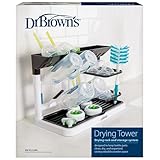
Helps bottles, pump parts, nipples, and small feeding pieces dry without taking over the counter.
View on Amazon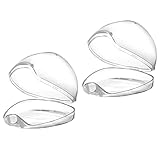
Keeps spare pacifiers cleaner in diaper bags, strollers, cars, and nursery drawers.
View on Amazon
Good for comparing newborn support, cleaning, storage, and toddler transition features.
View on AmazonFAQ
Do baby bottle drying racks need to be dishwasher-safe?
It helps, especially for removable trays and small-part baskets. If a rack is not dishwasher-safe, make sure the base and pegs are easy to hand-wash and fully dry.
Is a drying rack still useful if I use a bottle sterilizer?
Often, yes. Sterilized parts still need a clean place to cool, drain, and finish drying before storage. Follow your sterilizer manual for handling and drying guidance.
What size drying rack should I buy?
Choose based on your daily bottle and pump-part volume, not the biggest size available. A rack that fits your counter and dries one day of parts is usually enough.
Can I dry pump parts on a bottle rack?
Many racks can handle pump parts, but small valves, membranes, and connectors need a basket or flat tray so they do not fall through the pegs.
How often should I clean the drying rack itself?
Clean it regularly, and sooner if water collects, dust builds up, or the tray feels slick. A rack that holds clean feeding gear should not become the dirtiest thing on the counter.
Disclosure: This post contains Amazon affiliate links. As an Amazon Associate, Baby Supply World may earn from qualifying purchases.
Safety note: This article is general shopping education. Follow manufacturer age guidance, safety instructions, recall notices, and your pediatrician’s advice for your child and home.