

Baby bibs seem like a small purchase until you are changing another soaked outfit after a bottle, a drool marathon, or the first messy spoonfuls of food. The right bibs save laundry. The wrong ones just become damp accessories.
Most families need more than one style because newborn feeding, teething, and solid foods create different kinds of mess. A practical bib setup isn’t huge, but it should cover daily feeding, drool, travel, and quick cleanup without taking over a drawer.
What matters most in baby bibs
Start with the mess you are trying to solve. Soft cotton or muslin bibs work well for drool and light bottle drips. Terry cloth bibs can absorb more. Silicone bibs with a catch pocket are usually better once solids start, because they wipe clean and catch some dropped food.
Fit matters too. A bib should sit comfortably around the neck without being tight, gaping, or easy for the baby to pull off. Adjustable snaps often last longer than one-size closures, especially as babies grow.
Think about laundry. If a bib needs special washing, takes forever to dry, or stains immediately, it may not be the one you reach for every day. Parents usually need bibs that can handle repeat use without extra fuss. You’re not buying a keepsake here; you’re buying something that can survive milk, peas, bananas, and the washing machine.
For current options, compare baby bibs for feeding and drool on Amazon and look closely at fabric, closure type, and cleaning instructions.
Safety and everyday use considerations
Bibs are for supervised use. Remove bibs before naps, bedtime, and any unsupervised sleep. Even soft bibs can become unsafe if they twist, bunch, or stay on when a baby is sleeping.
Check closures and decorations. Avoid loose strings, long ties, small buttons, beads, or embellishments that could come off. Simple is safer and usually easier to wash. Don’t underestimate how much better plain, sturdy bibs work compared with cute ones covered in fussy details.
For feeding, make sure bibs don’t interfere with seating, straps, or posture. A stiff silicone bib may be useful in a high chair, but awkward in a car seat or stroller snack situation. Match the bib to the routine.
Features worth comparing before you buy
- Material: Cotton and muslin absorb drool; silicone wipes clean after meals.
- Closure: Snaps usually hold better than loose ties and can offer size adjustment.
- Coverage: Wider bibs protect shoulders and chest better during messy stages.
- Drying time: Thick bibs absorb more but may take longer to dry.
- Pocket design: Silicone catch pockets help with solids, but only if they stay open.
- Pack size: Multipacks make sense if bibs are used daily and washed often.
If you’ve already bought feeding supplies or a booster seat, choose bibs that work with that setup. A great bib for spoon feeding may not be the best bib for drool, and that’s fine.
When bib multipacks make sense
Bib multipacks make sense for drool bibs and everyday cloth bibs because those can go through the laundry quickly. Teething babies may use several in one day, especially if clothing gets damp fast.
Multipacks make less sense for silicone feeding bibs. One or two may be enough if you rinse them after meals. Buying five bulky silicone bibs can create more storage trouble than convenience.


A practical bib starter setup
A simple starter setup might include six to ten soft drool or feeding bibs, one or two wipe-clean silicone bibs for solids, and a few burp cloths nearby. That covers most daily messes without filling an entire drawer. It’s also easy to expand later if daycare, teething, or reflux means you need more backups.
After a week of real use, adjust based on your baby. Some babies barely drool. Others need a fresh bib every hour. The best setup is the one that keeps clothes dry and cleanup easy without creating more laundry than it saves. If a bib makes life harder, it isn’t earning drawer space.
Recommended baby supplies
As an Amazon Associate, Baby Supply World earns from qualifying purchases.


Useful on changing tables, in diaper stations, and anywhere wipes dry out too quickly.
View on Amazon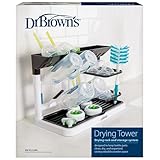
Helps bottles, pump parts, nipples, and small feeding pieces dry without taking over the counter.
View on Amazon

Keeps tiny laundry, blankets, bibs, and nursery clutter from spreading across the room.
View on AmazonFAQ
How many baby bibs do I need?
Many families start with six to ten soft bibs and one or two silicone bibs for solids. Heavy droolers may need more.
Are silicone bibs better than cloth bibs?
Silicone bibs are great for solid foods because they wipe clean. Cloth bibs are usually better for drool, bottles, and lighter everyday messes.
Can babies sleep in bibs?
No. Bibs should be removed before naps, bedtime, and any unsupervised sleep, even if they are soft.
What closure is best for baby bibs?
Adjustable snaps are often a practical choice because they hold securely and fit longer as the baby grows.
Safety note: This article is general shopping education. Always follow manufacturer age guidance, care instructions, safety instructions, recall notices, safe sleep guidance, and pediatrician advice.
Disclosure: This post contains Amazon affiliate links. As an Amazon Associate, Baby Supply World may earn from qualifying purchases.