

Snack cups and baby food storage containers seem simple until they start leaking in the diaper bag, taking over the dishwasher, or refusing to stack in a packed cabinet. The best setup is not usually the biggest bundle. It is the mix of containers, freezer trays, lids, and snack cups that fits how your family actually feeds a baby during the week.
This guide focuses on everyday buying details: safe materials, easy cleaning, realistic portions, travel lids, and storage pieces that hold up after repeated washing. If you are comparing current options, this Amazon search for baby food storage containers and snack cups is a practical place to compare sizes, lid styles, and parent photos with the Baby Supply World affiliate tag applied.
What matters most
Start with how food moves through your day. A parent who meal preps purees needs different pieces than a parent packing daycare snacks, toddler fruit, and small leftovers. For homemade baby food, freezer trays with fitted lids can keep small portions organized. For daycare and errands, leak-resistant containers and handled snack cups are usually more useful than a huge tray of tiny cubes.
Capacity matters, but smaller is often better. Two-ounce and four-ounce containers are easier for early solids, sauces, soft fruit, oatmeal, yogurt, and leftovers. Larger containers can be useful later, but oversized boxes waste space and make it harder to pack a small cooler bag neatly.
Lids deserve real attention. Look for lids that press on evenly, seal without requiring a fight, and are easy to match after washing. If a set has several lid shapes that look almost identical, it may become annoying fast. Color-coded lids, clear bases, and containers that nest cleanly can save time when you are packing food with one hand and answering a crying baby with the other.
Safety and everyday use considerations
For baby feeding supplies, smooth surfaces and simple shapes are your friends. Deep seams, tiny straw valves, and complicated silicone flaps can trap food if they are not cleaned carefully. If you choose straw cups or snack cups with flexible inserts, check whether each piece comes apart and whether replacement parts are available.
Follow the manufacturer’s guidance for dishwasher, microwave, freezer, and sterilizer use. Some containers are freezer-safe but not microwave-safe. Some lids should stay on the top rack only. Silicone trays can be convenient, but they may hold odors if washed with strong-smelling dishes. Glass can be excellent for home storage, but it may not be the best daycare or diaper bag choice unless the caregiver allows it and the container has a protective sleeve.
For snack cups, compare how the opening works. Soft silicone flaps help reduce spills, but babies and toddlers still need supervision while eating. Avoid letting a child walk, run, climb, or ride in a stroller while eating hard snacks, since choking risk depends on food shape, texture, age, and behavior as much as the cup itself.
Features worth comparing
Clear measurement marks: Helpful for homemade purees, breast milk storage transitions, sauces, and small batch portions. Printed marks should be easy to read and not peel quickly.
Freezer tray release: A tray that releases cubes easily is more useful than one that technically freezes food but makes you wrestle each portion out. Silicone trays tend to release better, while rigid trays may stack more neatly.
Leak resistance: Read parent reviews for real diaper bag use. A container can be fine in the fridge and still leak when tipped sideways under wipes, bibs, and spare clothes.
Stacking and nesting: Storage gear should not create a cabinet problem. Sets that nest tightly and use one or two lid sizes are easier to keep together.
Cleaning access: Wide openings, removable parts, and dishwasher-safe pieces matter more than cute shapes. If you cannot see or reach the inside of a lid channel, it may be harder to keep clean.

When these supplies make sense
Baby food storage containers make the most sense when you are prepping ahead, sending food to daycare, portioning leftovers, or moving from early purees into mixed snacks and small meals. Freezer trays are useful for families who cook in batches. Individual containers are better for families who pack food daily and need grab-and-go portions.
Snack cups become more useful once your child is developmentally ready for appropriate finger foods. They are not a substitute for supervision, but they can make car-seat-adjacent packing, stroller baskets, picnic bags, and daycare cubbies more organized. Choose simple, sturdy pieces first. Specialty shapes and oversized bundles can wait until you know what your child actually uses.
How to build a practical set
A good starter setup might include one freezer tray, four to eight small lidded containers, one or two snack cups, and a few labels or erasable markers. That is enough to test your routine without buying a cabinet full of mismatched pieces.
If you already have a larger feeding station, match the storage pieces to it. Baby Supply World’s guide to baby bottle drying racks and cleaning brushes is useful if washing space is tight. For meals away from home, the baby bibs, burp cloths, and feeding smocks guide can help you pair storage with cleanup. If you are comparing seat setups too, review the baby booster seats and travel high chairs guide before adding more gear.
Recommended baby supplies
As an Amazon Associate, Baby Supply World earns from qualifying purchases.


Keeps diapers, wipes, bottles, and small essentials separated so parents can find them fast.
View on Amazon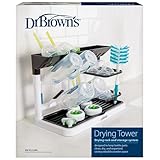
Helps bottles, pump parts, nipples, and small feeding pieces dry without taking over the counter.
View on Amazon
Adds cup holders and quick-access pockets without replacing the stroller.
View on AmazonFAQ
Are silicone baby food freezer trays worth it?
They can be worth it if you batch-prep purees, sauces, or small portions. Look for a fitted lid, easy cube release, and a tray size that fits your freezer shelf.
How many baby food containers do parents really need?
Many families can start with four to eight small containers plus one freezer tray. Add more only after you know whether you are prepping daily, weekly, or mostly packing store-bought foods.
Are snack cups spill-proof?
Most snack cups are spill-resistant, not truly spill-proof. Flexible flaps can reduce mess, but crumbs and small snacks can still escape when a child shakes, tips, or tosses the cup.
Can baby food containers go in the microwave?
Only if the manufacturer says that specific container and lid are microwave-safe. Even then, stir food well and check temperature carefully before serving.
Should I choose glass or plastic baby food storage?
Glass is useful for home storage and reheating, while lightweight plastic or silicone may be easier for daycare, travel, and diaper bags. Check caregiver rules, breakage concerns, and cleaning instructions before choosing.
Safety note: This article is general shopping education. Always follow manufacturer age guidance, safety instructions, recall notices, and your pediatrician’s advice for feeding, food texture, choking risk, storage, and cleaning.
Disclosure: This post contains Amazon affiliate links. As an Amazon Associate, Baby Supply World may earn from qualifying purchases.