

Feeding a baby gets messy fast. A good splat mat or silicone feeding mat will not make every meal tidy, but it can keep purees, soft fruit, oatmeal, and dropped spoons from turning the floor into a full cleanup project.
The right choice depends on where your baby eats, how often you travel, and whether you need something that wipes clean in thirty seconds or can go straight into the washing machine. If you are already comparing baby bibs for feeding and drool, this is the next piece of the same setup: the layer that protects the table, tray, or floor around the high chair.
What matters most
Start with size. A small placemat is useful for a restaurant table or high-chair tray, but it will not catch much from a baby who drops food over the side. A floor splat mat should extend past the high chair legs with enough extra space for cups, utensils, and the occasional dramatic handful of pasta.
Material matters too. Silicone mats usually wipe clean quickly, grip smooth surfaces well, and roll up for a diaper bag. Fabric-backed or laminated floor mats cover more space and can feel better underfoot, but you will want to check whether they are machine washable, air-dry only, or wipe-clean only.
Think about storage before you buy. A mat that folds awkwardly or stays damp in a corner is going to annoy you. The easiest products are the ones you can shake off, wipe down, hang, or toss in a laundry basket without turning cleanup into another chore.
Parents comparing options can browse current baby feeding splat mats and silicone placemats on Amazon to see common sizes, materials, and price ranges.
Safety and everyday use considerations
A feeding mat is not a safety device, but it still belongs near a baby who is moving, grabbing, and learning. Look for a surface that does not bunch under a high chair or create a tripping edge where adults walk. If the mat sits on tile or hardwood, check whether the bottom has enough grip to stay flat.
For tray and table mats, suction can help, but suction is not magic. Some babies figure it out quickly. A low-profile edge, flexible material, and a shape that fits your high-chair tray are often more useful than oversized suction cups that land in the wrong spot.
Also check the cleaning instructions. Food gets into seams, decorative grooves, fabric binding, and rolled edges. If you are using the mat every day, simple is better. Fewer seams mean fewer places for yogurt and banana to hide.
Features worth comparing
For floor splat mats, compare the footprint first. A 42-inch mat may work in a compact kitchen. A larger mat can make sense if your baby eats in a dining room, uses a wide high chair, or has a habit of throwing food sideways. Measure the space around the chair instead of guessing from the product photo.
For silicone placemats, compare the shape and edge design. Some have raised lips to catch small spills. Others include divided plate sections, which can be helpful once your baby starts eating more finger foods. If your child already uses suction bowls or baby spoons, a flat mat may be more flexible than a built-in plate design.
Portability is worth a look. Roll-up straps, storage pouches, and thin silicone can make a mat easier to bring to grandparents’ houses or restaurants. Just remember that a travel mat needs to be easy to clean away from home. If it needs a deep scrub after every meal, it is not really travel-friendly.
Color and pattern sound minor, but they affect daily use. A busy print may hide stains, while a pale solid color makes crumbs and smears easier to spot. Neither is automatically better. Choose the one that fits how you clean.
When a splat mat makes sense
A floor mat makes the most sense once your baby is eating in a high chair regularly, especially during the finger-food stage. It is also useful for baby-led weaning, snack time, craft time, or any setup where dropped food is expected instead of surprising.
A small silicone placemat makes sense if you eat out often, use a booster seat at the table, or want a clean surface when visiting family. If you already use baby booster seats for dining chairs, a portable placemat can make that setup feel more complete.
You may not need both right away. For a baby who mostly eats at home in one spot, start with a floor mat. For a family that is often out of the house, a compact silicone mat may get more use. If feeding gear is taking over your counters, pair the mat with a simple drying setup like the options covered in our baby bottle drying racks and brushes guide.
Quick buying checklist
- Measure the space under and around the high chair before choosing a floor mat.
- Check whether the mat is machine washable, dishwasher safe, or wipe-clean only.
- Look for low edges and flat corners so adults do not trip during cleanup.
- Choose silicone for compact travel use and larger fabric-style mats for floor coverage.
- Avoid hard-to-clean seams, deep grooves, and decorative textures around food-contact areas.


Recommended baby supplies
As an Amazon Associate, Baby Supply World earns from qualifying purchases.


Keeps diapers, wipes, bottles, and small essentials separated so parents can find them fast.
View on Amazon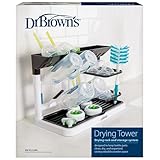
Helps bottles, pump parts, nipples, and small feeding pieces dry without taking over the counter.
View on Amazon
Useful on changing tables, in diaper stations, and anywhere wipes dry out too quickly.
View on AmazonFAQ
Do I need a splat mat under a high chair?
You do not need one, but it can save cleanup time if your baby eats finger foods, throws utensils, or drops soft foods often. It is most useful on floors that stain, have grout lines, or sit near rugs.
Is silicone or fabric better for baby feeding mats?
Silicone is usually better for trays, tables, and travel because it wipes clean and rolls up. Fabric or laminated mats usually cover more floor space. The best choice depends on whether you need portability or coverage.
Can feeding mats go in the dishwasher?
Some silicone mats can, but not all of them. Always check the manufacturer’s cleaning instructions. Large floor mats usually need wiping, rinsing, or machine washing instead.
What size splat mat should I buy?
Measure the high chair footprint and add extra room on every side. For active eaters, a larger mat is usually more useful than one that only fits directly beneath the chair legs.
Are baby feeding mats safe for food contact?
Many silicone placemats are designed for food contact, but floor splat mats may not be. Check the product description, age guidance, materials, and care instructions before using any surface directly with food.
Disclosure: This post contains Amazon affiliate links. As an Amazon Associate, Baby Supply World may earn from qualifying purchases.
Safety note: This article is general shopping education. Follow manufacturer age guidance, safety instructions, recall notices, and your pediatrician’s advice when choosing or using baby products.