

Bottle drying racks are not exciting registry items, but they earn their counter space fast. Bottles, pump parts, pacifiers, nipples, snack cups, medicine syringes, and tiny feeding accessories all need somewhere clean to drain after washing. A good setup keeps those parts upright, easy to find, and away from a wet dish towel that turns into clutter by lunchtime.
The trick is choosing a drying rack and bottle brush system that matches how your household actually feeds. A mostly formula-fed newborn may create a steady bottle rotation. A pumping parent may need room for flanges and valves. A baby starting solids may add silicone spoons, straw cups, and little lids to the pile. The best choice is not always the biggest rack. It is the one that stays clean, fits your counter, and makes daily washing less annoying.
If you are comparing current options, this Amazon search for baby bottle drying racks and brush sets is a practical way to see tray sizes, vertical racks, brush styles, and dishwasher-safe options with the Baby Supply World affiliate tag applied.
What Matters Most
Start with capacity, but think in real pieces instead of bottle count. One feeding session can mean a bottle, nipple, collar, cap, vent insert, pacifier, and pump parts. A rack that claims it holds several bottles may still feel cramped if it has no smart place for small accessories.
Drainage is just as important. Look for raised pegs, open spacing, and a tray that either drains into the sink or can be emptied easily. Standing water is the enemy here. If the bottom tray is awkward to remove, you will probably ignore it, and that is how a helpful baby item becomes one more thing to scrub.
The brush matters too. A bottle brush should reach the bottom corners of your bottles without scratching them. A smaller nipple brush or detail brush is useful for tight rings, straw pieces, and pump valves. Some parents like silicone brushes because they rinse clean easily. Others prefer bristle brushes because they feel more effective on milk residue. Both can work if they are replaced when worn.
Safety And Everyday Use Considerations
A drying rack is not a sanitizer. Wash bottles and feeding parts according to the manufacturer’s instructions, rinse them well, and let them air dry fully before storage. If your pediatrician or the bottle manufacturer recommends sterilizing for your baby’s age or health situation, follow that guidance rather than relying on drying alone.
Keep the rack in a clean zone. It should not sit where raw food splashes, dishwater backs up, or a hand towel drags across it. If counter space is tight, a compact vertical rack can help, but make sure it is stable when loaded. Tall bottle trees can tip if heavy glass bottles or pump parts are all stacked on one side.
Check materials and cleaning instructions before buying. Dishwasher-safe parts are convenient, but not every rack handles high heat well. If a product has a textured grass-style surface, make sure the base comes apart so you can wash under it. Cute design is fine. Hidden grime is not.
Features Worth Comparing
Counter footprint: Measure the space beside your sink before ordering. A rack that looks small online can still take over a narrow counter, especially once bottles are leaning in every direction.
Accessory storage: Small pegs, baskets, or raised areas are useful for nipples, collars, pacifiers, pump valves, and sippy-cup pieces. Flat drying mats work for some kitchens, but tiny parts can roll around and disappear.
Tray design: A removable tray is usually easier to clean than a one-piece base. Some racks drain directly into the sink, which is great if your layout allows it.
Brush set: Compare the main bottle brush, nipple brush, straw brush, and any stand or suction base. A brush that stands upright dries better than one tossed wet into a drawer.
Material: Plastic racks are light and common. Silicone pieces can be flexible and easy to rinse. Stainless accents may feel sturdier, but they still need regular cleaning around joints and seams.
Dishwasher compatibility: If you plan to run the rack through the dishwasher weekly, confirm which parts can go in and whether the product recommends top-rack placement only.


When A Bottle Drying Rack Makes Sense
A dedicated drying rack makes sense if bottles or pump parts are part of your daily rhythm. It keeps baby feeding pieces separate from regular dishes and gives small parts a predictable landing spot. That matters more than it sounds when you are tired and trying to find the missing bottle collar before the next feed.
It is also useful for families who are building a registry. One compact rack, one good brush set, and a few spare bottle parts can be more helpful than a pile of specialty gadgets. If you are still mapping out the full feeding setup, Baby Supply World’s newborn feeding supplies starter guide is a good companion.
For babies moving into solids, the same rack can handle small bowls, silicone spoons, bib clips, straw cups, and snack cup lids. Pair it with easy-clean feeding basics, and the after-meal cleanup gets a little less chaotic. Our guide to baby bibs for feeding and drool can help with that part of the setup.
What To Skip
Skip racks that are hard to take apart. If you cannot easily remove the tray, rinse the base, or clean between pegs, it will be frustrating after a few weeks. Also be cautious with oversized racks if your kitchen is small. More capacity is nice, but not if it blocks your prep space every day.
You can also skip buying too many brushes at once. Start with one solid bottle brush, one detail brush, and one backup. Once you know which bottles, pump parts, or straw cups you actually use, it is easier to buy replacements that fit your routine.
Recommended baby supplies
As an Amazon Associate, Baby Supply World earns from qualifying purchases.

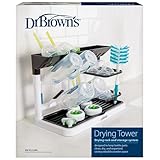
Helps bottles, pump parts, nipples, and small feeding pieces dry without taking over the counter.
View on Amazon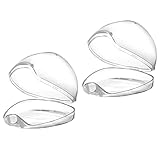
Keeps spare pacifiers cleaner in diaper bags, strollers, cars, and nursery drawers.
View on Amazon
Bundles small health and grooming tools parents usually need at inconvenient times.
View on AmazonFAQ
Do I need a separate drying rack for baby bottles?
You do not absolutely need one, but it helps keep bottle parts organized, upright, and away from regular dishes. It is especially useful if you wash bottles or pump parts several times a day.
Are grass-style bottle drying racks hard to clean?
They can be easy to use, but the base needs regular washing. Choose one that comes apart so you can rinse and scrub the tray underneath the flexible drying surface.
How often should I replace a baby bottle brush?
Replace it when the bristles or silicone head look worn, bent, stained, or hard to rinse clean. Many families replace bottle brushes every few weeks to a couple of months depending on use.
Can bottle drying racks go in the dishwasher?
Some can, but not all. Check the manufacturer’s cleaning instructions and look for top-rack-only guidance. High heat can warp certain plastic parts.
Should bottles be stored on the rack after drying?
Once parts are fully dry, it is usually cleaner to store them in a cabinet, bin, or covered area. Leaving everything on the rack for days can invite dust and kitchen splatter.
Safety note: This article is general shopping education. Always follow manufacturer age guidance, cleaning instructions, safety warnings, recall notices, and pediatrician advice for your baby.
Disclosure: This post contains Amazon affiliate links. As an Amazon Associate, Baby Supply World may earn from qualifying purchases.