

Bottles are small, but the cleanup routine can take over a kitchen counter fast. Between nipples, collars, valves, pump parts, pacifiers, and snack-cup lids, parents need a setup that lets everything get clean, dry fully, and stay easy to grab for the next feeding.
A good bottle-cleaning station does not have to be complicated. The useful pieces are usually a drying rack with enough airflow, a brush that reaches corners without scratching, and a dishwasher basket that keeps tiny parts from bouncing around the machine.
What matters most
Start with your actual feeding routine. A parent washing two bottles a day needs a different setup than a family cleaning bottles, pump parts, and pacifiers after every feeding. The right choice is the one that fits your counter space and reduces the number of loose parts drifting around the sink.
- Airflow: Drying racks should hold bottles and small parts so water can drain instead of pooling inside collars and nipples.
- Reach: Bottle brushes need enough length and flexibility to clean the bottom and shoulder of your bottles.
- Small-part control: Dishwasher baskets should latch securely and have compartments for nipples, valves, caps, and pacifier pieces.
- Counter footprint: Vertical racks save space, while wider racks can be easier to load quickly.
- Easy cleaning: A rack or basket that traps old water is not doing you any favors.
For a quick product scan, compare baby bottle drying racks, cleaning brushes, and dishwasher baskets on Amazon. Check dimensions, dishwasher-safe labels, replacement brush heads, and review photos from parents using similar bottles.
Safety and everyday use considerations
Cleaning tools touch feeding gear, so they need the same practical attention as the bottles themselves. Let parts dry fully before storing them. Wash the drying rack regularly, especially underneath removable trays where water can sit.
Dishwasher baskets are convenient, but only use them for parts that the manufacturer says can go in the dishwasher. Very small silicone pieces can warp, get lost, or land where they should not if the basket latch is weak. When in doubt, hand-wash that part and let it air-dry.
Features worth comparing
The best setup is usually a mix of simple products rather than one giant gadget. Compare how each piece handles the messiest parts of bottle care: narrow spaces, tiny valves, and damp pieces that need airflow.
- Drying rack shape: Tree-style racks hold bottles upright; flat racks can be easier for pump parts and wide accessories.
- Removable drain tray: This makes daily cleanup less annoying and helps prevent stale water under the rack.
- Nipple brush: A small brush or textured tip helps clean inside bottle nipples without turning them inside out roughly.
- Brush material: Nylon bristles are common; silicone brushes can be easier to rinse but may feel less scrubby.
- Basket latch: Look for a secure closure and openings small enough to hold the parts you actually use.
Related Baby Supply World guides that pair naturally with bottle-cleaning supplies include formula dispensers and bottle prep supplies, baby food storage containers and snack cups, and bibs, burp cloths, and feeding smocks.


When this item makes sense
A bottle-drying and cleaning setup makes sense for newborn registries, combo-feeding families, pumping parents, grandparents who keep feeding supplies at their house, and anyone who is tired of small parts drying on random towels.
It may not be necessary if you use very few bottles and already have a clean, dedicated drying area. In that case, a single good brush and a small basket may be enough. Buy for the routine you have, not the picture-perfect counter you saw online.
A practical buying approach
Choose the drying rack first because it controls the counter space. Then add a brush that fits your bottle shape and a basket that holds your smallest parts. If you use pump pieces, pacifiers, or straw cups too, make sure the rack has room for those extras before you click buy.
The boring details are the ones that matter here: drainage, cleaning, replacement parts, and whether the setup is easy to reset after every wash. When those pieces work, bottle cleanup feels less like a pileup and more like a repeatable routine.
Recommended baby supplies
As an Amazon Associate, Baby Supply World earns from qualifying purchases.

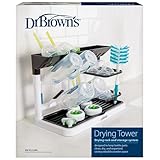
Helps bottles, pump parts, nipples, and small feeding pieces dry without taking over the counter.
View on Amazon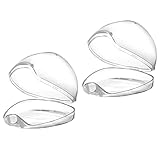
Keeps spare pacifiers cleaner in diaper bags, strollers, cars, and nursery drawers.
View on Amazon
Bundles small health and grooming tools parents usually need at inconvenient times.
View on AmazonFAQ
Do I need a separate drying rack for baby bottles?
A separate rack is helpful if you wash bottles, nipples, pump parts, or pacifiers every day. It gives small pieces a clean place to drain and keeps them away from regular dishes.
Are bottle brushes dishwasher safe?
Some are, but not all. Check the brush label first. Even dishwasher-safe brushes wear out, so replace them when bristles flatten, sponge tips tear, or the handle traps residue.
What should go in a dishwasher basket?
Small parts like bottle nipples, caps, valves, and pacifier pieces are common candidates if the manufacturer says they are dishwasher safe. The basket should close securely so pieces do not fall onto the heating element.
How often should bottle cleaning tools be replaced?
Replace them when they smell, show wear, hold residue, or stop cleaning well. For many families, bottle brushes are a regular replacement item rather than a one-time purchase.
Disclosure: This post contains Amazon affiliate links. As an Amazon Associate, Baby Supply World may earn from qualifying purchases.
Safety note: This article is general shopping education. Follow manufacturer age guidance, safety instructions, recall notices, and your pediatrician’s advice for your child and home.