

A tiny onesie drawer can turn into a laundry pile fast. Newborn clothes are small, the sizes change quickly, and half the battle is finding the clean burp cloth before the baby is already upset.
Nursery drawer organizers and closet dividers are not exciting baby gear, but they’re the kind of simple setup that makes daily care easier. The goal is not a picture-perfect nursery. It’s a dresser and closet that still make sense when you’re tired, holding a baby, and reaching with one hand.
What Matters Most
Start with the storage problem you actually have. Some parents need shallow drawer bins for socks, bibs, hats, and mittens. Others need closet dividers because hand-me-downs and baby shower outfits arrive in six different sizes at once.
The best nursery organizers are easy to rearrange. Babies move from newborn to 0-3 months to 3-6 months quickly, so fixed systems can get annoying. Soft fabric bins, adjustable drawer dividers, and simple hanging size markers usually work better than anything too permanent.
If you’re building a nursery from scratch, look for baby nursery drawer organizers and closet dividers on Amazon that match your dresser depth, drawer height, and closet rod style before you buy a full set.
Safety and Everyday Use Considerations
Storage gear should make the nursery safer, not just neater. Keep heavy bins low, avoid overloading hanging shelves, and make sure anything near the crib cannot be pulled in by a baby once they start reaching and standing.
Skip sharp-edged dividers inside drawers you open constantly. If a drawer sticks or a divider catches on clothing every time, you’ll stop using the system. Smooth fabric, rounded plastic, or flexible bamboo-style dividers are usually easier to live with.
Also think about laundry reality. Newborns create a lot of small wash loads. If your organizer only works when every item is folded perfectly, it may fall apart by week two. A good setup should tolerate rolled pajamas, stacked burp cloths, and a few rushed mornings.
Features Worth Comparing
Drawer fit: Measure the inside width, depth, and height of each drawer. Many baby dressers are shallower than regular bedroom furniture, and tall bins can block the drawer from closing.
Adjustability: Adjustable dividers are useful if the same drawer will hold diapers now, pajamas later, and toddler socks after that. Fixed bins are fine for predictable items like bibs or washcloths.
Visibility: Open-top bins beat lidded boxes for everyday baby supplies. If you can’t see it quickly, you’ll probably buy duplicates or forget the item exists.
Cleaning: Fabric bins look soft and nursery-friendly, but they should wipe clean or be easy to shake out. Plastic organizers handle diaper cream smudges and lint better.
Closet labels: Size dividers help most when you have a lot of gifted clothing. Look for clear size ranges like newborn, 0-3 months, 3-6 months, 6-9 months, and 12 months instead of decorative labels that are hard to read.
Where Drawer Organizers Help Most
Use the top drawer for the items you grab several times a day: diapers, wipes, diaper cream, spare onesies, burp cloths, pacifiers, and socks. The second drawer can hold pajamas, swaddles, sleep sacks, and extra sheets. Lower drawers can store bigger sizes and seasonal clothes.
If you already use a changing station, pair this setup with a simple diaper caddy system. Our diaper caddies and changing station organizers guide covers portable supplies that move from room to room, while drawer organizers are better for the nursery home base.

When Closet Dividers Make Sense
Closet dividers are most useful before the baby arrives and during the first year. That’s when clothes arrive early, sizes overlap, and a 3-month outfit might fit for only a short window.
They make less sense if your baby mostly lives in folded sleepers and onesies. In that case, drawer bins may do more for you than hanging labels. But if you have coats, dresses, special outfits, or lots of hand-me-downs, dividers can prevent the classic problem of discovering a cute outfit after it’s already too small.
When This Item Makes Sense
Nursery organizers are worth buying when you have a dresser, a changing area, or a closet that already feels crowded before the baby arrives. They’re also helpful for second babies because sizes and seasons can get mixed together fast.
You can skip a big matching set if you’re still figuring out the room. Start with one drawer pack or a small divider set. Once you know what you reach for every day, add more pieces where the clutter actually happens.
For outings, storage needs shift from drawers to pockets and compartments. If you’re comparing bags for travel, errands, or daycare drop-off, see our diaper bags buying guide next.
Recommended baby supplies
As an Amazon Associate, Baby Supply World earns from qualifying purchases.


Keeps diapers, wipes, bottles, and small essentials separated so parents can find them fast.
View on Amazon

Keeps tiny laundry, blankets, bibs, and nursery clutter from spreading across the room.
View on Amazon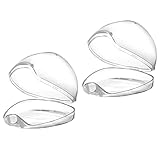
Keeps spare pacifiers cleaner in diaper bags, strollers, cars, and nursery drawers.
View on AmazonFAQ
How many nursery drawer organizers do I need?
Most parents can start with one set for the top dresser drawer. Add more only after you know which supplies pile up: socks, bibs, burp cloths, pajamas, or diaper changing items.
Are fabric or plastic drawer organizers better for baby clothes?
Fabric bins feel softer and look nicer in a nursery. Plastic organizers are easier to wipe clean and can be better for diaper cream, grooming items, and anything that may leak.
Do closet size dividers really help?
They help if you have a lot of hanging baby clothes, gifts, or hand-me-downs in multiple sizes. If most clothes are folded in drawers, drawer labels or separate bins may be more useful.
What should go in the top nursery drawer?
Keep the fastest-grab items there: diapers, wipes, cream, spare onesies, burp cloths, socks, and pacifiers. Save lower drawers for bigger sizes, backup sheets, and seasonal clothing.
Disclosure: This post contains Amazon affiliate links. As an Amazon Associate, Baby Supply World may earn from qualifying purchases.
Safety note: This article is general shopping education. Always follow manufacturer age guidance, product safety instructions, recall notices, and your pediatrician’s advice for your child.