

Before the baby arrives, the diaper bag usually ends up near the top of the registry list. It makes sense — you’ll use it more than almost any other piece of gear in those first months. But browse Amazon or walk through any baby store and you’re immediately staring down hundreds of options in every shape, size, and price range.
This guide walks through what actually matters in a diaper bag, what’s worth comparing, and how to pick a style that fits how you actually live before you’re committed to it.
What Matters Most
The most important job a diaper bag has is keeping you organized when you’re under pressure — ideally one-handed while you’ve got a baby in the other arm. That means smart pocket layout, not just raw capacity.
A few things that make a genuine difference in day-to-day use:
- Easy access pockets — Diapers, wipes, and a spare outfit should be reachable without digging through the whole bag. A wide top opening or a dedicated front pocket makes this much less frustrating.
- Insulated bottle sleeve — Useful even if you don’t bottle feed. This slot holds formula, snacks for older babies, or a parent’s drink on long outings.
- Wipe-clean lining — Leaks happen. A bag with fabric lining that absorbs every spill gets old fast and becomes unsanitary. A wipeable interior is worth the trade-off.
- Comfortable carry — Backpack, shoulder, or crossbody? This comes down to lifestyle. Many parents prefer a bag with more than one carry option so it adapts to different situations.
- Weight when empty — A bag that weighs two pounds before you load it will feel noticeably heavy by the end of a long outing. Check the empty weight before buying.
Diaper Bag Styles Worth Comparing
There are four main styles and each has real trade-offs worth understanding:
Backpack Diaper Bags
The most popular style right now, and for good reason. Both parents can wear them comfortably, they keep both hands free, and they hang easily from a stroller. The main downside: getting to items inside usually means setting the bag down first. Best for parents who walk a lot, travel, or want both parents using the same bag.
Tote-Style Diaper Bags
Totes look more like a regular bag, which appeals to parents who’d rather not obviously be carrying a diaper bag. Wide openings make grabbing things fast. The trade-off is that totes are usually a one-shoulder carry, and that gets uncomfortable on long outings. Great for shorter trips and parents who prioritize speed over hands-free carrying.
Messenger / Crossbody Bags
These swing to the front easily, so you can get into them without fully removing the bag — a real advantage when you need something fast. Not as roomy as backpack or tote styles, which makes them better for experienced parents who’ve figured out exactly what they need versus “pack everything just in case.”
Convertible Bags
Convertibles offer backpack straps and a shoulder strap in one, which a lot of parents find genuinely useful. Different situations call for different carry styles. The main downside is that trying to do both sometimes results in a bag that’s bulkier or less refined than a single-purpose style.
Features Worth Paying Attention To
These specific details are what separate well-designed bags from ones that look good in photos but frustrate you in real life:
- Pocket placement, not just count — A bag with 12 pockets sounds great until half are tiny or awkwardly positioned. Look for at least one easy-grab exterior pocket and a dedicated phone slot you can reach without opening the main compartment.
- Changing pad quality — Most diaper bags include a fold-out changing pad. Check that it’s actually padded enough to use, not just a thin plastic sheet that makes diaper changes uncomfortable for the baby.
- Stroller attachment straps — If you’ll regularly use a stroller, these are worth having. Make sure they’re sturdy enough to hold a loaded bag without tipping the stroller forward.
- Zipper durability — Cheap plastic zippers fail at exactly the wrong moments. Metal or quality coil zippers hold up much better on a bag you’ll use every day.
- Washability — Whether the whole bag or just the liner is machine washable will matter eventually. Check the care tag before you buy.
If you’re still comparing options, browsing diaper bags on Amazon with the filter and sort options lets you narrow by style, size, price, and customer ratings pretty efficiently.

Safety and Everyday Use Notes
Diaper bags aren’t safety-rated products the way car seats or cribs are, but a few practical things are worth keeping in mind:
- Keep medications, vitamins, and anything a child shouldn’t access in a zippered inner pocket — not the easy-reach exterior ones.
- If you hang a loaded bag from a stroller handlebar, make sure the stroller is designed to handle that weight. A heavy bag can tip a lightweight stroller forward.
- An insulated sleeve maintains temperature for a few hours, but it’s not a substitute for a proper cooler if you need formula to stay cold all day.
- Clean the interior lining regularly. Fabric linings that aren’t wipeable or washable can harbor bacteria from spills over time.
When a Diaper Bag Makes Sense
Almost every parent with an infant or toddler finds a dedicated bag useful for at least the first year or two. But a few scenarios are worth thinking through before you buy:
Before the baby arrives: A medium backpack or convertible bag is the safest bet. You won’t know exactly what you need to carry until you’ve been out with the baby, and a versatile option adapts better than something highly specialized.
If your baby is 12+ months: You’ll carry less. Smaller bags — a messenger bag or a scaled-down tote — often work better at this stage than a full-size newborn-era backpack.
If you want the bag to transition out of baby gear: Some diaper bags are designed to work as a travel or work bag after the baby phase. Look for “convertible” or “minimal” styles marketed specifically for this if that matters to you.
FAQ: Diaper Bags
How big should a diaper bag actually be?
For newborns, bigger is usually better — you’ll carry diapers, wipes, a changing pad, spare outfits, feeding supplies, and your own essentials. A medium to large bag (roughly 20–35 liters for a backpack) covers most parents during the first six months. For older babies and toddlers, most parents downsize considerably.
Do diaper bags come with a changing pad?
Most do, but quality varies. Some included pads are well-padded and large enough to use comfortably; others are thin plastic sheets that aren’t much better than nothing. Check reviews specifically about the changing pad before you assume the included one will be enough.
Is a backpack or tote better for a diaper bag?
Backpacks are better for longer outings, stroller use, and splitting carry between two parents. Totes give faster access and look more like a regular bag. A convertible style that does both is a good compromise if you’re not sure which you’ll prefer.
Can two parents share one diaper bag?
Yes, and this is one of the main reasons backpack-style bags have become so popular — they’re comfortable for different body types and don’t skew toward one parent in design. If both parents will use it regularly, adjustable straps and a neutral style matter more than aesthetics.
When do most parents stop using a diaper bag?
Most parents phase out dedicated diaper bags somewhere between ages 2 and 3, once potty training is underway and the daily carry list gets shorter. Some switch to a smaller everyday bag earlier; others keep a pared-down version until their child is fully out of diapers.
Disclosure: This post contains Amazon affiliate links. As an Amazon Associate, Baby Supply World may earn from qualifying purchases.
Safety note: This post is for general shopping education only. Always follow manufacturer age guidance, safety instructions, any applicable recalls, and your pediatrician’s advice when purchasing and using baby gear.
Recommended baby supplies
As an Amazon Associate, Baby Supply World earns from qualifying purchases.


Keeps diapers, wipes, bottles, and small essentials separated so parents can find them fast.
View on Amazon
Useful on changing tables, in diaper stations, and anywhere wipes dry out too quickly.
View on Amazon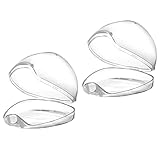
Keeps spare pacifiers cleaner in diaper bags, strollers, cars, and nursery drawers.
View on Amazon