

A diaper caddy looks simple, but it can make diaper changes a lot less chaotic. The right one keeps the small stuff together: diapers, wipes, cream, burp cloths, spare onesies, and those little bags you only remember when you need one.
It’s not a must-have for every family. If you only change diapers at one table and everything already has a drawer, you may be fine. But if you move between the nursery, bedroom, living room, and diaper bag, a good caddy saves steps and keeps supplies from spreading across the house.
What matters most
Start with the way you actually change diapers. A caddy that looks cute but tips over, collapses, or hides the wipes under three layers of tiny pockets will annoy you by the end of the week.
- Open access: You should be able to grab wipes, a diaper, and cream with one hand.
- Stable shape: Soft sides are fine, but the bottom should not sag when the caddy is full.
- Useful dividers: Adjustable dividers help as newborn diapers turn into larger sizes and feeding supplies move in or out.
- Easy cleaning: Wipeable linings matter more than fancy fabric.
- Comfortable handles: If you carry it room to room, the handle design is not a small detail.
If you’re comparing options now, this Amazon search for diaper caddies and changing station organizers is a practical place to check sizes, layouts, and current prices.
Safety and everyday use considerations
A diaper caddy should support the changing routine, not distract from it. Keep it within your reach, but not where a baby or toddler can pull it down. Heavy creams, glass bottles, thermometers, nail clippers, and medicine should be stored with extra care.
Don’t place the caddy on the changing pad or anywhere it can crowd the baby. During a diaper change, one hand should stay close to the baby and the supplies should already be staged. If the organizer makes you turn away, dig, or reach across the child, the layout is working against you.
Features worth comparing
Most diaper caddies fall into three groups: soft felt-style totes, structured fabric organizers, and plastic or wipeable bins. None is automatically best. The right choice depends on whether you value portability, cleaning, or a nursery look.
Soft tote caddies
Soft totes are light and easy to carry. They’re nice for living rooms and bedrooms because they don’t look too clinical. Check the seams, divider stiffness, and bottom support. Cheap versions can fold in on themselves once the diapers run low.
Structured organizers
Structured fabric caddies usually hold their shape better and may include side pockets for cream, pacifiers, burp cloths, and small toys. They’re a good fit if you want one organizer that can move from newborn supplies to toddler grooming items later.
Plastic or wipeable bins
These are less cozy, but easier to clean. If the caddy may sit near bottles, pump parts, diaper cream, or bath supplies, wipeable materials can be worth the tradeoff.
Parents who are building out a full changing setup may also find these Baby Supply World guides useful: portable changing pads and diaper changing mats, baby wipe dispensers and travel cases, and nursery clothes organizers.


When a diaper caddy makes sense
A caddy earns its spot when diaper changes happen in more than one place. It’s also helpful for grandparents’ houses, downstairs stations, small apartments, and parents who want a simple nighttime setup near the bassinet.
Skip the oversized version if it will become a junk drawer with handles. A smaller organizer that holds one day of essentials is often easier to keep stocked. Refill it at the same time each evening and you’ll notice missing wipes or low diaper counts before a 2 a.m. change.
What to keep inside
- Diapers in the current size
- Wipes or a small wipe case
- Diaper cream or barrier ointment
- A changing pad liner or disposable pad
- Burp cloths or small towels
- One spare outfit
- Diaper bags for outings or messy changes
Keep the list boring. That’s the point. A diaper caddy works best when it holds the predictable supplies you reach for again and again.
Recommended baby supplies
As an Amazon Associate, Baby Supply World earns from qualifying purchases.


Keeps diapers, wipes, bottles, and small essentials separated so parents can find them fast.
View on Amazon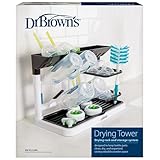
Helps bottles, pump parts, nipples, and small feeding pieces dry without taking over the counter.
View on Amazon
Useful on changing tables, in diaper stations, and anywhere wipes dry out too quickly.
View on AmazonFAQ
Do I need a diaper caddy if I already have a changing table?
A caddy still helps if you change diapers in more than one room or want wipes, creams, diapers, spare clothes, and bags in one grab-and-go spot.
What size diaper caddy works best for newborn supplies?
For newborns, look for enough space for a day of diapers, wipes, diaper cream, burp cloths, and a spare outfit without making the caddy too heavy to carry.
Are fabric diaper caddies easy to clean?
Some are spot-clean only, while others have removable liners or wipeable panels. Check the care instructions before buying, especially if creams or bottles may leak.
Should diaper cream and small grooming items stay in the caddy?
They can, but keep anything small, sharp, medicated, or messy out of your child’s reach and close the caddy after each change.
Bottom line: Choose a diaper caddy that is stable, easy to clean, simple to restock, and matched to where you actually change diapers.
Disclosure: This post contains Amazon affiliate links. As an Amazon Associate, Baby Supply World may earn from qualifying purchases.
Safety note: This article is general shopping education. Always follow manufacturer age guidance, safety instructions, recall notices, and your pediatrician’s advice for your child.