

A baby wipe dispenser sounds like a tiny purchase until you are trying to grab one wipe with one hand, keep a rolling baby steady with the other, and stop the next twenty wipes from coming out in a rope. The right setup is not fancy. It just keeps wipes clean, damp, easy to pull, and close to the places where you actually change diapers.
If you are comparing options now, this Amazon search for baby wipe dispensers and refillable wipes cases is a practical way to compare weighted lids, travel cases, silicone pouches, nursery styles, and changing-station bundles with the Baby Supply World affiliate tag applied.
What matters most
Start with the lid. A good dispenser opens easily but closes tightly enough that wipes do not dry out between changes. Weighted plates are helpful because they hold the stack down while you pull one wipe at a time. They are especially nice for newborn changes, when you are doing the same little routine all day and all night.
Size matters more than the listing photos make it seem. Some dispensers fit a full refill pack. Others only work if you remove part of the stack first. If you buy wipes in bulk, check the interior dimensions and make sure the dispenser can handle the refill style you already use. Nobody needs a cute container that turns every refill into a wrestling match.
For a nursery changing table, a sturdy tabletop dispenser usually makes the most sense. For a diaper bag, a slim travel case or soft refillable pouch is easier to pack. If you use a diaper caddy downstairs, choose something that can ride inside the caddy without popping open or leaking moisture into spare clothes and diapers.
Safety and everyday use considerations
Keep wipe containers out of reach once your baby starts grabbing, rolling, or pulling up. A full dispenser can be heavier than it looks, and a hinged lid can pinch curious fingers. On a changing table, place it where you can reach it without stepping away, but not where the baby can kick or knock it down.
Look for smooth edges, a lid that does not slam shut, and materials that are easy to wipe clean. Diaper cream, lotion, and wet hands end up on everything. If the dispenser has corners or decorative grooves that collect residue, it may look tired fast. Simple shapes usually win in real life.
For travel cases, check the closure carefully. A snap lid should stay closed inside a packed diaper bag. Zippered pouches should not have rough seams that scrape wipes or make refilling annoying. If you fly or drive often, pack a small case with enough wipes for the day and keep the bulk refill at home.
Features worth comparing
- Weighted lid: Helps pull one wipe at a time instead of dragging out a long chain.
- Airtight closure: Keeps wipes from drying out, especially in warm rooms or cars.
- One-handed opening: Useful when you are already holding a diaper, cream, or clean outfit.
- Refill capacity: Full-pack capacity is easier if you buy wipes in bulk.
- Clear window: Lets you see when the stack is low before the 2 a.m. surprise.
- Non-slip base: Keeps the dispenser from sliding across a dresser top.
- Travel size: Slim cases and soft pouches fit better in diaper bags than bulky boxes.
Do not overpay for a dispenser just because it matches the nursery. A nice-looking container is fine, but the boring details matter more: easy refills, tight lid, stable base, and a shape that fits your actual changing space. If the wipe setup is going inside a larger organizer, Baby Supply World’s diaper caddy and changing station organizer guide pairs naturally with this decision.

When a wipe dispenser makes sense
A dedicated dispenser makes the most sense when you have one main changing station and use refill packs instead of pop-top packs. It keeps the dresser cleaner, makes the wipe stack easier to control, and gives every caregiver the same obvious place to reach. That sounds small, but the little systems are what make repeated baby care less chaotic.
A travel case makes sense if your diaper bag wipes keep drying out, opening by accident, or getting buried under extra clothes. It also helps if you split supplies between a stroller basket, car kit, and daycare bag. For broader away-from-home planning, the Baby Supply World travel gear guide can help keep the bag useful without turning it into a rolling closet.
You can skip a separate dispenser if your favorite wipes already come in sturdy pop-top packs and you are happy with them. You can also keep the nursery simple by using the original pack inside a drawer or caddy. The point is not to buy one more baby gadget. The point is to make diaper changes faster, cleaner, and less frustrating.
Buying tips before you add one to the registry
Measure the spot where it will live. A wide dispenser can crowd a small changing pad area, while a tall one may not fit under a shelf. If you plan to use it in a caddy, check both the dispenser width and the caddy compartment size.
Think through refills, too. Some parents prefer fragrance-free wipes, some use thicker water-based wipes, and some rotate brands based on sales. A dispenser with a forgiving opening and a simple weighted plate handles more of those changes than a narrow case built around one exact wipe size.
For registry planning, one home dispenser and one travel case is usually enough. Add more only after you know your routines. If you are still building the bigger list, Baby Supply World’s baby shower registry planning guide is a useful sanity check before the cart gets silly.
FAQ
Are baby wipe dispensers worth buying?
They are worth it if you use bulk refill packs or want a cleaner changing station. If your wipes already come in sturdy pop-top packs and stay damp, you may not need a separate tabletop dispenser.
What is the best type for a diaper bag?
A slim hard case or soft refillable pouch usually works best. It should close firmly, fit flat in the bag, and hold enough wipes for a normal day out without taking over the whole pocket.
Do weighted wipe dispensers keep wipes from drying out?
The weighted plate helps with one-at-a-time pulling, but the lid seal is what keeps wipes damp. Look for a dispenser that closes tightly and refill it before the stack gets too low.
How many wipe containers do new parents need?
Most families can start with one main changing-station dispenser and one travel case. Add a second home dispenser later if you change diapers on multiple floors every day.
Safety note: This article is general shopping education, not medical or safety advice. Always follow manufacturer age guidance, product safety instructions, recall notices, and your pediatrician’s advice for your child.
Disclosure: This post contains Amazon affiliate links. As an Amazon Associate, Baby Supply World may earn from qualifying purchases.
Recommended baby supplies
As an Amazon Associate, Baby Supply World earns from qualifying purchases.


Keeps diapers, wipes, bottles, and small essentials separated so parents can find them fast.
View on Amazon
Useful on changing tables, in diaper stations, and anywhere wipes dry out too quickly.
View on Amazon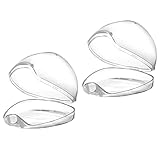
Keeps spare pacifiers cleaner in diaper bags, strollers, cars, and nursery drawers.
View on Amazon