

Crib bedding shopping should feel almost boring. That is the point. A safe infant sleep setup is not a styled nursery photo with pillows, quilts, bumpers, loungers, and decorative blankets. For a baby, the core setup is a firm, flat crib mattress with a snug fitted sheet. Everything else needs to earn its place outside the sleep space or be worn correctly by the baby, not added loose to the crib.
That still leaves parents with real choices. Fitted crib sheets vary in pocket depth, elastic strength, fabric feel, shrinkage, and how tightly they stay on the mattress after washing. Waterproof mattress pads can protect the mattress, but they still need to fit smoothly under the sheet without bunching. Wearable blankets and sleep sacks can replace loose blankets for warmth, but sizing, neck opening, arm design, fabric weight, zipper quality, and care instructions matter.
I would shop this category by fit first, then washability, then comfort. Cute prints are nice. They are not the job. The job is a sheet that stays put, a pad that does not wrinkle into a lump, and a wearable blanket that matches the baby’s size and room temperature without riding up toward the face.
Start with the safe-sleep baseline
The Consumer Product Safety Commission’s safe sleep guidance says bare is best: a crib, bassinet, or play yard should have nothing in it except a fitted sheet. The CPSC crib safety tips also tell parents to use only a fitted bottom sheet made for crib use. That means no loose blankets, pillows, sleep positioners, bumpers, stuffed toys, or decorative bedding in the crib for infant sleep.
The American Academy of Pediatrics gives similar guidance through HealthyChildren.org: babies should sleep on their backs on a firm, flat surface, and caregivers should keep loose bedding out of the sleep area. Its safe sleep article notes that a wearable blanket should fit correctly and not cover the baby’s head. That is the lens I would use for every product on this list.
For a broad product scan, compare crib sheets, waterproof mattress pads, and wearable blankets on Amazon. Use that scan to identify options, then verify sizing, fabric, care instructions, age and weight guidance, and recall status before buying.
Fitted crib sheets: snug beats stretchy
A good crib sheet should fit the mattress so tightly that the corners stay down after normal movement, washing, and remaking the bed. Stretch is useful only if it does not turn sloppy after a few laundry cycles. Check the product listing for crib mattress dimensions, pocket depth, elastic around the full edge, and whether the fabric is pre-shrunk or likely to tighten in the dryer.
Do not assume every sheet labeled standard fits every standard mattress equally well. Crib mattresses can have rounded corners, square corners, different heights, and different edge firmness. A sheet that barely reaches under the mattress may pop loose. A sheet with too much extra fabric can wrinkle. Neither is what you want in a sleep space.
Before a sheet becomes part of the regular rotation, wash and dry it once according to the label, put it on the actual mattress, and tug each corner. If a corner lifts easily, if the fabric tents near the edge, or if the sheet can slide under your hand, pick a better fit. The CPSC has also published a crib sheet safety alert telling caregivers to make sure crib sheets fit snugly and overlap the mattress so they cannot be pulled loose at the corner.
Fabric: cotton, jersey, bamboo blends, and flannel
Cotton percale tends to feel crisp and cool. Jersey feels softer and stretchier, more like a T-shirt. Bamboo-viscose blends can feel smooth, but the care label matters because some fabrics are more delicate. Flannel can be cozy in a cool room, but it may run too warm in a heated nursery or under a wearable blanket.
I would choose sheets based on the room, the baby, and the laundry routine. If the room runs warm, lightweight breathable sheets are easier to use year-round. If the baby spits up often, buy enough sheets that you are not stretching laundry between changes. If daycare or grandparents keep a crib, match the sheet style to that mattress too instead of assuming the home set will fit.
Skip sheets with loose trim, ties, ribbons, raised decorations, or anything that can detach. A crib sheet should be simple. Prints are fine when the fabric itself is smooth and the construction is plain.
Waterproof mattress pads: protect without adding bulk
A waterproof crib mattress pad or protector is there to catch leaks, spit-up, diaper blowouts, and overnight messes. It should not change the sleep surface into something pillowy. Look for a flat protector sized for crib mattresses, with secure corners or a fitted skirt, and check that the top stays smooth under the fitted sheet.
There are two common mistakes. The first is buying a pad that is too thick because it looks plush. The second is layering several pads and sheets until the surface feels soft or wrinkled. Infant sleep surfaces should stay firm and flat. If the pad creates raised edges, bunches, or a hammock effect, it is the wrong pad for sleep use.
Noise matters too. Some waterproof layers crinkle loudly every time the baby moves. That is not a safety issue by itself, but it can wake everyone. A better pad has a quiet waterproof layer, washable construction, and seams that do not curl after drying. Follow the manufacturer’s heat settings closely; high heat can damage waterproof backing and elastic.
How many sheets and pads do parents actually need?
For most homes, three fitted crib sheets is a practical starting point: one on the mattress, one clean backup, and one in the wash. For mattress pads, two is usually enough unless laundry is hard to run during the week. Families dealing with reflux, frequent leaks, or twins may want more.
I would rather buy fewer high-fit pieces than a bargain bundle that shrinks, pills, or comes loose. The frustrating night is not the one where the print is boring. It is the one where a sheet corner pops off at 2 a.m. and the backup sheet is still damp in the dryer.
Wearable blankets and sleep sacks
A wearable blanket is meant to provide warmth without loose bedding in the crib. It should fit like clothing, not like a loose bag near the face. Compare the manufacturer’s age, height, and weight range; the neck opening; armhole style; zipper placement; and whether the baby can move hips and legs comfortably.
The neck opening is worth special attention. If it is too large, the garment can ride up. If it is too tight, it can be uncomfortable. Shoulder snaps, zipper guards, and two-way zippers can make night changes easier, but only if the hardware is sturdy and covered so it does not rub the baby’s skin.
Do not use a wearable blanket as a fix for a room that is wildly too cold or too hot. Dress the baby for the room, check for overheating, and follow pediatrician guidance if your child was premature, has medical needs, or has unusual temperature regulation concerns. Avoid adding loose blankets over the sleep sack.
TOG ratings and room temperature
Many wearable blankets use a TOG rating to describe warmth. Lower TOG usually means lighter warmth; higher TOG means warmer. That does not make the rating universal across every brand, fabric, and baby. Use the brand’s own temperature chart, then check the baby for comfort during real nights.
Overheating is one of the reasons I would not buy the warmest option by default. A fleece sleep sack may be useful in a cool room but too much in a warm nursery. A light cotton sleep sack may be perfect in summer but not enough in winter. If the baby is sweaty, flushed, breathing fast, or has a hot chest, reassess layers and room conditions.
When in doubt, simple usually wins: a season-appropriate pajama, a correctly sized wearable blanket if needed, and a bare crib. Do not stack multiple sleep sacks or add loose covers because the packaging looked cozy.
Cleaning, stains, and fabric wear
Crib bedding takes a beating. Milk, formula, diaper leaks, drool, ointment, sunscreen residue, and hard-water detergent buildup can all leave marks. Look for machine-washable pieces with clear care instructions. If a sheet or sleep sack requires fussy special care, be honest about whether your household will follow it at midnight.
Wash crib sheets and wearable blankets before first use. Check seams, elastic, snaps, zippers, and waterproof backing after each wash for the first few cycles. If elastic relaxes, a zipper sticks, snaps loosen, or the waterproof layer cracks, retire the item from sleep use.
For stains, follow the label and avoid harsh residues that could irritate skin. Baby skin can be sensitive, and bedding touches the face, hands, and neck for long stretches. Fragrance-free detergent may be useful for some families, but the bigger rule is rinsed, dry, intact fabric.
Recall checks and secondhand bedding
Secondhand sheets and sleep sacks can look fine in a photo and still be poor choices. Elastic wears out. Zippers fail. Snaps loosen. Fabric stretches. Labels disappear. If you cannot identify the brand, size, material, and care instructions, skip it for sleep use.
Before buying used or accepting a hand-me-down wearable blanket, search the CPSC recall database by brand and product name. Recalls can involve choking hazards, loose components, entrapment concerns, or other product-specific issues. Also check the manufacturer’s website for current instructions and any safety notices.
I would be stricter with wearable blankets than with ordinary clothes. Anything with damaged zipper teeth, missing snaps, stretched neck openings, loose quilting, heavy pilling, torn seams, or unreadable labels should stay out of the crib.

How this fits with the rest of the nursery
Crib bedding connects to other nursery decisions. If you are dealing with diaper leaks, Baby Supply World’s guide to diaper pails, refill bags, and odor control can help with the cleanup side. If nighttime feeding gear piles up near the crib, the guide to feeding station organizers and bottle storage covers the storage problem. If nursery air feels dry, the guide to humidifiers, hygrometers, and cleaning supplies explains what to compare without turning the room into a maintenance project.
What I would buy first
I would start with three snug fitted crib sheets that fit the actual mattress after washing, two thin waterproof protectors that stay flat, and one or two wearable blankets matched to the baby’s current size and room temperature. I would avoid bedding bundles stuffed with quilts, bumpers, pillows, and decorative blankets for infant sleep. They may photograph well, but they are not what the safe-sleep guidance calls for.
The best purchase here is not the fanciest pattern. It is the set that makes safe setup easy on an ordinary tired night: fitted sheet tight, mattress pad flat, wearable blanket correctly sized, crib otherwise bare.
Recommended baby supplies
As an Amazon Associate, Baby Supply World earns from qualifying purchases.


Keeps tiny laundry, blankets, bibs, and nursery clutter from spreading across the room.
View on Amazon
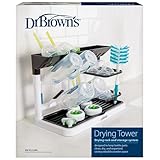
Helps bottles, pump parts, nipples, and small feeding pieces dry without taking over the counter.
View on Amazon

Simple audio monitoring is still useful for naps, travel, and backup nursery setups.
View on AmazonFAQ
Can a baby sleep on a waterproof crib mattress pad?
Yes, if the pad is made for crib mattresses, lies flat, stays secure, and is used under a snug fitted crib sheet. It should not make the surface soft, puffy, wrinkled, or loose.
Are wearable blankets safer than loose blankets?
A correctly sized wearable blanket can provide warmth without putting a loose blanket in the crib. It still has to fit the baby properly, stay below the face, match the room temperature, and follow the manufacturer’s instructions.
How tight should a crib sheet be?
It should fit snugly around the mattress with corners that stay down when tugged. If a corner pops up, the sheet wrinkles heavily, or the fabric can bunch under the baby, choose a better-fitting sheet.
Do I need a quilt, bumper, pillow, or decorative blanket for the crib?
No. For infant sleep, safety guidance points to a bare sleep space with a firm, flat mattress and a fitted sheet. Decorative bedding should stay out of the crib while the baby sleeps.
Disclosure: This post contains Amazon affiliate links. As an Amazon Associate, Baby Supply World may earn from qualifying purchases.
Safety note: This article is general shopping education, not medical advice. Follow manufacturer age guidance, weight limits, product instructions, installation rules, cleaning directions, recall notices, and your pediatrician’s advice for your child. Always supervise babies and toddlers around baby gear. For infant sleep, follow current safe-sleep guidance, use a firm, flat approved sleep surface, place babies on their backs, and keep loose bedding, pillows, bumpers, toys, cords, plastic packaging, cleaning supplies, standing liquids, and small parts out of children’s reach.