

Choosing a stroller gets easier when you start with the places you actually go. A full-size stroller may suit daily walks and a larger basket, a compact travel stroller may matter more on trains or in a small trunk, and a jogging stroller is built around a different wheel and handling setup. None is automatically the best choice for every family.
This guide compares full-size, travel, and jogging strollers by fold, fit, wheels, storage, cleaning, and age limits. A stroller is not a substitute for a properly fitted car seat, and the manufacturer’s instructions always determine which positions and accessories are allowed.
Start with your routes, storage, and lifting routine
List the surfaces you use most: smooth sidewalks, narrow store aisles, gravel paths, public transit, or stairs. Then measure the place where the stroller will live and the trunk opening where it will be loaded. A stroller can fold compactly but still be awkward to lift if the folded frame is wide or heavy.
Pay attention to the whole routine, not just the folded dimensions. Can you release the fold with one hand while holding a bag? Does the latch stay closed when the stroller is carried? Is the handle comfortable for the adults who will push it? A good match reduces daily friction without turning a convenience feature into a safety promise.
Compare full-size, travel, and jogging baby strollers on Amazon after checking the current dimensions, weight, included accessories, and age or weight limits.
Full-size strollers: comfort and everyday capacity
Full-size models often offer a roomier seat, a larger under-seat basket, adjustable handle options, and more recline positions. Those features can be useful for longer walks and errands, but they may add weight and make the fold larger. Compare basket access when the seat is reclined, not only when it is upright.
Look closely at the seat harness, footrest, canopy, and recline mechanism. The harness should adjust without leaving loose straps, and the recline should operate without pinching fingers. Confirm whether the model permits the seat to face forward, face a parent, or use a bassinet accessory—and the exact age and weight range for each configuration.
Travel strollers: compact does not mean universal
A travel stroller earns its space when you regularly navigate airports, elevators, transit, or a small vehicle. Compare the folded length, width, carry handle, wheel lock, and whether the folded frame can stand on its own. Small wheels may roll smoothly indoors but feel less forgiving on cracked sidewalks or grass.
Check the canopy coverage, recline depth, basket access, and padding as carefully as the fold. A very compact seat may be a poor fit for a taller child or a child who still needs a deeper recline. Read the manual before using a travel stroller for naps, and do not add a third-party head support, ride-on board, or hanging bag unless the maker specifically permits it.
Jogging strollers: wheels, brakes, and intended use
Jogging strollers typically use larger air-filled or air-like wheels and a fixed or lockable front wheel. That geometry can help on a maintained path, but it also changes turning and storage. Compare the wheel-lock control, hand brake, parking brake, wrist strap, and frame stability on the surfaces where you plan to use it.
Do not assume that a jogging label means the stroller is ready for running with a young infant. Follow the manufacturer’s minimum age, developmental, and accessory requirements exactly. Some models distinguish between walking and running use, and some require a particular seat or insert. If the manual does not clearly authorize an activity, treat that as a reason to ask the manufacturer rather than experiment.
Fit and age limits: read the manual, not the marketing
Check the minimum age, maximum child weight, height guidance, recline restrictions, and harness instructions for every seat mode. A deep recline is not automatically a newborn-safe sleep space, and a stroller accessory is not automatically approved for every frame. Use only the combinations listed by the manufacturer.
Before each outing, fasten the harness according to the manual, make sure the child is centered, and keep straps flat. Keep the stroller within sight and reach, use the parking brake when stopped, and never leave a child unattended. Keep the stroller away from stairs, pools, open flames, and moving vehicles.
The site’s baby carrier comparison covers a different way to carry a child and explains why fit and age limits should be checked separately. For home safety around the route to the door, see the babyproofing starter guide.
Cleaning, maintenance, and accessory fit
Stroller fabrics collect crumbs, sunscreen, and damp-weather grime. Check whether the seat pad is removable, whether the fabric is machine washable, and how the frame should be wiped. Let washed fabric dry completely before reinstalling it. Do not use a harsh cleaner, lubricant, or replacement part unless the manufacturer allows it.
Inspect wheels for embedded debris, test the parking brake, and look for loose fasteners, torn fabric, cracked plastic, or a harness that no longer adjusts securely. A stroller organizer, cup holder, snack tray, or rain cover can change balance or interfere with folding. Use only compatible accessories and keep heavy bags off the handle unless the manual specifically allows them.
Manufacturer instructions and recall checks
Save the model name, serial number, purchase date, and instruction manual. Search the U.S. Consumer Product Safety Commission recall database for the exact stroller and check the manufacturer’s safety notices before relying on an older or secondhand model.
If a recall or manufacturer notice says to stop using a stroller, follow the stated remedy. Do not substitute a universal harness, drill a new attachment point, repair a structural frame with household hardware, or keep using a stroller with a failed brake. A used stroller should come with all required parts and a clear model identity.

Which stroller type fits your household?
Choose a full-size model when daily comfort, basket capacity, and a broader range of adjustments matter most. Choose a travel model when compact storage and carrying weight are the recurring problem. Choose a jogging model only when its wheel, brake, age, and activity instructions match your actual routes and plans.
Before buying, write down the folded dimensions, lifted weight, seat limits, accessory rules, and cleaning method. That short checklist is more useful than a long feature list because it connects the stroller to your home, vehicle, and routine.
Recommended baby supplies
As an Amazon Associate, Baby Supply World earns from qualifying purchases.


Adds cup holders and quick-access pockets without replacing the stroller.
View on Amazon
Keeps diapers, wipes, bottles, and small essentials separated so parents can find them fast.
View on Amazon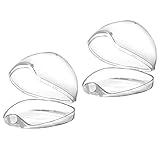
Keeps spare pacifiers cleaner in diaper bags, strollers, cars, and nursery drawers.
View on AmazonFAQ
Can a travel stroller replace a full-size stroller?
It can for some families, but compare the travel model’s seat fit, recline, basket, wheel performance, canopy, and permitted accessories with your everyday needs. A compact fold does not guarantee the same comfort or storage.
When can a baby ride in a jogging stroller?
Use the jogging stroller only within the manufacturer’s stated age, developmental, seat, and activity requirements. Do not run with a young infant or use an insert unless the maker specifically approves that configuration.
How do I know if a stroller fits my child?
Check the current manual for minimum age, maximum weight, height guidance, harness adjustment, recline limits, and footrest use. Fasten the harness as directed and stop using the stroller when the child exceeds any limit.
What should I inspect on a used stroller?
Confirm the model and recall status, then test the brake, wheel lock, fold latch, harness, recline, wheels, frame, and included parts. Do not use it if a structural component is cracked, a required part is missing, or the safety history is unclear.
Disclosure: This post contains Amazon affiliate links. As an Amazon Associate, Baby Supply World may earn from qualifying purchases.
Safety note: This article is general shopping education, not medical or child-safety advice and not a substitute for the exact manufacturer instructions or guidance from your child’s clinician. Follow current age, fit, harness, brake, activity, recall, and supervision requirements, and stop using damaged or recalled products.