

Babywearing can make a short walk, grocery trip, or hands-free household task easier, but the best carrier is the one you can fit, check, and use consistently. Soft wraps, ring slings, and structured carriers feel very different on an adult body. They also have different learning curves, adjustment points, cleaning needs, and limits for a growing child.
This guide compares those carrier types by fit, age and size guidance, comfort, cleaning, storage, and everyday use. A carrier is not a substitute for attentive supervision. Follow the exact instructions for your model, and stop using it if you cannot keep the child’s face visible, airway clear, and body supported.
Start with the routine you actually have
Before comparing fabrics or buckles, think about when you will use the carrier. A long walk may favor a structured waist belt and padded shoulder straps. A quick trip around the house may favor a soft wrap that packs small. A ring sling can be convenient for short carries and quick adjustments, but it still requires careful positioning and tightening.
Measure the adult fit range and consider who will share the carrier. A model that fits one caregiver well may need a substantial re-adjustment for another. Keep the carrier’s instructions nearby until each step is familiar, and practice over a clear surface with another adult available when learning a new style.
Compare baby wraps, ring slings, and structured carriers on Amazon, then confirm the exact model’s manual, size range, materials, and position limits before buying.
Soft wraps: flexible and compact
A soft wrap uses a long piece of fabric to create a close, adjustable carry. It can fit a wide range of adults and pack into a diaper bag, but the wrapping technique takes practice. Compare the fabric’s stretch, length, heat retention, washing instructions, and whether the maker provides step-by-step guidance for each carry position.
Fit is not just about feeling snug. The fabric should support the child according to the manufacturer’s instructions without covering the face or forcing the chin down toward the chest. Check the wrap after tying, whenever you change position, and after the child moves. A loose tail, twisted section, or slipped knot is a reason to stop and re-tie.
Ring slings: quick adjustments with a learning curve
A ring sling uses fabric threaded through rings so the wearer can tighten the pouch around the child. Compare the shoulder spread, ring position, fabric weight, and tail length. A wider shoulder spread can distribute pressure differently from a narrow one, while a long tail may offer adjustment room but can drag or become distracting.
Thread the rings exactly as shown in the manual. After placing the child, tighten in small sections so the fabric supports the back and bottom evenly. Keep the top edge secure while leaving the face visible and the airway unobstructed. Do not rely on a loose pouch or a dangling tail to hold a child in place.
Structured carriers: support and repeatable setup
Structured carriers usually have buckles, shoulder straps, a waist belt, and a shaped panel. They can be easier to repeat once adjusted, especially for longer outings, but the extra hardware takes more room and can create pressure points. Compare the adult waist range, shoulder adjustment, panel width and height, buckle placement, padding, and storage options.
Look for clear instructions on newborn, inward-facing, outward-facing, back-carry, and minimum weight positions. A carrier’s listed age range is not enough by itself: the child must meet the model’s weight and developmental requirements, and the panel must support the child’s body as directed. Do not improvise with an insert, pillow, blanket, or accessory unless the manufacturer specifically approves that combination.
Fit checks for every carrier type
Use a repeatable check before each carry. The child should be high enough for the adult to kiss the head without hunching, while the face remains visible and clear of fabric. The back should be supported, the bottom should sit in the carrier’s intended position, and the legs should follow the product’s instructions rather than being forced into a shape.
Watch for signs that the fit needs attention: fabric covering the nose or mouth, chin pressed to the chest, a slumped back, a child leaning away from the adult, loose straps, a twisted waistband, or buckles that are not fully engaged. Re-check after feeding, clothing changes, nursing, or moving from indoors to outdoors.
For a changing routine, the changing-pad and diaper-caddy comparison can help organize supplies without placing small items within a child’s reach. For outings, the stroller organizer guide covers another way to carry adult essentials while keeping the carrier’s straps and fit unobstructed.
Age, size, and position limits
Read the manual for the specific carrier rather than assuming that all wraps or all structured carriers work the same way. Minimum weights, maximum weights, newborn requirements, hip-position instructions, and outward-facing milestones vary. If the manufacturer requires an insert or a particular panel setting, use only the approved component and follow its instructions.
Children grow quickly, so a carrier that fit last month may need a new setting today. Check that the fabric or panel still supports the body without covering the face. As children become heavier, an adult may need a waist belt or different carry position for balance. Stop if the carrier causes pain, numbness, pressure, or loss of stable footing.
Cleaning, storage, and inspection
Follow the maker’s washing and drying directions, including limits on bleach, fabric softener, soaking, and heat. Remove crumbs and visible debris before washing. Let fabric dry completely before storage, and inspect seams, rings, buckles, webbing, elastic, snaps, and waist-belt stitching after cleaning.
Store a wrap or sling dry and away from pets that might chew the fabric. Keep a structured carrier where buckles will not be crushed under heavy items. Before lending or buying secondhand, check the model name and manual, look for missing parts or repairs, and inspect every load-bearing seam. A frayed strap, cracked buckle, stretched ring seam, torn fabric, or failed adjustment is a reason not to use it.
Safety and recall guidance
Use a carrier only for the positions and activities the manufacturer permits. Do not use it while driving, cycling, cooking over heat, handling hot drinks, or doing anything that could make a fall or burn more likely. Avoid loose blankets, bulky coats, pillows, or other additions that could cover the face or change the fit.
Save the model, lot number, purchase date, and manual. Check the U.S. Consumer Product Safety Commission recall database and the manufacturer’s support page for the exact carrier. If there is a recall, follow the maker’s remedy and stop using the carrier as directed. Manufacturer instructions take priority over a general shopping article.

Which carrier is the better match?
Choose a soft wrap if compact storage and a close, adjustable carry are your priorities and you are willing to practice. Choose a ring sling if quick adjustment and short carries matter, provided you are comfortable checking the threaded rings and pouch fit. Choose a structured carrier if repeatable buckles, longer outings, and adult support features fit your routine.
Whichever style you choose, buy from a source that provides the current manual, verify the exact child and adult fit, and practice before a busy outing. The carrier should make movement easier without making safety checks optional.
Recommended baby supplies
As an Amazon Associate, Baby Supply World earns from qualifying purchases.


Keeps diapers, wipes, bottles, and small essentials separated so parents can find them fast.
View on Amazon
Adds cup holders and quick-access pockets without replacing the stroller.
View on Amazon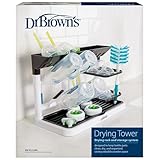
Helps bottles, pump parts, nipples, and small feeding pieces dry without taking over the counter.
View on AmazonFAQ
What is the easiest baby carrier to learn?
Many adults find a structured carrier easier to repeat after the straps and buckles are adjusted, while wraps and ring slings can require more hands-on practice. The easiest safe option is the one whose manual you can follow and whose fit you can check confidently.
How do I know if my baby’s face is clear in a carrier?
You should be able to see the child’s face, with the nose and mouth uncovered and the chin not pressed to the chest. Reposition or remove the child if fabric, clothing, or the adult’s body blocks the airway.
Can I use a carrier for a newborn?
Only if that specific carrier and position are approved for the child’s size and the manufacturer’s instructions explain the required setup. Check minimum weight and newborn-support requirements; do not add an unapproved insert or blanket.
How often should I inspect a baby carrier?
Inspect it before each use and after washing, lending, travel, or a hard pull on a strap. Pay special attention to load-bearing seams, rings, webbing, buckles, snaps, and adjustment points. Do not use a carrier with damage or missing parts.
Disclosure: This post contains Amazon affiliate links. As an Amazon Associate, Baby Supply World may earn from qualifying purchases.
Safety note: This article is general shopping education, not medical advice. Follow the exact manufacturer instructions, age and weight limits, and recall notices for your carrier. Keep the child’s face visible and airway clear, use only approved positions and accessories, and stop using any carrier that is damaged or does not fit securely.