

Pacifiers and teethers are small enough to disappear into a diaper bag, but important enough that you do not want them rolling around with crumbs, receipts, wipes, and spare socks. A simple pacifier case, teether pouch, or small clean-storage kit can make outings calmer because the soothing items stay easy to find and easier to keep clean.
This is not a fancy baby purchase. It is a practical one. The right storage piece should be washable, quick to open with one hand, big enough for the items your baby actually uses, and compact enough that it does not turn into another bulky thing you regret packing.
If you are comparing current options, this Amazon search for baby pacifier cases and teether storage bags is a practical place to compare silicone cases, zip pouches, clip-on containers, and travel organizers with the Baby Supply World affiliate tag applied.
What Matters Most
Start with clean separation. Pacifiers, teethers, and small feeding items should not sit loose in the bottom of a diaper bag. A dedicated case keeps clean items separate from used ones, and it makes it easier to spot what needs washing when you get home.
Size matters more than it looks. A tiny single-pacifier case is great for a stroller walk, but it may be too limited for daycare drop-off, long errands, or travel days. A slightly larger pouch can hold two pacifiers, a teether, and a small burp cloth without becoming a full packing cube.
Think about how you use pacifiers and teethers in real life. If you often need one while holding the baby, a clip-on case or wide zipper pull may be easier than a stiff container. If you mostly pack extras for daycare or grandparents, a labeled pouch may be more useful than something that hangs from the stroller.
Safety And Everyday Use Considerations
Pacifier and teether storage should make clean habits easier, not replace them. Follow the manufacturer’s cleaning directions for pacifiers, teethers, and cases, and separate dropped or used items from clean backups when you can. If a teether is cracked, sticky, torn, or hard to clean, replace it.
Be careful with clips, cords, straps, and anything that attaches near a baby. Use pacifier clips only as directed, never during sleep, and check length, fasteners, and wear. Storage cases should stay with the adult or in the bag when they are not being used.
Look closely at materials. Food-grade silicone is popular because it is flexible and easy to rinse, but some families prefer fabric pouches that can go through the laundry. Hard plastic cases can protect the shape of pacifiers, but hinges and snap closures should feel sturdy enough for repeated use.
Features Worth Comparing
Clean and used sides: Some pouches have two sections, which is useful when a pacifier hits the floor and you still need to keep a clean backup separate.
Washability: Silicone cases are often easy to rinse, while fabric pouches may need a machine wash. Check whether the case can dry fully so moisture does not get trapped inside.
Closure style: Zippers, snaps, magnetic closures, and drawstrings all feel different when you are handling a baby. Choose the style you can open quickly without dumping everything out.
Attachment options: A stroller loop or diaper-bag clip can be helpful, especially for walks and travel. Just make sure it does not dangle where the baby can tug on it unsafely.
Capacity: A single case works for quick trips. A larger pouch makes more sense if you pack multiple pacifiers, teethers, a medicine pacifier, or small feeding accessories.
Labels or clear panels: Daycare and grandparent bags are easier when the storage pouch is easy to identify. A simple name label can prevent mix-ups.


When This Item Makes Sense
Pacifier and teether storage makes the most sense for diaper bags, stroller walks, daycare cubbies, travel days, car bags, and grandparent houses. It is especially useful once your baby has a clear favorite pacifier or teether and losing it turns a normal errand into a full family search operation.
This is also a smart small registry add-on. New parents often register for the bigger items first and forget the little systems that keep daily care organized. If you are building a realistic list, Baby Supply World’s baby shower registry planning guide can help balance essentials with useful extras.
For outings, treat pacifier storage as part of the larger diaper-bag setup. It pairs naturally with wipes, bibs, burp cloths, a change of clothes, and a wet bag. Our diaper bags buying guide is a good companion if your current bag feels like a black hole.
What To Skip
Skip cases that are hard to clean, too small for your actual pacifiers, or so stiff that you avoid using them. Also skip anything with loose decorations, weak seams, or complicated closures that slow you down when the baby is upset.
Do not overbuy either. Many families only need one small case for the main diaper bag and one backup pouch for daycare or travel. The best setup is the one you will actually refill, wash, and keep in the same place.
Recommended baby supplies
As an Amazon Associate, Baby Supply World earns from qualifying purchases.


Keeps diapers, wipes, bottles, and small essentials separated so parents can find them fast.
View on Amazon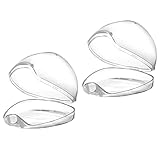
Keeps spare pacifiers cleaner in diaper bags, strollers, cars, and nursery drawers.
View on Amazon

Keeps tiny laundry, blankets, bibs, and nursery clutter from spreading across the room.
View on AmazonFAQ
How many pacifiers should I keep in a diaper bag?
Two is a practical number for many outings: one to use and one clean backup. For travel, daycare, or a baby who strongly prefers one style, packing an extra can prevent a lot of stress.
Are silicone pacifier cases better than fabric pouches?
Silicone cases are easy to rinse and often hold their shape well. Fabric pouches can be lighter and easier to fit into tight bag pockets. The better choice depends on how you clean and pack your baby gear.
Can pacifiers and teethers go in the same case?
They can if the case is clean and roomy enough, but separate sections are helpful. Used teethers can get wet or messy, so keeping clean pacifiers apart is usually smarter.
What should I look for in a travel teether pouch?
Look for a washable material, a secure closure, enough room for the teether to dry, and a shape that fits your diaper bag. A pouch that opens wide is easier to clean and pack.
Should pacifier cases be sterilized?
Follow the manufacturer’s directions. Some cases can be washed or sanitized more aggressively than others, and heat can damage certain plastics, fabrics, or closures.
Safety note: This article is general shopping education. Always follow manufacturer age guidance, safety instructions, cleaning directions, recall notices, and pediatrician advice for your baby.
Disclosure: This post contains Amazon affiliate links. As an Amazon Associate, Baby Supply World may earn from qualifying purchases.