

Baby laundry gets complicated quickly. One load may contain milk-stained onesies, damp bibs, tiny socks, sleepwear, and a wash bag holding pieces that could disappear in the drum. A detergent, stain brush, or mesh bag can help, but the best setup is the one that fits your fabrics, washer, storage space, and the instructions on each garment.
Use this guide to compare baby laundry detergents, stain-removal tools, and wash bags by ingredients, fit, cleaning routine, age, and practical safety. “Baby” on a label is not a substitute for reading the care label or the product directions.
Start with the laundry problem you actually have
Before buying a new product, look at a normal week’s hamper. If the main issue is milk or food residue, a detergent that rinses well and a pretreatment routine may matter more than a specialty scent. If socks, bib fasteners, or small cloths vanish in the washer, a zippered mesh bag may be the more useful purchase. If stains are the recurring problem, a soft brush with a comfortable grip can make spot treatment easier.
Make a short list of the fabrics you wash most often: cotton jersey, muslin, fleece, wool blends, waterproof layers, and items with elastic or snaps. The CDC’s infant-feeding cleaning guidance is specific to feeding items, but its broader lesson is useful here too: follow the item’s instructions, clean promptly, and let washable items dry completely.
For a shopping shortlist, compare baby laundry detergents, stain removers, and mesh wash bags on Amazon. Check the ingredient and care information on the current listing before choosing.
Baby laundry detergents: compare the routine, not the front label
Compare detergents by the kind of load they need to handle and by how easily you can measure them. A concentrated liquid can save shelf space but is easy to overpour. A powder may store neatly but needs to dissolve well in your water temperature and washer. Pods can be convenient for adults, yet they require especially careful locked storage because the concentrated contents are dangerous if a child bites or handles one.
Fragrance-free and hypoallergenic are not interchangeable guarantees, and a “natural” label does not tell you how a particular baby will respond. If your child has eczema, allergies, or a clinician-directed laundry plan, ask the clinician what to use. Otherwise, start with a small load, follow the dosage, and watch for residue or skin irritation rather than assuming more detergent means cleaner clothes.
Use the washer’s recommended cycle and the garment care label together. Extra rinsing can be useful for some households, but it cannot correct a product that is incompatible with the fabric or an overloaded drum. Do not mix cleaners unless the manufacturer specifically says the combination is safe.
Stain removers and brushes: gentle control beats aggressive scrubbing
Milk, formula, spit-up, food, and diaper leaks call for different approaches. Remove solids first, blot instead of grinding them into the fabric, and check the garment label before applying a pretreatment. Test a hidden area when colorfastness is uncertain. A soft natural- or synthetic-bristle brush can help on sturdy cotton, while delicate knits may need only a gentle squeeze and rinse.
Look for a brush with smooth edges, a handle you can keep clean, and bristles that match the fabrics you own. A narrow brush may reach around snaps and seams, but it can be too aggressive if you press hard. A wide brush covers a bib quickly but may not fit into small corners. Rinse the tool after use and let it dry; a damp brush stored in a closed caddy can develop its own odor.
Do not combine chlorine bleach, ammonia, acidic products, or other cleaners as a home experiment. Keep all stain removers in their original containers, follow the label, and store them where children cannot reach them. If a stain remains after washing, avoid high heat until you know the mark is gone because heat can set some stains.
Mesh wash bags: check the opening, zipper, and load size
A wash bag is useful for small clothing and accessories that need to stay together. Compare the mesh opening, zipper guard, seam quality, and size. A very fine mesh may protect tiny pieces but can restrict water flow when packed tightly. A large bag may fit more, but a crowded bundle can prevent detergent and rinse water from reaching every surface.
Choose a bag that fits comfortably in your washer without wrapping around the agitator or blocking the door seal. Close the zipper fully and inspect it before every load. A broken pull, torn seam, or sharp exposed edge is a reason to retire the bag. Do not put items in a bag if their care labels prohibit machine washing, and do not use the bag as long-term storage for damp laundry.
Sort the contents loosely. Keep socks, bibs, and small cloths together when that helps, but do not use one overstuffed bag for every type of fabric. Turn printed garments inside out only when the care instructions allow it, and remove anything that needs a separate temperature or drying method.
Fit, age, and household storage
Newborn laundry may be frequent and small, while an older baby adds food stains, outdoor dirt, and larger sleepwear. A compact detergent bottle and one medium wash bag may suit the early months; later, a larger hamper system and separate stain station may save more time. Buy for the next stage you can reasonably predict, but do not stockpile a product before you know it works for your fabrics and your child’s skin.
Keep detergent, stain products, brushes, and wash bags away from cribs, changing surfaces, and play areas. Store concentrated products high, secured, and in their original packaging. A wash bag’s zipper and a stain brush are not toys. The guide to changing pads, washable covers, and diaper caddies can help if laundry supplies are sharing a changing area.
For sleepwear and bedding, use the garment’s size, fiber, and heat directions rather than relying on a general baby-laundry rule. The guide to crib sheets, waterproof mattress pads, and wearable blankets covers another set of wash and fit decisions that often gets mixed into the same load.
Cleaning, fit, and care checks before you buy
Measure the shelf or cabinet where the detergent will live. Check that the wash bag fits your washer’s drum and that the brush can dry in an open, washable spot. Read whether the bag is intended for delicate items, whether the brush is dishwasher safe, and whether the detergent is compatible with high-efficiency machines. Product pages change, so confirm current directions on the package and manufacturer’s site.
Rinse detergent caps and wipe spills promptly. Empty wash bags after the cycle, open them fully, and dry them before the next load. Clean a brush according to its instructions and replace it when bristles shed, the handle cracks, or residue cannot be removed. These small habits matter more than buying the most elaborate organizer.
Manufacturer guidance and recalls
Keep the product name, lot or model information, and purchase date for detergents, brushes, and wash bags. Check the U.S. Consumer Product Safety Commission recall database and the manufacturer’s support page, especially for products with child-resistant closures, electrical components, or a defect notice.
Stop using a detergent container with a damaged cap, a wash bag with a torn seam, or a brush with exposed sharp material. Do not pour cleaner into an unlabeled bottle, remove a child-resistant closure, or improvise a stronger mixture. If a product is recalled, follow the maker’s return or disposal instructions rather than continuing to use it because it appears fine.

A simple baby-laundry buying checklist
Choose detergent by dosage, rinse behavior, machine compatibility, and your household’s skin needs. Choose a stain tool by fabric sensitivity and how easily it can be cleaned. Choose a wash bag by size, mesh, zipper protection, and load fit. Then make storage part of the purchase: every product should have a dry, secure place where a child cannot reach it.
Recommended baby supplies
As an Amazon Associate, Baby Supply World earns from qualifying purchases.


Keeps tiny laundry, blankets, bibs, and nursery clutter from spreading across the room.
View on Amazon
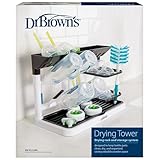
Helps bottles, pump parts, nipples, and small feeding pieces dry without taking over the counter.
View on Amazon
Useful on changing tables, in diaper stations, and anywhere wipes dry out too quickly.
View on AmazonFAQ
Should I use fragrance-free detergent for baby clothes?
Fragrance-free can be a reasonable starting point, but it is not a universal medical requirement or guarantee. Follow the garment and detergent directions, and ask your child’s clinician about eczema, allergies, or a prescribed laundry routine.
Can I wash baby clothes in a mesh wash bag?
Yes, when the garment care label allows machine washing and the bag is not overfilled. Close the zipper, leave room for water to move through the bundle, and remove the clothes promptly so they can dry fully.
How should I treat a stain on a baby onesie?
Remove solids, blot or rinse according to the fabric instructions, and test any pretreatment on a hidden area first. Wash as directed and avoid high heat until you know the stain is gone. Never mix cleaning products.
Where should baby laundry products be stored?
Keep detergent and stain products in their original containers, secured and out of a child’s reach. Store brushes and wash bags dry and away from cribs, changing surfaces, and play areas.
Disclosure: This post contains Amazon affiliate links. As an Amazon Associate, Baby Supply World may earn from qualifying purchases.
Safety note: This article is general shopping education, not medical advice. Follow every garment, detergent, stain-product, washer, and wash-bag manufacturer’s instructions. Keep concentrated cleaners and small laundry accessories away from children, and ask your baby’s clinician about special skin or allergy needs.