

Baby bottle drying racks, dishwasher baskets, and countertop sterilizer accessories solve different parts of the same daily problem: keeping feeding pieces clean, separated, and fully dry. A drying rack gives wet parts a dedicated place. A dishwasher basket keeps small pieces from disappearing into the filter or heating element. A sterilizer may add a heat or steam cycle when the manufacturer allows it.
The useful choice is not automatically the largest rack or the most complicated appliance. Match the setup to your bottles, pump parts, counter space, dishwasher, cleaning routine, and the age and health needs of your baby. Then follow the bottle and accessory manufacturers’ instructions for every material and temperature limit.
Start with the parts you actually wash
Make a quick inventory before shopping. Count bottles, collars, nipples, caps, valves, breast-pump connectors, storage cups, and any small vent pieces used in a normal day. A rack with tall posts may hold bottles well but leave nowhere for flat lids. A basket with wide openings may protect caps while letting narrow nipples slip through.
Disassemble each item as far as its instructions allow before washing. The CDC’s guidance for cleaning infant feeding items emphasizes cleaning parts promptly, using a clean basin or dishwasher method as appropriate, and letting pieces air-dry completely. Use the product manual to resolve differences for a particular bottle, pump, silicone part, or sterilizer.
For a shopping shortlist, compare baby bottle drying racks, dishwasher baskets, and sterilizer accessories on Amazon. Check dimensions and care instructions on the listing, then confirm them against the manufacturer’s current documentation.
Drying racks: open airflow and easy sorting
A countertop rack is useful when you hand-wash frequently or want feeding parts separate from family dishes. Look for enough height for your tallest bottle, stable feet, a tray that catches water, and posts or pegs sized for nipples, collars, and valves. A removable tray is easier to empty and clean than a deep base that stays wet under the parts.
Airflow matters more than decoration. Parts should sit open and separated rather than nested together. If a rack forces a nipple against a cap or leaves a valve face-down in pooled water, it may slow drying. Choose a layout that lets you see every small piece before it returns to a drawer.
Measure the counter and the cabinet clearance above it. Some racks have upright branches that make a compact footprint but need extra vertical room. If the rack has a reservoir, drain it as often as the instructions say and wash the tray with the approved soap. Do not treat a drying rack as a storage bin for wet parts.
Dishwasher baskets: protect the small pieces
A dishwasher basket is designed to keep nipples, valves, caps, and other small parts contained during a cycle. Its value depends on the openings: water and detergent need to reach the parts, but the pieces should not fall through or touch a heating element. Read the dishwasher and feeding-item instructions together because “dishwasher safe” does not always mean every rack position or drying setting is appropriate.
Look for a secure lid, smooth edges, ventilation, and a shape that fits your dishwasher without blocking the spray arm. A basket that rolls into a corner or opens during the cycle can scatter parts and leave them dirty. Do not overload it. Crowding can shield surfaces from water and make it hard to tell whether a valve or nipple was cleaned.
Some families use a basket for the dishwasher and a rack for air-drying. That can be practical, but keep the clean pieces in one defined area. Avoid placing washed parts directly on a kitchen towel that has been used for other tasks, and do not seal pieces in a container while they still feel damp.
Countertop sterilizer accessories: useful only within their limits
Steam sterilizers and sterilizer-dryer combinations can add a repeatable step, but they do not replace washing. Food residue still needs to be removed first. Follow the appliance manual for water type, load arrangement, cycle length, descaling, and which plastics or silicone parts are approved.
Check the footprint, cord placement, water reservoir, and drying method before buying. A larger chamber may fit more bottles, but it also takes longer to empty and clean. A small appliance may suit a newborn routine and become frustrating when you add pump parts or toddler cups. Look for removable trays and clear instructions for steam vents, seals, and mineral buildup.
Never open a hot steam appliance over a child, reach into it before the cycle ends, or improvise a load with parts the maker excludes. Keep cords and hot surfaces away from the edge of the counter. A sterilizer accessory is a convenience tool, not a reason to ignore basic burn, electrical, or food-safety precautions.
Fit, materials, and cleaning details
Compare polypropylene, silicone, stainless steel, and wood or bamboo components by the care they require. Soft silicone can hold onto greasy residue if it is crowded. Clear plastic makes residue easy to spot but may cloud or wear with certain detergents and heat cycles. A wood insert may look attractive while needing a completely different cleaning and drying routine.
Inspect seams, hinges, drainage holes, and corners. A basket with a narrow hinge channel can trap milk film. A rack with a textured tray can collect water under a valve. Choose pieces that can be taken apart where the manufacturer permits and that you can inspect without a flashlight.
Baby Supply World’s guide to bottle warmers and portable feeding preparation covers the other side of the feeding station. If the counter is shared with diaper supplies, the guide to changing pads, washable covers, and diaper caddies can help separate clean feeding parts from changing items.
Age, health, and daily routine
Newborn routines can involve frequent washing, while an older baby’s schedule may include cups, snack containers, and fewer bottles. Buy for the pieces you will handle most often over the next stage, not only for today’s smallest load. If your baby was born prematurely, has a weakened immune system, or has specific medical feeding instructions, ask the baby’s clinician which cleaning and sanitizing steps to follow.
Keep clean, dry parts away from pets, raw food, used towels, and the sink basin. Once a child can reach the counter, move small nipples, valves, and hot appliances out of reach. A rack full of tempting parts is not a safe toy or a substitute for supervision.
Recalls and manufacturer guidance
Save the brand, model number, date code, and purchase record for the rack, basket, and appliance. Check the U.S. Consumer Product Safety Commission recall database and the manufacturer’s support page before buying used equipment or replacement parts. A recall can apply to a lid, hinge, electrical component, or accessory even when the main product looks normal.
Do not use a cracked basket, warped rack, damaged cord, loose heating plate, or accessory with a missing safety part. Replace it through the manufacturer when possible. Do not drill extra holes, add an unapproved insert, or use a household container inside a steam appliance because it appears to fit.

A practical buying checklist
Choose a drying rack if open airflow and a dedicated counter zone solve your main problem. Add a dishwasher basket if small pieces are getting lost or scattered. Consider a sterilizer only when its cycle, capacity, cleaning routine, and approved materials fit your household. In every case, prioritize stable construction, visible drainage, easy inspection, and instructions you will actually follow when the sink is full.
Recommended baby supplies
As an Amazon Associate, Baby Supply World earns from qualifying purchases.

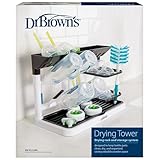
Helps bottles, pump parts, nipples, and small feeding pieces dry without taking over the counter.
View on Amazon
Bundles small health and grooming tools parents usually need at inconvenient times.
View on Amazon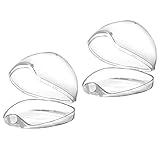
Keeps spare pacifiers cleaner in diaper bags, strollers, cars, and nursery drawers.
View on AmazonFAQ
Do baby bottles need a special drying rack?
Not necessarily. A clean, dedicated area with good airflow can work, but a purpose-built rack may keep bottles and small parts separated and make drainage easier. Follow the bottle maker’s cleaning instructions and let pieces air-dry fully before storage.
Can bottle nipples go in a dishwasher basket?
Only when the nipple and dishwasher instructions allow it. Use a basket that keeps the nipple away from the heating element and does not crowd the parts. Check each piece after the cycle for residue, warping, or damage.
Does a sterilizer replace washing baby bottles?
No. Washing removes milk and formula residue; a permitted sanitizing or steam cycle is an additional step. Follow the sterilizer’s load, water, temperature, and maintenance directions, and do not steam parts the manufacturer excludes.
How should I clean a bottle drying rack?
Empty standing water, separate removable pieces if the instructions permit, and wash the rack and tray with the approved soap and water. Rinse and let every surface dry before putting clean feeding parts on it. Replace the rack if cracks or hard-to-clean buildup remain.
Disclosure: This post contains Amazon affiliate links. As an Amazon Associate, Baby Supply World may earn from qualifying purchases.
Safety note: This article is general shopping education, not medical advice. Follow the specific manufacturer’s cleaning, drying, sanitizing, electrical, age, and recall guidance for every feeding item. Ask your baby’s clinician about special cleaning needs, and keep hot appliances and small parts away from children.