

A stroller organizer sounds like a small accessory until you are trying to hold a bottle, find wipes, answer a text, and keep a toddler snack from rolling under the seat. The right setup keeps the things you reach for most often in one predictable spot without turning the stroller handle into a swinging junk drawer.
This guide focuses on stroller organizers, snack trays, cup holders, and small add-ons that make walks, errands, daycare drop-off, and travel days less chaotic. The goal is not to load the stroller with every accessory possible. It is to choose pieces that match your stroller, your daily routine, and the way your child actually rides.
What Matters Most
Start with fit. Some organizers are universal, but “universal” usually means adjustable straps, not perfect compatibility. Measure the handlebar or frame area where the organizer will sit, then check whether your stroller has one continuous handlebar, two separate handles, a center brake, a folding latch, or a parent console that already uses that space.
Next, look at stability. A good organizer should stay put when the stroller turns, rolls over a curb cut, or folds for the car. Wide hook-and-loop straps, buckle straps, or reinforced attachment points are usually more reliable than thin ties. If the organizer slides toward one side during a short walk, it will be annoying on a full day out.
Storage layout matters more than total pocket count. Two sturdy cup spots, a wipes pocket, one zippered compartment, and an open middle section are often more useful than a maze of tiny sleeves. Parents usually need quick access to a water bottle, pacifier case, burp cloth, snack pouch, keys, phone, and maybe hand sanitizer. If you carry larger supplies, a diaper bag or stroller basket still does the heavy lifting.
If you are comparing options now, a focused Amazon search for stroller organizers with cup holders and snack trays is a useful way to see the common layouts side by side.
Safety And Everyday Use Considerations
The biggest mistake is hanging too much weight from the handlebar. Heavy bags, full bottles, and packed organizers can change how a stroller balances, especially when the child gets out. Follow your stroller manufacturer’s accessory and weight guidance, and keep heavier items low in the basket when possible.
Check folding clearance before committing. Some organizers need to be removed before the stroller folds; others can stay attached but may press against the seat fabric or wheels. If you load and unload the stroller daily, this detail matters. A removable organizer with a shoulder strap can be handy for daycare and quick errands, but only if the attachment system is easy enough that you will actually use it.
For snack trays, make sure the tray is designed for your stroller model or clearly lists compatibility. A tray should latch firmly, sit at a comfortable height, and not interfere with the stroller harness. It should also be easy to wipe clean, because crumbs and puree have a gift for finding every corner.
Cup holders deserve the same practical check. Tall bottles, coffee cups, and straw cups all behave differently on bumpy sidewalks. Deep cup wells, flexible grips, and a location away from the child’s hands are worth looking for. Avoid placing hot drinks where spills could reach your child.
Features Worth Comparing
Attachment style: Adjustable straps are the most common and work well on many strollers. Clamp-style cup holders can be useful when the handlebar is crowded, but they need the right frame shape and enough clearance.
Insulated sections: Insulated cup pockets can slow down warming or cooling, but they are not a substitute for proper bottle storage. Use them for short outings, not all-day temperature control.
Zippered storage: A zippered pocket is worth it for keys, cards, earbuds, or a small wallet. Open pockets are faster, but they are also easier to dump when the stroller is folded or lifted into the car.
Wipe-clean materials: Nylon, coated fabric, and faux leather are easier to maintain than absorbent fabric. Light interiors make it easier to find small items, while darker exteriors hide scuffs.
Phone placement: Some organizers include a clear phone pocket. That can be convenient for a map or playlist, but check whether it fits your phone with the case on and whether glare makes the screen hard to read.
Snack tray cleanup: Removable trays and dishwasher-safe inserts are easier to keep clean. Smooth corners beat deep grooves. If the tray has a cup recess, make sure your child’s cup actually fits.
Stroller fold: Any accessory that has to come off before every fold adds friction. That is not a dealbreaker, but it should be a conscious tradeoff.


When A Stroller Organizer Makes Sense
A stroller organizer makes the most sense when you take frequent short trips and want essentials within arm’s reach. It is great for neighborhood walks, preschool pickup, farmers markets, and travel days when you need fast access without opening the main diaper bag every five minutes.
It is less important if your stroller already has a strong parent console or if you prefer carrying everything in a backpack diaper bag. In that case, a single add-on cup holder or snack tray may be enough. For families using compact travel strollers, keep the accessory setup lean so the stroller still folds quickly and stays easy to carry.
Parents who are building out a more complete stroller setup may also want to compare related gear. Baby Supply World recently covered diaper bags with changing pads and stroller clips, which is helpful if you need more storage than an organizer can handle. For feeding away from home, the guide to baby booster seats and travel high chairs pairs well with snack tray shopping.
A Simple Buying Checklist
- Confirm the organizer fits your stroller handlebar or frame style.
- Check the stroller manufacturer’s guidance before hanging weight from the handle.
- Choose pocket layouts around your daily essentials, not the highest pocket count.
- Look for wipe-clean materials and easy crumb removal.
- Make sure cup holders are deep and stable enough for your bottles or cups.
- For snack trays, confirm stroller compatibility and harness clearance.
- Test whether the stroller still folds the way you need it to.
Recommended baby supplies
As an Amazon Associate, Baby Supply World earns from qualifying purchases.


Keeps diapers, wipes, bottles, and small essentials separated so parents can find them fast.
View on Amazon
Adds cup holders and quick-access pockets without replacing the stroller.
View on Amazon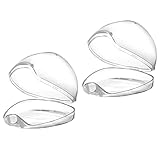
Keeps spare pacifiers cleaner in diaper bags, strollers, cars, and nursery drawers.
View on AmazonFAQ
Are stroller organizers safe to use?
They can be safe when used within the stroller manufacturer’s guidelines. Avoid overloading the handlebar, keep heavy items in the lower basket, and remove anything that affects folding, steering, or balance.
Do universal stroller organizers fit every stroller?
No. Universal usually means the straps are adjustable. Handlebar shape, brake placement, folding latches, and stroller width can still affect fit, so check measurements and reviews from parents using a similar stroller.
Is a snack tray better than a stroller organizer?
They solve different problems. A snack tray gives the child a surface for snacks and a cup. A stroller organizer keeps parent essentials close. Many families use one or the other depending on the outing.
Can I leave a stroller organizer attached when folding the stroller?
Sometimes. It depends on the stroller and organizer design. Test the fold with the organizer empty first, and remove it if it strains fabric, blocks the latch, or makes the stroller harder to secure.
What should I keep in a stroller organizer?
Good everyday items include a water bottle, wipes, pacifier case, small snack, keys, phone, burp cloth, and hand sanitizer. Keep heavier supplies in the stroller basket or diaper bag.
Disclosure: This post contains Amazon affiliate links. As an Amazon Associate, Baby Supply World may earn from qualifying purchases.
Safety note: This article is general shopping education. Always follow manufacturer age guidance, safety instructions, product recalls, and your pediatrician’s advice.