

Leaving the house with a baby gets easier when the diaper bag has a real system instead of one big pocket full of loose wipes, spare socks, and mystery crumbs. Travel changing pads, packing cubes, and wet/dry bags are not exciting baby gear, but they solve the exact little problems that make errands feel longer than they should.
The best setup depends on how you actually leave the house. A quick grocery run, a day at grandma’s, daycare drop-off, and a flight all need different levels of organization. The goal is not to carry half the nursery. The goal is to know where the clean outfit is, keep messy items contained, and have a changing surface ready when the public restroom setup is less than ideal.
What matters most
Start with the items that make diaper changes and outfit changes faster. A good travel kit should be easy to refill, easy to clean, and simple enough that any caregiver can understand the layout without unpacking everything.
- Wipe-clean surfaces: Changing pads should handle small messes without needing a full wash every time.
- Right-size compartments: Packing cubes should fit your diaper bag without stealing room from bottles, snacks, or blankets.
- Sealed storage: Wet/dry bags are useful for damp clothes, used bibs, spit-up cloths, and other messy surprises.
- Fast access: Diapers, wipes, cream, and a fresh outfit should be reachable without digging through every pocket.
- Refill routine: The best organizer is the one you can restock quickly after each outing.
For a practical starting point, compare baby travel changing pads, diaper bag packing cubes, and wet/dry bags on Amazon. Look closely at folded size, cleaning instructions, zipper quality, waterproof lining, and whether the pieces fit the bag you already use.
Safety and everyday use considerations
A travel changing pad should give your baby a clean surface, but it still needs to be used on a stable, supervised area. Public changing tables, car trunks, stroller bassinets, and benches all have different risks. Keep one hand near your baby during changes, and do not rely on a pad or organizer to make an unsafe surface safe.
Wet bags and packing cubes also need regular cleaning. Anything that holds damp fabric can smell or grow mildew if it stays zipped in the diaper bag for days. Empty messy bags as soon as you get home, wash or wipe them according to the label, and let them dry fully before repacking.
Features worth comparing
Most diaper bag accessories look tidy in product photos. The real test is whether they save time during a rushed change, fit your everyday bag, and survive repeated cleaning.
- Foldable changing pads: Compare folded thickness, unfolded length, padding, wipe-clean coating, and whether there are pockets for diapers and wipes.
- Diaper bag packing cubes: Look for mesh windows, labeled colors, smooth zippers, and shapes that stack cleanly in your bag.
- Wet/dry bags: Check waterproof lining, snap handles, separate clean and dirty compartments, and machine-wash guidance.
- Wipes pouches: A good pouch should open one-handed, seal well, and fit the wipes brand you use most often.
- Small accessory cases: Pacifier cases, snack cups, and medicine pouches help only if they stay easy to clean and do not become extra clutter.
Related Baby Supply World guides that pair naturally with this setup include baby health and grooming supplies, nursery organization bins and changing station storage, and baby shower registry starter kits.


When this item makes sense
This kind of travel setup makes sense if you change diapers away from home often, share one diaper bag between caregivers, use daycare, travel with a stroller, or regularly pack backup clothes. It is also helpful for parents who like having one grab-and-go changing kit that can move from diaper bag to car to stroller basket.
It may be overkill if most outings are very short or if your current diaper bag already has excellent built-in compartments. In that case, start with one wet/dry bag and one better changing pad before buying a full organizer set. A smaller upgrade can be enough.
A practical buying approach
Pack by scenario instead of by fear. For a short errand, you may only need diapers, wipes, cream, a small changing pad, and one spare outfit. For a full day, add a larger wet bag, feeding supplies, a light blanket, backup bibs, extra clothes, and a small cleanup pouch.
After each outing, reset the bag before you forget what got used. Replace diapers, refill wipes, empty the wet bag, and return the packing cube to the same spot. That ten-minute habit is what makes the gear pay off the next time everyone is trying to get out the door.
Recommended baby supplies
As an Amazon Associate, Baby Supply World earns from qualifying purchases.


Keeps diapers, wipes, bottles, and small essentials separated so parents can find them fast.
View on Amazon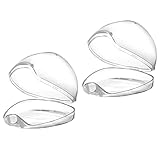
Keeps spare pacifiers cleaner in diaper bags, strollers, cars, and nursery drawers.
View on Amazon

Keeps tiny laundry, blankets, bibs, and nursery clutter from spreading across the room.
View on AmazonFAQ
Do parents need a separate travel changing pad if the diaper bag includes one?
Sometimes yes. Built-in pads can be small or thin, while a separate pad may offer better wipe-clean material, pockets, or enough length for everyday outings.
Are wet/dry bags worth packing for short errands?
They can be useful even on quick trips because they give you a sealed place for damp clothes, used bibs, burp cloths, or messy backup outfits.
What should go in a diaper bag packing cube?
A practical cube usually holds one complete outfit, a bib or burp cloth, socks, and a small backup layer. Keeping it bundled makes changes faster.
How many diapers should parents pack for a day out?
A common rule is one diaper for every two to three hours away from home, plus one or two extras. Newborns and long travel days may need more.
Disclosure: This post contains Amazon affiliate links. As an Amazon Associate, Baby Supply World may earn from qualifying purchases.
Safety note: This article is general shopping education. Follow manufacturer age guidance, safety instructions, recall notices, and your pediatrician’s advice for your child and home.