

Teething gear is one of those baby categories that looks small until you are shopping at 11 p.m. with a fussy infant on your shoulder. There are silicone rings, freezer teethers, pacifier clips, fruit-shaped toys, mitt-style teethers, wooden shapes, and little cases that promise to keep everything clean in a diaper bag.
The good news: you do not need a drawer full of gadgets. A few well-chosen pieces can cover home, stroller, car seat errands, and daycare drop-off without turning into clutter.
What matters most
Start with cleanability and age fit. Anything a baby chews will end up on the floor, under the stroller, or wedged beside a car seat. If it is hard to wash, has deep grooves, or is made from materials that cannot handle daily cleaning, it probably will not stay useful for long.
- Material: Food-grade silicone is common because it is flexible, washable, and gentle on gums. Wood and fabric can be useful, but they need more careful cleaning.
- Size and shape: A teether should be easy for small hands to hold without being tiny enough to become a choking concern.
- Texture: Raised bumps, ridges, and varied surfaces can help babies explore, but sharp seams or hard edges are a pass.
- Temperature use: Some teethers are designed for the fridge or freezer. Others are not. Follow the label instead of guessing.
- Portability: Cases, clips, and stroller-safe storage help keep backup teethers from rolling loose in a bag.
For a quick comparison pass, compare baby teething toys, pacifier clips, and freezer teethers on Amazon. Look past the cute shapes and read for cleaning notes, smell complaints, clip strength, and whether parents say the toy is easy for young babies to grip.
Safety and everyday use considerations
Teethers and pacifier clips need a stricter safety filter than ordinary toys because they go straight into a baby’s mouth. Check age guidance, inspect for cracks or loose parts, and throw away anything that looks damaged. Avoid attaching clips to cords, blankets, sleep sacks, or anything a baby could pull around the neck.
Freezer teethers deserve extra attention. A chilled teether can feel great on sore gums, but a rock-hard frozen piece may be too firm for some babies. Use the product exactly as directed, and check for leaks or swollen seams before handing it over.
Features worth comparing
Most parents are choosing between a few practical formats. A simple silicone ring is easy to clean. A textured toy offers more surfaces for chewing. A clip keeps a pacifier within reach during awake time. A freezer teether adds cooling relief when gums are extra tender.
- One-piece construction: Fewer seams usually means easier washing and fewer places for residue to hide.
- Grip loops: Rings, handles, and open centers help younger babies hold the item without constant adult help.
- Storage case: A case matters if the teether is going in a diaper bag or stroller organizer.
- Clip length: Pacifier clips should be short and made for infant use, not improvised from long straps or cords.
- Care instructions: Dishwasher-safe is convenient, but only if the exact item is rated for it.
Related Baby Supply World guides that fit naturally with this stage include silicone baby bibs and beginner feeding sets, bottle drying racks and sterilizer bags, and stroller organizers for parent gear.

When this item makes sense
Teething supplies make sense before the roughest teething weeks arrive. A small starter set gives you clean options in different places: one at home, one in the diaper bag, one in the stroller, and one drying after washing.
Pacifier clips make sense for supervised awake time when a pacifier keeps falling to the floor. They do not belong in a crib, bassinet, or nap setup. Freezer teethers make sense when a baby likes cool pressure, but regular room-temperature silicone teethers are often enough for everyday chewing.
A practical buying approach
Build a small kit instead of buying every teether that looks clever. Pick one easy-clean silicone teether, one chillable option if your baby likes cool relief, one travel case, and one pacifier clip if pacifiers are part of your routine. After a week or two, you will know which shape your baby actually reaches for.
The best teething supplies are boring in the right ways: washable, sturdy, age-appropriate, and easy to find when the fussing starts. Cute is a bonus. Safe and clean is the point.
Recommended baby supplies
As an Amazon Associate, Baby Supply World earns from qualifying purchases.


Keeps diapers, wipes, bottles, and small essentials separated so parents can find them fast.
View on Amazon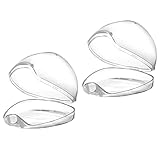
Keeps spare pacifiers cleaner in diaper bags, strollers, cars, and nursery drawers.
View on Amazon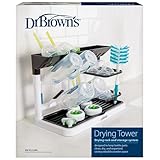
Helps bottles, pump parts, nipples, and small feeding pieces dry without taking over the counter.
View on AmazonFAQ
How many teethers does a baby actually need?
Most families do fine with a small rotation of three to five easy-clean teethers. That gives you one in use, one drying, one packed in the diaper bag, and a backup for fussy days.
Are freezer teethers better than regular silicone teethers?
They can help some babies because the cool surface feels soothing, but they should not be frozen rock-hard unless the manufacturer says that is safe. Many gel-free or water-filled options are meant for chilling only.
What should parents check on a pacifier clip?
Look for a short, sturdy clip made for infant use, smooth edges, secure stitching or beads, and clear age guidance. Pacifier clips should never be used during sleep.
Can teethers go in the dishwasher?
Some can, but not all. Check the care label first because wood, fabric, gel-filled, and multi-piece teethers often need hand washing or surface cleaning instead.
Disclosure: This post contains Amazon affiliate links. As an Amazon Associate, Baby Supply World may earn from qualifying purchases.
Safety note: This article is general shopping education. Follow manufacturer age guidance, safety instructions, recall notices, and your pediatrician’s advice for your child and home.