

Choosing a baby high chair feels straightforward until you’re staring at a wall of options with different price tags, folding mechanisms, and tray configurations. The good news: most families only need one, and the right one depends less on features and more on how your kitchen actually works. This guide breaks it down so you can make a confident call without second-guessing yourself at checkout.
What Matters Most When Choosing a Baby High Chair
- Adjustable height: A chair that grows with your baby — from infant recline to upright toddler seating — saves you money and shelf space long-term.
- Tray design: One-handed tray removal sounds minor until you’re holding a squirmy baby in the other arm every single meal. Look for a tray that actually comes off easily.
- Seat padding and cleaning: Padded seats are comfy, but foam padding soaks up pureed sweet potato like a sponge. Wipe-clean or dishwasher-safe seats are worth prioritizing.
- Footrest: An adjustable footrest helps older babies sit more comfortably and encourages better posture during meals.
- Harness: A five-point harness is the standard for safety — make sure it’s easy for an adult to buckle and unbuckle quickly without being loose enough for a determined toddler to wriggle out of.
- Compact or full-size: If your dining area is small or you travel frequently, a foldable high chair or portable clip-on seat may serve you better than a full-size model.
Safety and Everyday Use Considerations
High chair safety isn’t complicated, but it’s non-negotiable. Always use the harness — even for a 10-minute snack — since falls from high chairs are a common cause of preventable injuries in babies and toddlers. Make sure the chair has a wide, stable base with rubberized feet that won’t slide on hardwood or tile. Never leave a baby unattended in a high chair, and avoid placing the chair near countertops or tables where a curious baby might push off and tip.
For parents starting solids, look for a chair that reclines slightly for younger babies (around 4–6 months) who aren’t yet sitting fully upright on their own. A seat that transitions to a fully upright position as your baby develops keeps the chair useful through toddlerhood.
Check your specific model against current CPSC recall databases before purchasing — high chairs have an active recall history, and it’s worth a two-minute search.
Features Worth Comparing
Convertible vs. standalone: Some high chairs convert into booster seats or even toddler activity chairs, stretching the useful life well past the high chair stage. If you’re buying just one seat for multiple years of use, a convertible model often makes more financial sense.
Tray storage: A tray that hangs on the back of the chair when removed keeps it within reach without hogging counter space. Small detail — surprisingly useful.
Seat material: Fabric cushion inserts look cozy in photos and are miserable to clean in real life. Hard plastic or leatherette seats wipe down in seconds. If you want padding, look for a removable, machine-washable insert rather than built-in foam.
Assembly: Read a few reviews specifically about assembly before you buy. Some high chairs require 45 minutes and three adults; others are out of the box in under 10 minutes. If you’re doing this solo at midnight before a family visit, assembly complexity matters.
When a High Chair Makes Sense
Most families start needing a high chair somewhere between 4 and 6 months, when babies begin showing interest in solid foods and can sit with support. If you’re a frequent traveler or have a tiny kitchen, a travel booster seat that straps to a regular dining chair might be more practical than a full-size model. Grandparent households often do well with an affordable, compact option that folds flat for storage between visits.
If budget is tight, a solid mid-range convertible chair typically offers the best long-term value — you’ll use it through toddlerhood and often resell it in decent shape afterward.
Browse baby high chairs on Amazon →

Recommended baby supplies
As an Amazon Associate, Baby Supply World earns from qualifying purchases.


Keeps diapers, wipes, bottles, and small essentials separated so parents can find them fast.
View on Amazon
Useful on changing tables, in diaper stations, and anywhere wipes dry out too quickly.
View on Amazon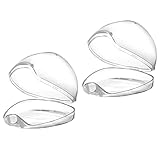
Keeps spare pacifiers cleaner in diaper bags, strollers, cars, and nursery drawers.
View on AmazonFrequently Asked Questions
When can my baby start using a high chair?
Most babies are ready for a high chair around 4 to 6 months, once they can hold their head up steadily and show interest in sitting upright. Many chairs include a reclining position for younger babies just starting solids. Always follow the manufacturer’s minimum weight and age guidelines for your specific model.
How long will my baby use a high chair?
Most children use a high chair from around 6 months until roughly 2 to 3 years old, when they transition to a booster seat or regular chair at the table. Convertible high chairs that shift to booster or toddler seating can stay useful until age 5 or beyond.
Are high chairs with fabric seats harder to clean?
Yes — significantly. Built-in fabric padding traps food, absorbs liquids, and is difficult to sanitize thoroughly. If you want cushioning, look for a chair with a removable, machine-washable pad rather than fixed upholstery. Hard plastic or leatherette surfaces wipe clean in a few seconds after every meal.
Do I need a five-point harness on a high chair?
Yes. A five-point harness (two shoulder straps, two hip straps, and a crotch strap) is the safest option and the current industry standard. It prevents a baby from slipping forward or climbing out. Some older or budget models use a three-point harness, which is less secure. Always use the harness, even for short meal times.
Can I use a clip-on high chair instead of a freestanding one?
Clip-on or hook-on high chairs attach directly to a table edge and work well for travel or small spaces. They’re generally safe for tables with a minimum thickness (check the specs), but not all tables are suitable — glass, pedestal, or leaf-extension tables typically aren’t safe for clip-ons. For home primary use, a freestanding chair offers more stability and versatility.
Disclosure: This post contains Amazon affiliate links. As an Amazon Associate, Baby Supply World may earn from qualifying purchases.
Note: This article is for general shopping education. Always follow manufacturer age guidance, safety instructions, product recalls, and consult your pediatrician for personalized advice.