

Baby food storage seems simple until the refrigerator fills with half-used jars, tiny containers, thawing cubes, bottle parts, bibs, spoons, and a parent trying to remember which puree was made on which day. The right containers and freezer trays will not make feeding magically clean, but they can make the routine calmer and reduce wasted food.
This guide focuses on practical storage gear for homemade baby food, daycare portions, snacks, and leftovers. The best setup is usually small, stackable, easy to label, and boring enough that you will actually use it every week.
What matters most
Start with your real feeding routine. A parent making one puree a week needs a different setup than a parent packing daycare meals every morning. Look for containers that solve the daily friction: portion size, leak control, freezer space, labeling, and cleanup.
- Portion sizes: Small containers and freezer tray cubes make more sense than large tubs when a baby is still eating small amounts.
- Leak resistance: Lids should seal cleanly, especially if containers travel in a diaper bag or daycare lunch tote.
- Stackability: Square or rectangular containers usually use refrigerator and freezer space better than round jars.
- Labeling space: A writable lid, date sticker, or reusable label helps you track what the food is and when it was prepared.
- Cleaning: Wide openings, fewer lid grooves, and dishwasher-safe parts are easier to live with after repeated use.
For a practical starting point, compare baby food storage containers and freezer trays on Amazon. Check container capacity, lid style, freezer compatibility, care instructions, and whether the set is meant for home prep, travel, or both.
Safety and everyday use considerations
Food storage gear needs to be used the way the manufacturer intends. Before buying, check whether the containers are designed for freezing, reheating, dishwasher cleaning, or microwave use. Heat, cold, and repeated washing can affect lids and seals differently depending on the material.
Keep small lids, seals, label pieces, and utensils away from babies when they are not being supervised. Containers are storage tools, not toys. For feeding safety, follow your pediatrician’s guidance on when to start solids, how to introduce textures, and how long prepared foods should be stored.
Features worth comparing
Most sets look tidy in photos, but the useful differences show up after a few weeks of meal prep.
- Freezer tray lid: A firm lid helps prevent freezer odors and makes trays easier to stack.
- Flexible tray base: Silicone trays can make frozen portions easier to pop out than rigid plastic trays.
- Container capacity: Two-ounce and four-ounce containers are more practical for early solids than oversized containers.
- Measurement marks: Marks on the side help with portioning, but only if they are easy to read after washing.
- Travel shape: Slim containers fit better in small cooler bags and daycare totes.
- Replacement lids: If a set has unique lids, losing one can make the container useless. Simple systems are easier to maintain.
Related Baby Supply World guides that pair naturally with feeding storage include baby feeding spoons, bowls, and silicone bib sets, portable bottle warmers and formula dispensers, and baby bottle drying racks and feeding station organizers.

When this item makes sense
Baby food storage containers and freezer trays make sense if you prepare homemade purees, portion soft foods ahead of time, pack daycare meals, freeze small leftovers, or want a cleaner way to manage snacks once feeding becomes part of the daily rhythm.
They may be unnecessary if you mostly use ready-to-serve jars and pouches, or if you prefer prepping food fresh at each meal. In that case, a few small containers may be enough for leftovers and outings.
A practical buying approach
Buy less than you think you need at first. One freezer tray, a small set of stackable containers, and a labeling method are enough to test the routine. If you find yourself prepping batches every weekend, add a second tray or more containers in the same system so everything stacks together.
The winning setup is the one that survives real life: quick to fill, easy to clean, clear in the fridge, and simple enough that another caregiver can understand it without a tour of the kitchen.
Recommended baby supplies
As an Amazon Associate, Baby Supply World earns from qualifying purchases.


Keeps diapers, wipes, bottles, and small essentials separated so parents can find them fast.
View on Amazon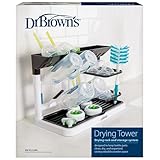
Helps bottles, pump parts, nipples, and small feeding pieces dry without taking over the counter.
View on Amazon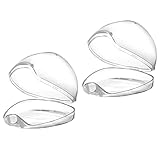
Keeps spare pacifiers cleaner in diaper bags, strollers, cars, and nursery drawers.
View on AmazonFAQ
Are baby food freezer trays worth buying?
They are useful if you prepare purees or small portions ahead of time because they freeze food in predictable serving sizes and make thawing easier.
Should baby food containers be glass or plastic?
Glass is durable and easy to clean, while lightweight plastic is convenient for travel. Either way, check that the product is intended for food storage and follow the manufacturer cleaning and temperature guidance.
How many baby food storage containers do parents need?
Many families can start with one freezer tray and six to twelve small containers, then add more only if they routinely prep several days of food at once.
Can baby food storage containers go in the dishwasher?
Some can, but not all lids, seals, and trays tolerate high heat. Read the care instructions before using the dishwasher, microwave, or freezer.
Disclosure: This post contains Amazon affiliate links. As an Amazon Associate, Baby Supply World may earn from qualifying purchases.
Safety note: This article is general shopping education. Follow manufacturer age guidance, safety instructions, recall notices, and your pediatrician’s advice for your child and home.