

Keeping baby bottles clean is one of those tasks that sounds simple until you’re elbow-deep in hot water at 2 a.m. A dedicated bottle sterilizer can cut that effort dramatically — but not all sterilizers work the same way, and the right one depends heavily on how you feed your baby. Here’s what parents actually need to know before picking one.
What Matters Most When Buying a Bottle Sterilizer
Sterilizers fall into a few main categories: electric steam sterilizers, microwave steam bags or baskets, UV sterilizers, and cold-water tablet systems. Each works differently and fits a different routine.
Electric steam sterilizers are the most popular for a reason — they’re fast (most cycles finish in 8–12 minutes), require nothing beyond a standard outlet, and typically hold 6–8 bottles plus accessories like nipples and pacifiers. If you’re exclusively bottle-feeding, this is usually the most efficient option.
Microwave sterilizers are the budget-friendly alternative. They use the same steam principle but leverage your existing microwave. They’re compact enough for small kitchens and travel, and cost a fraction of electric models. The catch: cycle time varies by microwave wattage, and they hold less at once.
UV sterilizers use ultraviolet light rather than heat or moisture. They’re popular among parents who want one device that handles bottles, breast pump parts, pacifiers, and sippy cups — and dries everything automatically with no condensation to deal with. They cost more upfront but cover more territory.
Safety and Everyday Use Considerations
Not every sterilizer is safe for every bottle type. Most standard steam sterilizers work fine with BPA-free plastic, glass, and silicone. Always check the manufacturer’s instructions for both your bottles and your sterilizer — some bottle brands have specific guidance.
Steam sterilizers get hot. The steam released when opening the lid can cause burns. Always allow a cool-down period, use oven mitts, and keep the unit on a stable heat-safe surface away from young children.
Sterilized items don’t stay sterile indefinitely. Bottles typically remain sterile for 24 hours if stored inside a closed sterilizer. Once opened or used, they’re no longer sterile — but they’re still clean in the way that matters for feeding. Don’t stress about perfect timing; the goal is eliminating harmful bacteria, not hospital-grade sterility.
Features Worth Comparing
Capacity: If you’re exclusively formula-feeding or building a breast milk supply, look for a sterilizer that holds 6 or more bottles at once. If you only use 2–4 bottles per day, a smaller unit saves counter space and energy.
Drying function: Some electric sterilizers include a built-in drying cycle, which prevents moisture buildup and the bacteria that can follow. It adds cost but removes a step from your routine.
Cycle time: Standard electric steam cycles run 8–12 minutes. UV models typically take 10–30 minutes depending on brand. Factor in how frequently you need a fresh batch throughout the day.
Ease of cleaning: The sterilizer itself needs descaling every few weeks, depending on water hardness. Models with removable trays and simple construction are far easier to maintain long-term.
Compatibility: Wide-neck bottles, oddly shaped breast pump parts, and large pacifiers don’t always fit standard tray layouts. Check that the sterilizer you’re considering works with your specific bottle brand before buying.
Browse top-rated baby bottle sterilizers on Amazon to compare capacity, cycle time, and drying options side by side.
When a Bottle Sterilizer Makes Sense
If your baby is under 3 months old, was born premature, or has a compromised immune system, pediatricians typically recommend sterilizing feeding equipment for the first several months. After that, thorough washing with hot soapy water is generally sufficient for healthy, full-term babies — but many parents continue sterilizing for peace of mind.
Even after bottle-feeding ends, a sterilizer earns its place. Pacifiers, teething toys, and breast pump parts that regularly contact milk all benefit from periodic sterilization. Many parents find the device useful well into the toddler stage.
If you travel frequently, a microwave steam bag or compact electric sterilizer is worth having. Hotel sinks and unfamiliar kitchens don’t replace a proper sterilization method, and peace of mind is worth the space in your bag.
Recommended baby supplies
As an Amazon Associate, Baby Supply World earns from qualifying purchases.

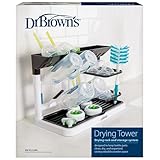
Helps bottles, pump parts, nipples, and small feeding pieces dry without taking over the counter.
View on Amazon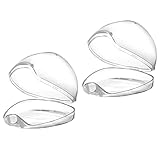
Keeps spare pacifiers cleaner in diaper bags, strollers, cars, and nursery drawers.
View on Amazon
A compact option for teething, sensory play, stroller bags, and baby gift lists.
View on AmazonFrequently Asked Questions
How often should I sterilize baby bottles?
For newborns and infants under 3 months, sterilize before each use or at minimum once daily. For older, healthy babies, most pediatricians say thorough washing is sufficient — though sterilizing after illness is a good habit at any age.
Can I use a regular dishwasher instead of a sterilizer?
Dishwashers clean bottles effectively but don’t technically sterilize them — most don’t sustain temperatures high enough. Some dishwashers include a “sanitize” cycle that comes close. For newborns or immune-compromised infants, a dedicated sterilizer is more reliable.
Do I need a sterilizer with a drying function?
Not required, but helpful. Without one, bottles should be air-dried on a clean rack before use. Storing wet bottles after sterilization can allow bacteria to reintroduce themselves, so this step matters.
Are UV sterilizers better than steam sterilizers?
Both are effective at eliminating bacteria. UV is better for heat-sensitive items and leaves no moisture behind. Steam is faster, less expensive, and handles higher volumes at once. The best choice depends on your feeding routine and budget.
How do I clean a baby bottle sterilizer?
Descale every 2–4 weeks using a white vinegar and water solution, or a citric acid product. Wipe the interior and removable trays with a damp cloth after each use. Mineral buildup reduces heating efficiency and can leave residue on bottles over time.


Disclosure: This post contains Amazon affiliate links. As an Amazon Associate, Baby Supply World may earn from qualifying purchases.
This article is intended as general shopping education only. Always follow the manufacturer’s age guidance, safety instructions, and recall notices for any baby product. Consult your pediatrician for feeding and health advice specific to your child.