

Bottle cleaning gear is one of those baby purchases that looks simple until the counter fills up with nipples, rings, pacifiers, pump valves, caps, and tiny parts that roll under everything. A good sterilizer and drying rack setup does not need to be fancy, but it does need to fit your real routine.
The best choice depends on how you feed, how often you pump, how much counter space you can give up, and whether you want a dedicated steam sterilizer or a simpler drying station next to the sink. Here is what I would compare before adding one to a registry or buying it during the newborn blur.
What matters most
Start with capacity. A small sterilizer can be fine for one or two bottles a day, but it gets annoying fast if you are washing pump parts after every session. Count the actual pieces you clean, not just the number of bottles. Nipples, collars, caps, pacifiers, silicone teethers, and pump parts all compete for space.
Next, look at the workflow. Some parents want a steam sterilizer with a drying cycle because it lets them load cleaned items and walk away. Others only need a roomy rack with good airflow because the dishwasher or hand-washing routine already handles the cleaning. Neither approach is automatically better; the better one is the one you will keep using at 2 a.m.
- Capacity for bottles plus small parts
- A removable tray that is easy to wash
- Vertical posts or branches that keep nipples and collars separated
- A footprint that fits your counter without blocking food prep
- Clear guidance on which bottle and pump parts are compatible
Safety and everyday use considerations
Sterilizing starts after washing. Steam cannot do its job well if milk residue is still sitting inside a nipple or bottle collar. Wash first, rinse well, then use the sterilizer according to the manual. If a part is not labeled as safe for steam, high heat, or the dishwasher, do not guess.
Heat is the other practical issue. Steam sterilizers can leave items hot enough to surprise you, especially metal clips or dense plastic pieces. Give the cycle time to finish, let parts cool, and keep cords away from sink water and curious toddler hands.
For drying racks, the big risk is stagnant water. A pretty rack that traps puddles in the base can turn into extra cleaning work. Look for drainage, removable parts, and enough spacing that air can move around nipples and valves.
Features worth comparing
The useful features are boring in the best way. You want easy cleaning, predictable cycles, and parts that do not require a puzzle-solving session every time you unload them.
- Steam-only vs. steam-and-dry cycles
- Cycle time and whether the unit shuts off automatically
- Rack layout for narrow-neck and wide-neck bottles
- Separate basket space for nipples, pacifiers, and pump valves
- Whether the base needs distilled water in hard-water areas
- How easily the drying tray comes apart for washing
If you are comparing options, this is a natural place to shop baby bottle sterilizers and drying racks on Amazon and check dimensions against your counter before buying.
When this setup makes sense
A sterilizer and drying rack setup makes the most sense when bottles or pump parts are part of your daily life. It is also a strong registry pick because it supports a routine parents repeat several times a day. For occasional bottle use, a simpler rack may be enough.
Exclusive pumping, combo feeding, daycare bottle prep, twins, and small kitchens all push the decision toward a more organized system. If you are already using a diaper caddy, drawer organizers, or a dedicated feeding shelf, the bottle station should fit into that same idea: less hunting, less clutter, fewer half-dry parts scattered around the sink.
Counter-space reality check
Measure before you buy. Product photos rarely show how much room a sterilizer needs once the lid opens or how far a drying rack spreads when it is loaded. If your kitchen counter is tight, a taller rack may work better than a wide grass-style mat. If you have cabinets above the counter, check height too.
Also think about where clean items go next. A drying rack beside the sink is helpful only if there is a clean drawer, bin, or cabinet nearby for finished parts. Otherwise the rack becomes permanent storage, and clean items sit exposed longer than they need to.
Related Baby Supply World guides
If you are building out a practical feeding station, pair this purchase with the site guides on portable baby feeding supplies, toddler snack cups, and baby drawer organizers. Those categories overlap in real homes: bottles, bibs, burp cloths, labels, and travel containers usually end up sharing the same drawers and bags.

Recommended baby supplies
As an Amazon Associate, Baby Supply World earns from qualifying purchases.

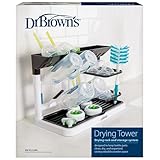
Helps bottles, pump parts, nipples, and small feeding pieces dry without taking over the counter.
View on Amazon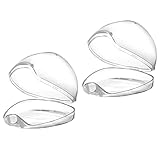
Keeps spare pacifiers cleaner in diaper bags, strollers, cars, and nursery drawers.
View on Amazon
Keeps diapers, wipes, bottles, and small essentials separated so parents can find them fast.
View on AmazonFAQ
Do all parents need a baby bottle sterilizer?
Not always. Some families can clean bottles well with hot soapy water and a dishwasher-safe routine. A sterilizer makes more sense when you want a dedicated process, have limited dishwasher space, use pump parts often, or your pediatrician recommends extra care.
Is steam sterilizing the same as washing?
No. Washing removes milk residue and grime first. Steam sterilizing is a separate step for cleaned items, so bottles and nipples should not go into a sterilizer with formula, breast milk, or soap film still on them.
What size drying rack works best for bottles and pump parts?
Choose by the number of bottles, nipples, valves, caps, and pump pieces you wash in a normal day. A compact rack is fine for occasional bottles, while exclusive pumping or twins usually need more space and better airflow.
How often should drying racks be cleaned?
Clean the tray and removable pieces often enough that water does not sit and get cloudy. If you see film, lint, or mineral buildup, wash and dry the rack before loading clean baby items again.
Disclosure: This post contains Amazon affiliate links. As an Amazon Associate, Baby Supply World may earn from qualifying purchases.
Safety note: This article is general shopping education. Always follow the manufacturer age guidance, cleaning instructions, safety warnings, recall notices, and your pediatrician’s advice for your child.