

A booster seat sounds simple until you try to use one three times a day. It has to fit your dining chair, hold steady through wiggly meals, clean quickly after yogurt and pasta sauce, and give your toddler enough height to eat comfortably with the family.
The best baby booster seat is not always the most padded one or the one with the biggest tray. For everyday dining, parents usually get more value from a seat that installs tightly, wipes down fast, and does not turn every chair into a complicated project.
What matters most
Start with fit. A booster seat should sit flat on the dining chair, and the straps should wrap securely around the chair back and seat base. If your chairs are curved, narrow, upholstered, or unusually tall, check the product measurements before buying.
- Chair compatibility: Look at the minimum chair size, back height, and whether the booster works on cushioned or contoured seats.
- Harness style: A three-point harness is common for younger toddlers, while older children may only need the chair straps and a stable raised seat.
- Cleaning: Smooth plastic usually cleans faster than deep seams, fabric pads, and removable covers that need machine washing.
- Tray options: A removable tray helps younger eaters. Older toddlers may prefer sitting right at the table.
- Portability: Fold-flat seats and carry handles matter if you plan to use the booster at grandparents’ houses or restaurants.
For a quick comparison set, compare baby booster seats for dining chairs on Amazon. Pay close attention to the age, weight, chair-fit, and harness details before you pick one.
Safety and everyday use considerations
A booster seat should never feel loose, tilted, or easy to slide. Before the first meal, install it on the exact chair you plan to use, tighten every strap, and give it a firm pull from a few directions. If the chair itself tips easily, choose a different chair.
Use the harness and chair straps exactly as the manufacturer describes. Do not place a booster seat on stools, benches, folding chairs, high-top chairs, or any chair the product instructions exclude. Toddlers can push against tables with surprising force, so keep the chair positioned where it cannot tip backward.
Also think about cleanup. A seat that feels secure but takes fifteen minutes to scrub may not be the one you reach for every day. Food gets under trays, around buckles, along side rails, and into textured padding. If you have a messy eater, simpler is usually better.
Features worth comparing
Booster seats split into a few practical categories. Hard plastic boosters are easy to wipe and often work well for home meals. Padded boosters can feel more comfortable, but they need more cleaning. Travel boosters fold small and save space, though they may not feel as sturdy as a full dining booster.
- Adjustable height: Helpful if your table is thick, your chairs sit low, or siblings use the same seat at different stages.
- Removable tray: Useful for self-feeding practice, snacks, and meals before a toddler is ready to sit close to the table.
- Dishwasher-safe tray insert: Nice when meals are saucy, sticky, or frequent.
- Non-slip base: Helps reduce sliding, especially on smooth wood chairs.
- Compact storage: Worth it if you need the dining chair back for adults after meals.
Related Baby Supply World guides that pair well with this purchase: toddler snack cups and on-the-go feeding gear, portable baby feeding supplies, and drawer organizers and diaper caddies.

When a booster seat makes sense
A booster seat makes sense when your child has outgrown the high chair stage but still sits too low at the dining table. It is also useful for small kitchens where a full high chair takes up too much floor space.
It may not be the right next step if your child cannot sit steadily, keeps trying to climb out, or needs more support than a booster provides. In that case, a high chair or toddler feeding chair with stronger side support may be a better fit for now.
A simple buying checklist
Measure one dining chair before you shop. Check the chair back, seat width, and seat depth. Decide whether you need a tray, whether the seat will travel, and how much cleaning you can tolerate after every meal. Then look at weight limits and age guidance.
If two models look similar, choose the one with clearer installation instructions and fewer places for food to hide. That is the seat you are more likely to use correctly on an ordinary Tuesday morning.
Recommended baby supplies
As an Amazon Associate, Baby Supply World earns from qualifying purchases.


Keeps diapers, wipes, bottles, and small essentials separated so parents can find them fast.
View on Amazon
Useful on changing tables, in diaper stations, and anywhere wipes dry out too quickly.
View on Amazon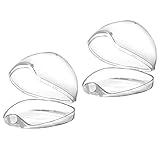
Keeps spare pacifiers cleaner in diaper bags, strollers, cars, and nursery drawers.
View on AmazonFAQ
When can a baby use a booster seat at the table?
Follow the manufacturer’s age, weight, and developmental guidance. Many booster seats are intended for babies or toddlers who can sit upright well, but the exact timing depends on the product and your child.
Is a booster seat safer than a high chair?
Neither is automatically safer in every situation. A properly used high chair may be better for younger babies, while a correctly installed booster can work well for older babies or toddlers who meet the product requirements.
Do I need a booster seat with a tray?
A tray is helpful for younger eaters, snacks, and messy meals. If your child is ready to eat directly at the table, a removable tray or tray-free booster may be easier to live with.
Can I use a booster seat on any dining chair?
No. Booster seats have chair-fit requirements. Avoid chairs that are unstable, too small, too curved, heavily padded, folding, backless, or specifically excluded by the instructions.
What is easiest to clean?
Smooth plastic seats with removable trays are usually easiest. Fabric cushions, stitched seams, and textured padding can be comfortable, but they collect crumbs and spills faster.
Disclosure: This post contains Amazon affiliate links. As an Amazon Associate, Baby Supply World may earn from qualifying purchases.
Safety note: This article is general shopping education. Follow manufacturer age guidance, safety instructions, recall notices, and your pediatrician’s advice for your child and home.