

A good bib looks simple until you use it three times a day. Then the little details start to matter: how it closes, whether food rolls off the pocket, how fast it dries, and whether your baby can yank it off before the first spoonful lands.
This guide focuses on everyday baby bibs and feeding smocks for real meals, teething drool, daycare bags, and travel. You don’t need a drawer full of every style. You need the right few for the stage your baby is in now, plus one or two backups that won’t make laundry feel endless.
What matters most
Start with the mess you are trying to solve. Drool bibs are usually soft, small, and easy to swap. Mealtime bibs need more coverage and a surface that wipes clean. Feeding smocks are best when your baby is learning finger foods, painting the tray with yogurt, or wearing long sleeves you actually want to keep clean.
- Coverage: A narrow bandana bib helps with drool, but it won’t protect a shirt during pasta night. For meals, look for wider chest coverage or sleeves.
- Closure: Snaps tend to stay put better than weak hook-and-loop tabs. Adjustable neck sizing helps the bib last longer.
- Cleaning: Silicone wipes quickly, cotton feels softer, and waterproof fabric can be a good middle ground if it dries fast.
- Comfort: Stiff neck openings, scratchy seams, and heavy pockets are the little things that make babies fight bibs.
- Packability: Travel bibs should fold small, rinse out easily, and not hold yesterday’s snack smell.
If you’re building out the feeding corner, it also helps to think about drying and storage. Baby Supply World has a related guide to baby bottle drying racks and feeding station organizers, which pairs naturally with bibs that need to air-dry between meals.
Safety and everyday use considerations
Use bibs only when your child is awake and supervised. Remove bibs before naps, bedtime, and car seat rides. Any product that sits near a baby’s neck deserves a quick check for loose snaps, stretched ties, cracked silicone, or fraying fabric.
For younger babies, keep the neck fit snug enough that food doesn’t slide underneath, but not tight. For toddlers, watch for bibs they can pull into their mouth or twist around. If a bib has a pocket, make sure it doesn’t press into the belly when your child sits in a high chair.
Cleaning matters too. Milk, purees, and fruit can sour quickly in fabric seams. If a bib smells after washing, stains deeply, or the waterproof backing starts peeling, it’s time to replace it.
Features worth comparing
Silicone bibs are popular for a reason: they rinse fast, many have sturdy food-catching pockets, and they don’t require a full wash cycle after every meal. The tradeoff is bulk. Some babies dislike the weight or the cool feel against the neck.
Cloth bibs are softer and better for drool, bottles, and quick changes during the day. Look for absorbent layers and snaps that don’t rust or pull through the fabric. For meal use, cloth usually means more laundry, so a multipack makes sense.
Feeding smocks give the most protection. They are useful for baby-led weaning, daycare art projects, and toddlers who insist on feeding themselves. Compare sleeve length, cuff softness, waterproofing, and whether the smock closes in the back without a fight.
For a quick look at current options, you can browse baby bibs and feeding smocks on Amazon. Use the product photos to check neck shape, pocket depth, sleeve coverage, and how the bib sits on a child in a high chair.


When baby bibs and feeding smocks make sense
For newborns and young infants, soft cotton or muslin bibs are usually enough. They catch milk dribbles and spit-up without adding stiffness around the neck. Keep several near the feeding chair and in the diaper bag, because they disappear into laundry fast.
Once your baby starts solids, add two or three wipe-clean meal bibs. This is the stage where pocket shape matters. A floppy pocket that collapses against the shirt won’t catch much. A deeper silicone pocket can save you from wiping the high chair straps after every meal.
For toddlers, feeding smocks earn their space if meals are messy or your child eats at daycare. They are also useful during travel. Pair one with a snack cup or compact placemat, and you can handle restaurant meals with less stress. For more on that setup, see our guide to baby travel snack cups and on-the-go feeding gear.
Recommended baby supplies
As an Amazon Associate, Baby Supply World earns from qualifying purchases.


Keeps diapers, wipes, bottles, and small essentials separated so parents can find them fast.
View on Amazon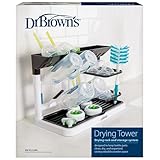
Helps bottles, pump parts, nipples, and small feeding pieces dry without taking over the counter.
View on Amazon

Keeps tiny laundry, blankets, bibs, and nursery clutter from spreading across the room.
View on AmazonFAQ
How many baby bibs do parents need?
For drool and bottle feeding, six to ten soft bibs is a comfortable range. For solids, two or three wipe-clean bibs may be enough if you rinse them after meals.
Are silicone bibs better than cloth bibs?
Silicone is better for messy meals because it wipes clean and often has a stronger pocket. Cloth is better for comfort, drool, and quick daytime changes.
When should I use a feeding smock instead of a bib?
Use a feeding smock when your baby is self-feeding, eating saucy foods, wearing long sleeves, or doing messy daycare activities. It gives more coverage than a standard bib.
Can babies sleep in bibs?
No. Remove bibs before sleep, naps, and car seat rides. Bibs should be used only when your child is awake and supervised.
What is the easiest bib type to clean?
Silicone bibs are usually the easiest for meals because you can rinse or wipe them. Waterproof fabric bibs can also work well if they dry quickly and don’t trap food in seams.
Disclosure: This post contains Amazon affiliate links. As an Amazon Associate, Baby Supply World may earn from qualifying purchases.
Safety note: This article is general shopping education. Always follow manufacturer age guidance, safety instructions, recall notices, and your pediatrician’s advice for your child.