

Bath-time supplies are easy to buy one at a time, but the best choices work together: a towel that dries without dragging, washcloths that can be washed often, a kneeler that fits the adult’s position, and a rinse cup that is easy to control. The right combination depends on the room, the child’s stage, laundry routine, and the maker’s care instructions.
This guide compares baby bath towels, washcloths, bath kneelers, and rinsing accessories by fit, cleaning, storage, and everyday use. These products support a caregiver; they do not make bathing hands-free or replace direct supervision.
Start with the bath space and routine
Measure the area around the tub or sink before buying. A large hooded towel can be cozy but awkward to hang in a small bathroom. A compact stack of washcloths may be more useful than a large set if laundry is frequent. A kneeler needs a stable, dry place to rest and enough room for the caregiver to change position without blocking an exit.
Think through the whole sequence: where clean items wait, where wet items drain, and where each item dries between uses. Choose washable supplies that can be separated from damp bath toys or dirty laundry. A product that is difficult to dry is a poor fit even if it feels soft on the first day.
Compare baby bath towels, washcloths, kneelers, and rinse cups on Amazon after checking dimensions, materials, care labels, and the intended age or use.
Baby bath towels: size, absorbency, and drying
Compare a towel’s finished size, thickness, edge construction, hood shape, and loop for hanging. A hood can help keep a towel in place while a caregiver wraps a child, but it should not be treated as a safety feature. The towel still needs to be held and adjusted by an adult.
Absorbency is only part of the decision. Dense terry may feel plush but take longer to dry, while a lighter towel may be easier to launder and store. Look for stitching that lies flat and inspect seams after washing. Avoid loose threads, unraveling loops, or trim that could detach. Keep a second towel available so a damp one does not stay in rotation.
Washcloths: texture, quantity, and hygiene
Washcloths are useful for gentle washing, wiping spills, and keeping a clean item within reach. Compare the weave, size, edge finish, and how many cloths the household can wash regularly. A smooth, soft cloth may suit routine washing, while a textured cloth can hold more water; neither should be scrubbed hard against delicate skin.
Rinse cloths thoroughly after use, wring them out, and hang them where air can circulate. Follow the care label for washing temperature, detergent, bleach, and drying. Do not share a visibly soiled cloth between children, and retire cloths with persistent odor, mildew, roughened fibers, or damaged seams. Product packaging that says “natural” or “organic” does not replace checking the actual fiber and care instructions.
Bath kneelers: adult comfort and stable placement
A bath kneeler is for the caregiver’s knees, not for a child to sit or stand on. Compare its length, thickness, grip, water resistance, handle, and storage method. A kneeler that folds or hangs can be easier to dry, but its hinge or strap should not create a loose piece within a child’s reach.
Place it on a clear, dry floor area and check that it does not slide when the caregiver shifts weight. Do not use it to prop a child, block a doorway, or create a step. If the cover becomes saturated, wash or dry it according to the maker’s directions before storing it. A kneeler with a cracked foam core, torn cover, or damaged grip should be replaced.
Rinse cups and other bathing accessories
A rinse cup should be easy for the caregiver to hold and pour without sudden tipping. Compare the handle, spout, capacity, grip, and whether the cup comes apart for cleaning. A smaller cup can offer more control; a larger cup may mean fewer refills but can be heavier when full.
Keep the cup within the adult’s reach, not where a child can pull it down. Empty it after use and let it dry fully. Clean crevices, seams, and any removable insert according to the manual. Never use a cup, bath thermometer, or other accessory as a reason to leave a child alone near water. The baby bath tubs and bath thermometers guide covers bath-support products separately.
Age and stage considerations
Newborn and young-infant bathing routines may use smaller towels and a gentle cloth that is easy to control with one hand. As a child grows, a larger towel may wrap more securely around the body, while a mobile child may make storage and reachability more important. Follow the exact instructions for the bath seat, tub, sink insert, or other bathing equipment being used; towels and cups do not change its age limits.
As soon as a child can reach a counter or pull on an item, move bath supplies out of reach before filling the tub. Keep cords, cleaners, razors, hot water, and unsecured accessories away from the bathing area. A towel should be ready before bathing starts so the caregiver does not need to step away to retrieve one.
Cleaning and fit checks
Read the care label before the first wash. Wash new textiles as directed, separate colors when needed, and avoid fabric softener if the maker warns that it reduces absorbency or affects the fibers. Dry towels and cloths completely before folding. Do not store damp textiles in a closed bin.
Inspect every item at regular intervals. Check towel seams and loops, washcloth edges, kneeler grip and cover, and cup handles and spouts. Stop using an item that sheds fibers, develops mold, cracks, splits, or has a part that can detach. Keep the product’s model information and care instructions in case the manufacturer issues a correction.
Manufacturer guidance and recalls
Before relying on a bath accessory, read its current instructions and register it with the manufacturer when available. Search the U.S. Consumer Product Safety Commission recall database using the exact product name or model. A notice may apply to a specific batch, seam, coating, attachment, or accessory rather than every similar item.
If a maker or regulator says to stop using a product, follow that notice instead of improvising a repair. Do not sew a failed safety attachment back on, use a damaged kneeler as a mat, or keep a cracked cup in service. The product manual and current recall notice take priority over a general comparison.

Which bath accessories fit your routine?
Choose towels that dry well in your space, enough washcloths to keep clean ones available, a kneeler that stays stable for the adult, and a rinse cup that can be controlled with one hand. Prioritize simple cleaning and complete drying over decorative features. Keep every item within the caregiver’s reach during the bath, but out of a child’s reach when the adult is not actively using it.
The nursery cleaning-supplies guide offers related storage and cleaning considerations. For bath equipment, the safest setup is the one that follows the exact product instructions and keeps an attentive adult within arm’s reach throughout the bath.
Recommended baby supplies
As an Amazon Associate, Baby Supply World earns from qualifying purchases.


Good for comparing newborn support, cleaning, storage, and toddler transition features.
View on Amazon

Keeps tiny laundry, blankets, bibs, and nursery clutter from spreading across the room.
View on Amazon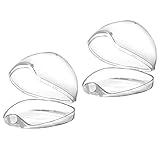
Keeps spare pacifiers cleaner in diaper bags, strollers, cars, and nursery drawers.
View on AmazonFAQ
How many baby bath towels and washcloths do I need?
Choose enough for your normal laundry rhythm, with at least one clean towel ready before bathing begins and extra washcloths available if the first one becomes soiled. The useful number depends on how often you bathe, wash, and dry them.
Can a bath kneeler be used as a seat or step for a child?
No. A bath kneeler is designed to cushion the caregiver’s knees. Use it only as directed, keep it stable and dry, and never use it to support, elevate, or restrain a child.
How should baby bath towels and washcloths be cleaned?
Follow each item’s care label, rinse and dry textiles completely, and avoid products the maker says can damage fibers or reduce absorbency. Do not store them damp, and replace items with mildew, persistent odor, loose threads, or damaged seams.
Are bath rinse cups safe for babies?
A rinse cup is only a caregiver-held bathing accessory, not a safety device. Keep it controlled and out of reach, follow its cleaning instructions, and never leave a child alone near water while retrieving or using it.
Disclosure: This post contains Amazon affiliate links. As an Amazon Associate, Baby Supply World may earn from qualifying purchases.
Safety note: This article is general shopping education, not medical advice or a substitute for direct supervision. Never leave a child alone near water, keep bath supplies and hazards out of reach, follow the exact manufacturer instructions, and stop using damaged or recalled products.